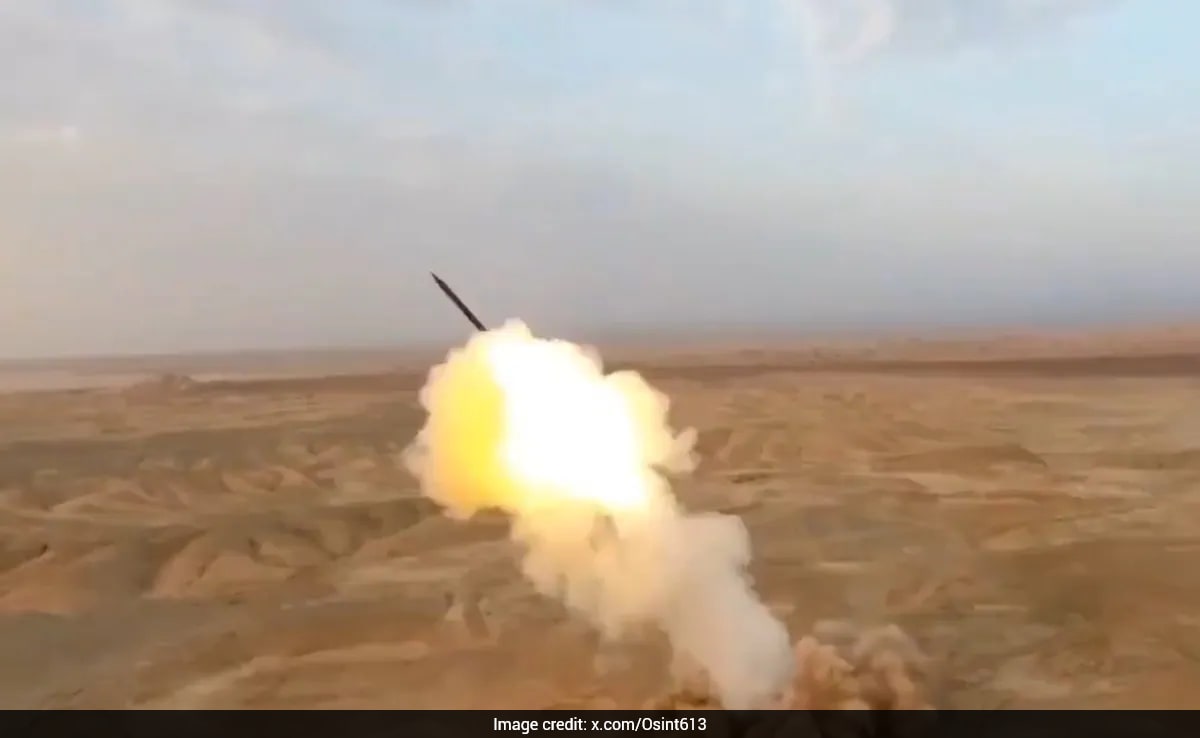
The security architecture of the Middle East has shifted from a state of managed instability to an era of high-kinetic volatility. As of March 2026, the traditional metric of "danger" is no longer a binary of war or peace, but a complex function of three critical variables: Kinetic Proximity, Institutional Resilience, and Supply Chain Fragility. To assess the threat level of any given nation in the region, one must look past the headlines and analyze the structural integrity of its borders and the redundancy of its infrastructure.
The current escalation following the February 28 strikes on Iranian infrastructure has created a tiered risk environment where safety is inversely proportional to a nation’s involvement in the "Strait of Hormuz Chokepoint." The resulting closure of this maritime artery has transformed previously "safe" economic hubs into high-risk zones due to retaliatory potential and logistical paralysis. Meanwhile, you can read related events here: The Cold Truth About Russias Crumbling Power Grid.
The Three Pillars of Regional Volatility
Security in the Middle East is governed by a causal loop between internal governance and external proxy influence. The following framework defines the current threat vectors:
- The Kinetic Front (Active Combat Zones): Regions where the state has lost the monopoly on violence, and conflict is the primary driver of mortality and infrastructure decay.
- The Retaliatory Radius (Strategic Targets): Sovereign states with stable internal governance that are nonetheless vulnerable to asymmetric strikes (missiles, drones, or cyber operations) due to their geopolitical alignment.
- The Institutional Buffer (Stability Zones): Nations that maintain high security through robust policing and diplomatic neutrality, yet face the "Cost of Friction"—economic inflation and restricted mobility.
Tier 1: The Zones of Total Kinetic Displacement
Risk Level: Extreme (Level 4 - Do Not Travel) To see the complete picture, we recommend the excellent report by Associated Press.
In these territories, the cost of entry is the near-total abandonment of consular protection. The threat is not merely terrorism but the systematic collapse of civilian safety nets.
Yemen and the Humanitarian Deficit
Yemen remains the most dangerous geography in the 2026 index. Danger here is a function of the Humanitarian Multiplier: the lack of food security and medical infrastructure compounds the risk of active combat. While Houthi-controlled areas maintain a declared posture of maritime aggression, the internal state is one of fractured control.
Lebanon: The New Kinetic Frontline
Following the March 2026 escalation, Lebanon has transitioned from a state of political gridlock to an active warzone. The Israeli ground offensive south of the Litani River and strikes on Beirut's southern suburbs have triggered a mass displacement of over 83,000 people.
- Cause: The collapse of the "Axis of Resistance" deterrence paradigm.
- Effect: A complete suspension of routine consular services and a 90% reduction in operations at Beirut-Rafic Hariri Airport.
Iran: The Epicenter of Kinetic Targeting
Following U.S. and Israeli strikes on military and nuclear infrastructure, Iran is currently the primary target of state-level military operations. The threat here is defined by high-intensity conventional strikes and the high probability of being caught in the crossfire of retaliatory sorties.
Tier 2: The High-Friction Buffer States
Risk Level: High (Level 3 - Reconsider Travel)
This tier includes nations that were previously seen as safe havens but are now experiencing "Security Spillovers."
The Gulf Monarchy Paradox (UAE, Qatar, Bahrain, Kuwait)
The 2026 security climate has disrupted the "safe hub" status of Dubai and Doha. While internal crime remains negligible, these nations are now within the Retaliatory Radius.
- The Hormuz Bottleneck: The IRGC's declaration of control over the Strait of Hormuz on March 4 has stranded at least 200 vessels.
- Insurance Evasion: Major insurers have cancelled war-risk cover for the Persian Gulf, making travel to these hubs a significant financial and physical risk.
- Threat Mechanism: Iran’s retaliatory strikes have hit targets across the UAE, Qatar, and Bahrain, leading to the U.S. State Department ordering the evacuation of non-emergency personnel as of March 6.
Jordan: The Geographic Squeeze
Jordan has been elevated to Level 3. Its danger level is a direct result of its position between active fronts in Israel/Lebanon and Iraq. The risk is primarily Airspace Contestedness, where commercial flight paths intersect with interceptor missile trajectories.
Tier 3: The Resilient Periphery
Risk Level: Moderate (Level 2 - Exercise Increased Caution)
These countries demonstrate that Institutional Resilience can mitigate regional chaos.
Egypt: The Taba Alternative
Despite the regional firestorm, Egypt maintains a Level 2 status. It serves as the primary Exit Corridor for those fleeing the Levant.
- Strategic Action: The land crossing at Taba is currently the most reliable route out of Israel, operating 24 hours a day.
- Operational Note: Travelers are required to carry cash ($85 USD minimum) as ATMs at the border are notoriously unreliable during surges.
Türkiye: The Buffer Presence
Türkiye remains stable but is categorized by Political Risk in its border regions. Its "buffer zone" strategy in northern Syria and Iraq has developed into a permanent administrative presence, which risks a direct confrontation with the new Syrian National Army. For the average traveler, the danger is concentrated in the southeast, while Istanbul and the western coast operate with near-total normalcy.
The Cost Function of Modern Conflict
The danger of the Middle East in 2026 is not just physical; it is operational. The "Danger Level" is increasingly defined by the Information Asymmetry regarding travel disruptions.
- Airspace Fragmentation: Airspace over Iran, Iraq, Israel, Syria, Qatar, Bahrain, and Kuwait is either closed or heavily restricted. This forces long-haul routes between Europe and Asia into technical stops and unpredictable delays.
- The Cyber Surge: Parallel to physical strikes, there is a documented spike in "wiper malware" and DDoS attacks targeting aviation and energy infrastructure in the Gulf. The NCSC has identified a "heightened risk of indirect cyber threat" for any business operating in the region.
- Oil Price Correlation: Security risk is currently pegged to Brent crude prices, which surged from $75 to over $85 per barrel in the first week of March 2026. This is a lead indicator of imminent transport cost spikes and potential civil unrest in energy-dependent nations.
Strategic recommendation for 2026 travel and operations
The current data dictates a strategy of Aggressive Diversification. Organizations and individuals must treat the entire Persian Gulf as a single risk entity until the Strait of Hormuz is re-opened and war-risk insurance is reinstated.
Avoid all transits through Doha and Dubai for the next 14 days, as these hubs currently possess the highest density of stranded travelers and the highest probability of technical flight cancellations. Shift all logistics and personnel extraction toward the Western Corridor (Cairo and Istanbul), which remains the only reliable institutional buffer against the kinetic escalation in the east. If movement within the Tier 2 zone is unavoidable, verify that your insurance policy includes a specific Crisis Management rider; standard policies will almost certainly invoke the "War Exclusion" clause given the current formal declarations of conflict.