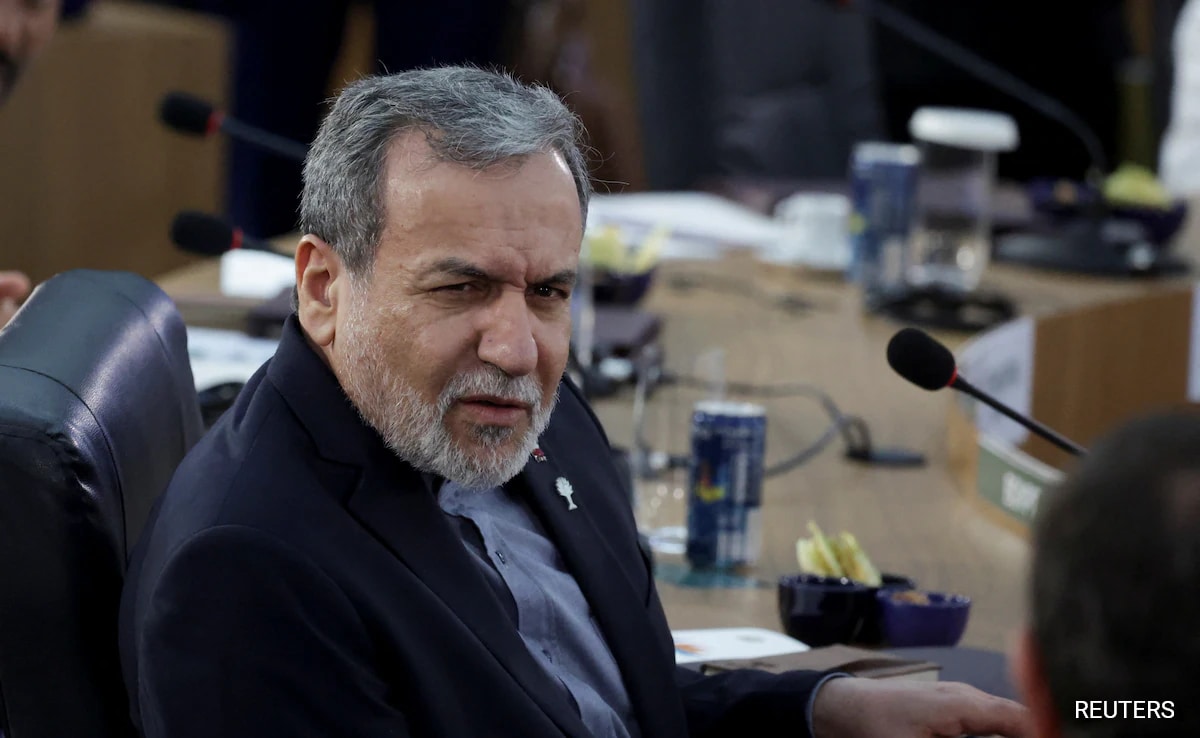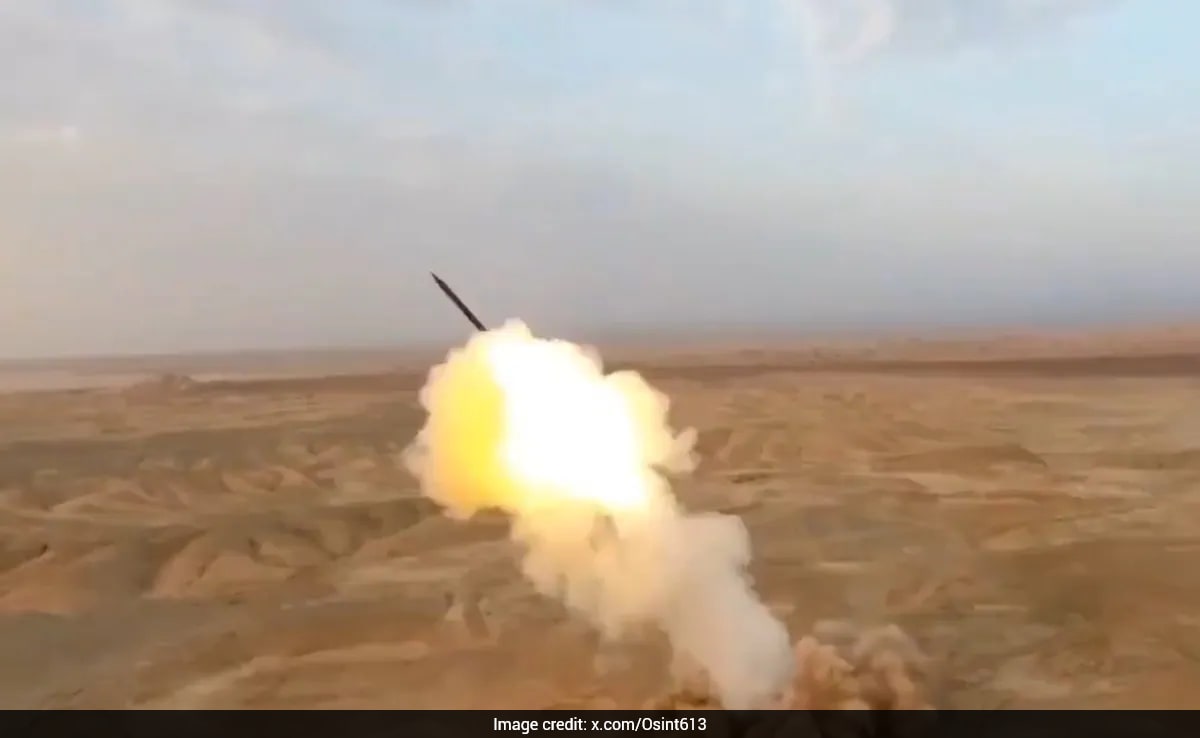
The sequence of events was as calculated as it was jarring. Only hours after the Iranian President offered a public apology—an rare admission of internal failure meant to quell domestic unrest—the regime shifted its gaze outward. The subsequent warning issued to its neighbors was not a coincidence. It was a strategic pivot. By threatening regional actors, Tehran attempted to export its internal volatility, signaling that any attempt to capitalize on its domestic fragility would be met with disproportionate force. This is the reality of the Middle Eastern chessboard. A single gesture of contrition is almost always followed by a show of iron-fisted resolve to ensure that "softness" is not mistaken for "weakness."
The Anatomy of the Strategic Pivot
Tehran operates on a dual-track system of governance that often baffles outsiders. On one side, you have the elective presidency, which handles the optics of bureaucracy and public sentiment. On the other, the permanent security apparatus and the Supreme Leader’s office dictate the actual movement of missiles and money. When the President apologizes, he is speaking to the streets. When the military issues a warning to the neighbors, they are speaking to the Pentagon and the intelligence hubs in Riyadh and Tel Aviv.
The core of the recent warning lies in the concept of strategic depth. Iran perceives its borders not as lines on a map, but as the inner ring of a much larger defensive perimeter that includes Iraq, Lebanon, Syria, and Yemen. Any perceived interference in Iranian internal affairs by neighboring states is viewed as a breach of this perimeter. The warning serves as a preemptive strike against the "gray zone" tactics—cyber warfare, intelligence gathering, and support for dissidents—that Iran’s rivals use to keep the regime off balance.
Why the Apology Triggered the Threat
History shows us that the Iranian regime is most dangerous when it feels cornered at home. The apology offered by the President was a response to systemic failures—likely economic mismanagement or a specific security lapse that resulted in civilian outcry. However, in the hyper-nationalistic environment of the Islamic Republic, an admission of guilt creates a vacuum.
Nature hates a vacuum, and so does the Islamic Revolutionary Guard Corps (IRGC). To fill the space left by the President’s vulnerability, the IRGC projected power outward. They need the Iranian public to believe that while the government might stumble, the nation remains a regional titan that cannot be trifled with. It is a classic diversionary tactic, but with high-stakes ballistic implications.
The Geography of the Warning
The "neighbors" mentioned in these warnings are rarely a monolithic group. Tehran is surgical in who it targets. Specifically, the focus remains on states that host U.S. military installations or those that have recently normalized relations with Israel.
- The Gulf Monarchy Tension: Countries like the UAE and Bahrain are frequently at the receiving end of these rhetorical salvos. The message is clear: hosting foreign assets makes you a target if the situation in Tehran deteriorates further.
- The Iraqi Buffer: Iraq remains the primary theater where Iranian influence is most contested. A warning to neighbors often translates to a directive for Iraqi militias to increase pressure on Western interests within their borders.
- The Azerbaijani Friction: To the north, tensions with Baku have been simmering. Iran views the growing defense cooperation between Azerbaijan and Israel as a direct threat to its territorial integrity.
By grouping these diverse geopolitical issues under one "warning," Iran creates a shroud of ambiguity. They want their neighbors to be nervous. Uncertainty is a form of leverage.
The Mechanics of Proxy Pressure
We cannot talk about Iranian warnings without discussing the "Axis of Resistance." When Tehran speaks, its proxies listen—and often act. The warning to neighbors is essentially a green light for non-state actors to begin "calibration" exercises.
These exercises don't always involve kinetic strikes. Sometimes, it is a sudden uptick in smuggling operations. Other times, it is a coordinated disinformation campaign aimed at the social fabric of neighboring states. The goal is to remind the region that Iran’s reach extends far beyond its own geography. If Tehran is forced to deal with internal chaos, it will ensure that its neighbors do not enjoy peace. It is a doctrine of mutual insecurity.
The Failure of Traditional Deterrence
For decades, the West has relied on economic sanctions to curb this behavior. The results are mixed at best. Sanctions have decimated the Iranian middle class, but they have done little to strip the IRGC of its ability to project power. In fact, the economic isolation has forced the regime to become more creative and more aggressive in its regional dealings.
The military warning issued after the President’s apology proves that the regime's security priorities are insulated from economic reality. They will spend their last rial on a drone if it means keeping a neighbor in check. This is not a failure of intelligence; it is a failure of policy. We are treating a theological and security-driven entity as if it were a standard corporate state that responds to "bottom line" incentives.
The Intelligence Gap
One of the most overlooked factors in this specific escalation is the role of domestic intelligence failures. When the President apologizes, it usually follows a high-profile "embarrassment"—a hack of government servers, an assassination, or a massive protest. These events signal a breach in the regime's "impenetrable" shield.
To restore the image of the shield, the rhetoric must become increasingly bellicose. The warning to neighbors is an attempt to rewrite the narrative from "we were infiltrated" to "we are watching you." It is an admission of insecurity disguised as a proclamation of strength.
The Role of Drone Diplomacy
In recent years, Iran has traded its "pariah" status for a role as a key defense exporter to certain global powers. This has given Tehran a new sense of confidence. When they warn their neighbors today, they do so with the knowledge that their technology is being battle-tested on global stages. This isn't the Iran of the 1990s. This is a regime that has integrated itself into a new, alternative global supply chain of hardware and unconventional warfare.
The neighbors know this. When a warning is issued from Tehran, the defense ministries in Riyadh and Doha don't just look at the news; they check their radar signatures. The threat is tangible.
The Risk of Miscalculation
The danger of this "Apology-Threat" cycle is the shrinking margin for error. As the Iranian leadership becomes more desperate to maintain domestic control, their external warnings become more specific and their red lines more blurred.
If a neighboring state misinterprets a rhetorical warning for a literal one—or vice versa—the escalatory ladder could be climbed very quickly. There are no "hotlines" between Tehran and many of its regional rivals. Communication happens through public statements and Swiss intermediaries. This is a recipe for disaster in a region where a single drone malfunction can spark a border conflict.
Beyond the Rhetoric
To understand the "why" behind the warning, we must look at the calendar. Often, these spikes in aggression coincide with internal anniversaries or the lead-up to sensitive political transitions. The regime uses the "foreign threat" as a tool for national cohesion. If you can convince the population that the neighbors are circling like vultures, you can justify the heavy-handed security measures used to suppress domestic dissent.
The President’s apology was the carrot for the people. The warning to the neighbors was the stick for the world. It is a cynical but effective method of survival that the regime has perfected over forty years.
The Counter-Argument: A Sign of Terminal Decline?
Some analysts argue that this constant need to threaten neighbors is a sign that the regime has run out of ideas. They suggest that the "bluster" is a mask for a state that is slowly hollowing out from the inside. While there is some truth to the internal decay, it is a mistake to underestimate a cornered power. A regime that is losing its grip at home is far more likely to take massive risks abroad to stay relevant.
Tehran’s neighbors are not watching for signs of reform; they are watching for signs of a breakdown that could spill over their borders. The apology was a rare moment of honesty, but the warning that followed was the sound of the status quo reasserting itself.
The international community must stop viewing Iranian domestic policy and foreign policy as separate silos. They are two sides of the same coin. When the President speaks of "mistakes" at home, expect a "correction" in the form of regional aggression. The warning issued to neighbors was not a reaction to external events, but a necessary component of internal damage control. For those living in the shadow of Tehran, the apology was the most frightening part of the day, because they knew exactly what would have to follow to balance the scales. The next time an Iranian official says "sorry," the neighbors should be the first ones to clear their flight paths.