The news that a Labour MP has voluntarily suspended herself following her husband’s arrest in a China-related spying investigation isn't just a tabloid headline. It's a massive wake-up call for how we view security in the halls of Westminster. When the spouse of a sitting Member of Parliament gets caught in the crosshairs of a counter-intelligence operation, the fallout spreads way beyond one household. It hits the very heart of our democratic trust.
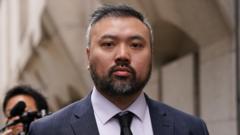
The MP in question is Beth Winter, who formerly represented Cynon Valley. Her husband, Nicholas Gilby, was arrested as part of a probe into alleged spying for China. While Winter hasn't been accused of any criminal wrongdoing herself, she's taken the step to step back from the party whip while the investigation plays out. This move is about optics, sure, but it’s also about the sheer gravity of the situation.
We’ve seen a shift lately. For years, the UK was accused of being "soft" on Chinese influence, prioritizing trade deals over security concerns. Those days are gone. The arrest of a person so closely linked to a political figure shows that MI5 and the Counter Terrorism Command aren't playing around anymore. They're looking at the networks, the social circles, and the family ties that foreign intelligence services love to exploit.
Why the Spouse of an MP is a Massive Target
Foreign intelligence agencies don't always go for the person holding the office first. Sometimes, they go for the person sitting across the dinner table from them. If you’re an operative looking for "passive collection," a spouse is a goldmine. They hear the venting after a long day in the Commons. They see the schedules. They know who their partner is meeting for a "private" lunch.
In the case of Nicholas Gilby, the allegations are serious. He’s been caught up in an investigation that targets the very mechanism of how information flows out of the UK. This isn't some James Bond movie with gadgets and car chases. Real-world spying is often boring. It’s about building relationships, offering small favors, and slowly turning someone into a "useful idiot" or a conscious asset.
British intelligence has been sounding the alarm on this for a while. Ken McCallum, the Director General of MI5, has been blunt about the scale of the challenge. He’s noted that the Chinese state is playing a long game, looking to influence British politics not just next week, but over the next decade. When a spouse gets dragged into this, it creates a massive conflict of interest that no amount of "voluntary suspension" can fully fix in the public’s eye.
The Political Fallout for the Labour Party
For Keir Starmer’s government, this is a headache they really didn't need. They've spent years trying to project an image of being "grown-ups" who are serious about national security. Having an MP—even one who lost her seat in the 2024 boundary changes but remains a figure in the party movement—connected to a China spy probe is terrible for the brand.
Winter’s decision to suspend herself was the only move she had. If she hadn't, the pressure from the opposition would’ve been relentless. But let's look at the broader picture. This incident forces the Labour Party to look inward. Who else is vulnerable? What kind of vetting do spouses of candidates actually undergo?
The reality is that vetting for MPs is surprisingly light compared to high-level civil servants. If you want to work for the MoD, they’ll dig into your finances, your travel history, and your family. If you want to run for Parliament, you basically just need the party’s blessing and enough votes. This gap in security is a barn door left wide open for foreign actors.
China's Growing Footprint in Westminster
This isn't an isolated incident. Remember Christine Lee? The MI5 interference alert about a London-based lawyer who was allegedly "facilitating financial donations" to political parties on behalf of the Chinese Communist Party sent shockwaves through the system. We’re seeing a pattern.
China’s strategy involves several layers:
- Political Lobbying: Using front organizations to push for China-friendly policies.
- Academic Influence: Funding research and university chairs to control the narrative.
- Technological Theft: Targeting UK industries that are world leaders.
- Human Intelligence: The "traditional" spying that seems to be at the heart of the Gilby arrest.
The arrest of Nicholas Gilby suggests that the police have found something concrete enough to move from surveillance to handcuffs. In the world of counter-espionage, making an arrest is often a last resort because it tips your hand. If they’ve moved now, it’s because the risk of leaving him "in the wild" was too high.
What Happens During a Voluntary Suspension
When an MP or a party member "voluntarily suspends" themselves, they're essentially in political purgatory. They lose the party whip, meaning they aren't part of the official party block anymore. They don't attend party meetings. They’re technically independent for the duration.
In Winter's case, it’s a pre-emptive strike to protect the party's reputation. It allows the leadership to say, "We’re taking this seriously," without having to officially expel someone before the facts are fully out. It’s a holding pattern. But for the individual, it’s often the beginning of the end of their political career. The "spy" label, even by association, is incredibly hard to scrub off.
The Human Cost of National Security
I’ve seen how these investigations tear families apart. Imagine finding out your partner of years has been leading a double life, or has been so deeply manipulated that they’ve put your entire career at risk. It’s devastating. If the allegations against Gilby hold weight, Winter is as much a victim of a sophisticated influence operation as the state is.
But the state can't afford to be sentimental. The security of the UK's information and its democratic processes has to come first. This case will likely lead to calls for much stricter "secondary vetting" for the families of people in high-office. It sounds intrusive—because it is—but in an era where foreign interference is a constant threat, it might be the only way to keep the system honest.
Lessons We Need to Learn Right Now
We can't keep acting surprised when this happens. The warning signs have been there for years. The UK has a culture of "polite lobbying" that foreign intelligence services find incredibly easy to exploit. We need to stop thinking of spying as something that only happens in the shadows. It happens in the bars of Westminster, in constituency offices, and, as we're seeing, in the homes of our representatives.
If you’re involved in local or national politics, you need to be aware of the "approach." It’s rarely someone in a trench coat asking for secrets. It’s a dinner invite. A request for a "briefing paper" on a mundane topic. A small donation to a local cause. These are the building blocks of an asset.
The investigation into Nicholas Gilby is ongoing, and we have to respect the legal process. But the political lesson is already clear: the wall between a politician's private life and national security is a myth. Everything is connected.
If you want to stay ahead of how foreign influence is changing British law, keep a close eye on the updates to the National Security Act. It’s designed specifically to make the kind of activity Gilby is accused of much easier to prosecute. Understanding these laws isn't just for lawyers anymore; it’s a requirement for anyone who cares about the integrity of our government.
Take a look at the transparency registers for your local MP. See who's funding their trips and who's donating to their office. It’s all public record, and it’s the first line of defense against influence that doesn't belong in our democracy. Be skeptical, be informed, and don't assume that just because someone is in the inner circle, they're automatically safe from being targeted.