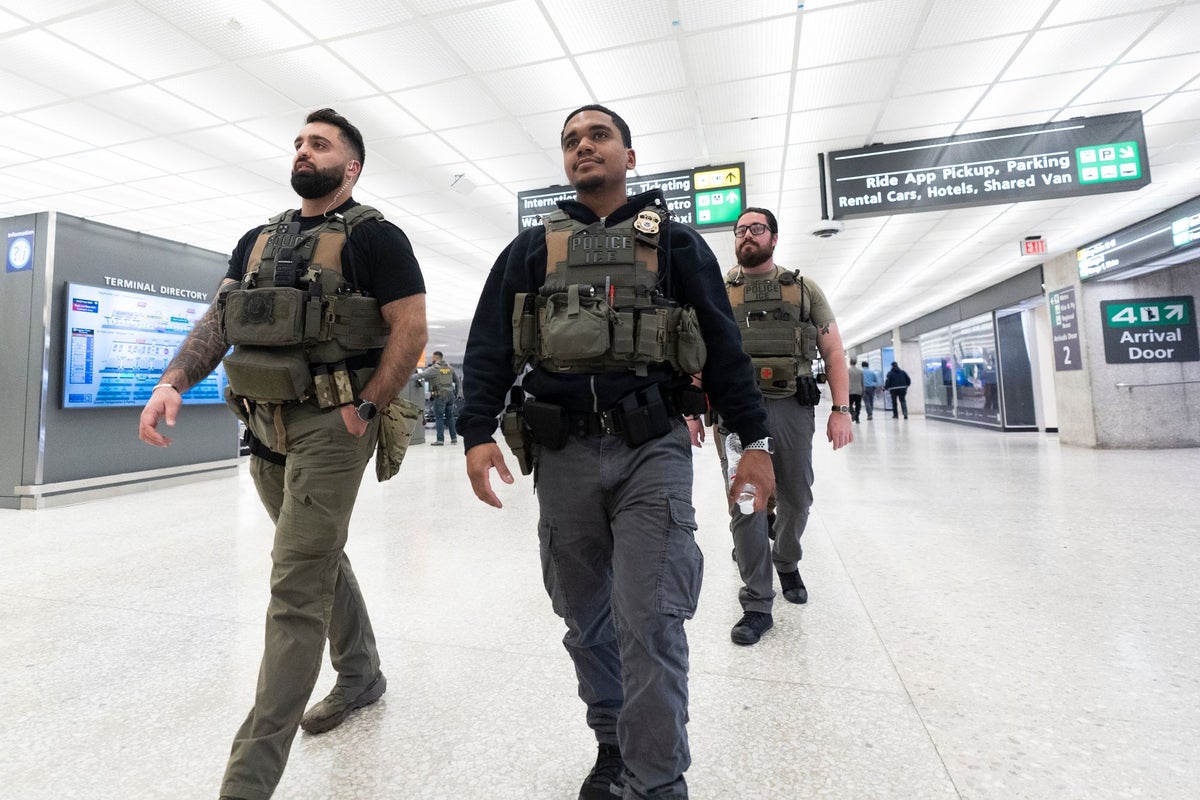
The transformation of Immigration and Customs Enforcement (ICE) from a standard federal agency into a highly responsive tool for executive political maneuvering did not happen by accident. It was a calculated reconfiguration of bureaucratic power. By shifting the agency’s focus away from broad public safety mandates and toward high-visibility enforcement actions that mirrored campaign rhetoric, the executive branch effectively created a secondary, domestic security force. This shift prioritized optics over traditional law enforcement metrics, creating a precedent where federal resources are deployed to validate political narratives rather than purely to uphold the law.
To understand the current state of ICE, one must look past the headlines and into the mechanics of administrative law. The agency operates under the Department of Homeland Security (DHS), but its internal culture and operational priorities are heavily influenced by the "priorities" memos issued by the White House. When these memos shift from targeting violent offenders to targeting anyone with a specific legal status in a specific geographic area—often a "sanctuary city" that opposes the administration—the agency ceases to be a neutral arbiter of the law. It becomes a political instrument.
The Infrastructure of Executive Influence
The executive branch possesses a unique ability to bypass Congress through "reprogramming" funds. This is the financial engine that allowed for the rapid expansion of detention centers and the surge of personnel to specific borders or cities during high-profile political events. This isn't just about moving money; it's about the erosion of the legislative branch's "power of the purse." By reallocating funds originally intended for disaster relief or national security to ICE operations, the administration signaled that its personal enforcement goals outweighed other federal responsibilities.
The organizational chart of ICE also became increasingly politicized. Career officials who questioned the efficacy or legality of certain aggressive tactics were often sidelined or replaced by "acting" officials who were more aligned with the executive’s ideological goals. These acting appointments became a way to avoid the Senate confirmation process, effectively insulating the agency from any real oversight. This created a direct line of command from the White House to the boots on the ground, bypassing the traditional layers of departmental review that are meant to ensure federal actions are both lawful and ethical.
Surveillance and the Privatization of Enforcement
One of the most overlooked aspects of this transformation is the role of technology and private sector partnerships. ICE has moved far beyond simple fingerprinting and physical surveillance. The agency now relies heavily on massive data aggregation from private companies, including facial recognition technology, license plate readers, and location data sold by third-party brokers. This creates a digital dragnet that exists largely outside of the Fourth Amendment protections that traditionally limit government surveillance.
Private contractors also manage a significant portion of the agency’s detention infrastructure. This creates a financial incentive for increased enforcement. When a company's profit margin depends on the number of beds filled in a detention center, there is a natural push for more arrests and longer detention periods. This synergy between government political goals and private corporate interests is a dangerous combination. It turns human enforcement into a commodity, where the "success" of the agency is measured in occupancy rates and the frequency of high-profile raids that can be broadcast on cable news.
The Sanctuary City Standoff
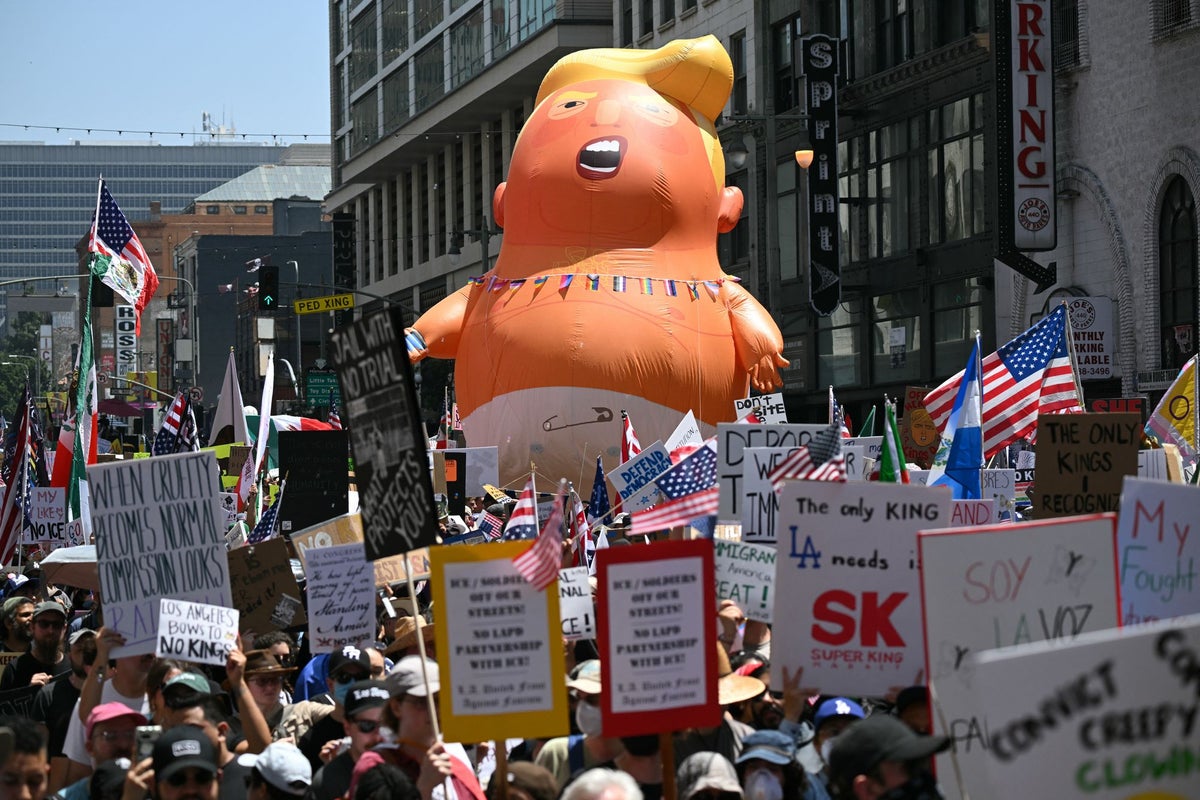
The conflict with "sanctuary cities" is perhaps the clearest example of ICE being used as a political weapon. These cities—large urban centers with populations that often vote against the administration—became the primary targets of ICE operations. The reasoning was rarely about an increase in crime in these areas; in fact, many studies show that sanctuary cities have lower crime rates than their non-sanctuary counterparts. Instead, the targeting of these cities was a way to punish local governments for their political opposition and to create a visual of "lawlessness" that could be used in campaign ads.
This tactic forced local law enforcement into a difficult position. Police chiefs in many of these cities argued that cooperating with ICE would destroy the trust they had built with immigrant communities, making it harder to solve crimes and protect the public. By forcing this confrontation, the administration effectively used a federal agency to undermine local public safety for the sake of a national political narrative.
The Human and Institutional Cost
The long-term effects of this weaponization are profound. Internally, the morale of ICE agents who view themselves as professional law enforcement officers has plummeted. They are caught between their oath of office and the shifting demands of a politically charged administration. This lead to a "brain drain" of experienced personnel, leaving the agency in the hands of those who are most willing to follow political directives without question.
Externally, the perception of federal law enforcement has been severely damaged. When an agency is seen as the "personal police" of a single individual, its legitimacy is eroded. This makes it harder for other federal agencies to do their jobs, as the public begins to view any federal action through a partisan lens. The precedent set here is not easily undone. Once an agency has been retooled for political use, it remains a potent weapon for any future administration that chooses to use it in the same way.
The expansion of ICE's mandate into what is essentially a domestic security force with broad, unchecked powers is a fundamental shift in the American system of government. It challenges the idea of a professional, non-partisan civil service and places an immense amount of power in the hands of the executive. This isn't just about immigration policy; it's about the integrity of the federal government and the limits of executive power.
The Legal Framework for Expansion
The legal justifications for these actions often rely on a broad interpretation of "national security." By framing immigration not as a civil or administrative matter but as a dire threat to the nation's survival, the executive can justify almost any level of enforcement. This "securitization" of immigration allows the administration to invoke emergency powers and bypass standard legal procedures. It’s a strategy that has been used throughout history to expand executive power, and it is particularly effective in the realm of border and immigration enforcement where the law is already complex and often contradictory.
Courts have historically given the executive branch wide latitude in matters of immigration and national security. This deference has become a loophole that allows for the implementation of policies that would never survive judicial scrutiny in any other context. While some of the more extreme actions have been challenged in court, the slow pace of the legal system means that the administration can often achieve its political goals before a final ruling is ever made.
Reforming the Agency
Fixing the problem requires more than just a change in leadership. It requires a fundamental restructuring of ICE and a reinvigoration of Congressional oversight. This means ending the use of "reprogrammed" funds for immigration enforcement and requiring that all major agency positions be filled by Senate-confirmed individuals. It also means ending the use of private contractors for detention, which would remove the profit motive from enforcement.
There is also a need for clear, statutory limits on how the executive can use federal agencies for political purposes. This could include stronger whistleblower protections for civil servants who report political interference and more transparent reporting requirements for agency operations. Without these changes, the agency will continue to be a tool for whoever holds the White House, regardless of the law or the will of the people.
The erosion of federal neutrality is a quiet crisis. It doesn't happen with a single event but through a thousand small changes in policy, personnel, and rhetoric. The weaponization of ICE is simply the most visible symptom of this larger problem. It serves as a warning of what happens when the tools of the state are turned toward the personal and political interests of the executive, rather than the neutral administration of justice.
Federal agencies must be insulated from the whims of any single politician. This is the only way to ensure that the law is applied fairly and that the power of the state is not used to silence or punish political opponents. The path back to a neutral, professional ICE is long and difficult, but it is necessary if the country is to maintain its commitment to the rule of law.
Demand that your representatives reassert their oversight authority. The "power of the purse" was designed specifically to prevent this kind of executive overreach, and it is time it was used to pull ICE back from the brink of being a partisan militia.

.webp?width=1200&auto=webp&trim=0%2C0%2C0%2C0)