Hanoi is moving. While the rest of the world watches the escalating conflict in the Middle East with a sense of paralyzed dread, Vietnam has hit the accelerator on a long-stalled domestic energy mandate. The government is no longer just suggesting a shift to E5 and E10 ethanol blends; it is engineering a forced evolution of its fuel market to survive a projected era of $110-per-barrel oil. This isn't a sudden environmental awakening. It is a cold, calculated move for national energy security in a world where the Strait of Hormuz has become a global choke point.
The logic is simple. Vietnam’s economy is sensitive to energy shocks. When Iran and its neighbors enter a hot war, the ripple effects hit the pumps in Ho Chi Minh City within days. By mandating a higher percentage of locally produced or regionally sourced ethanol, the Ministry of Industry and Trade (MoIT) aims to dilute its dependency on volatile Brent crude imports. But the road to a biofuel-powered future is littered with the remains of previous failed attempts, and this time, the stakes are significantly higher.
The Crude Reality of Geopolitical Volatility
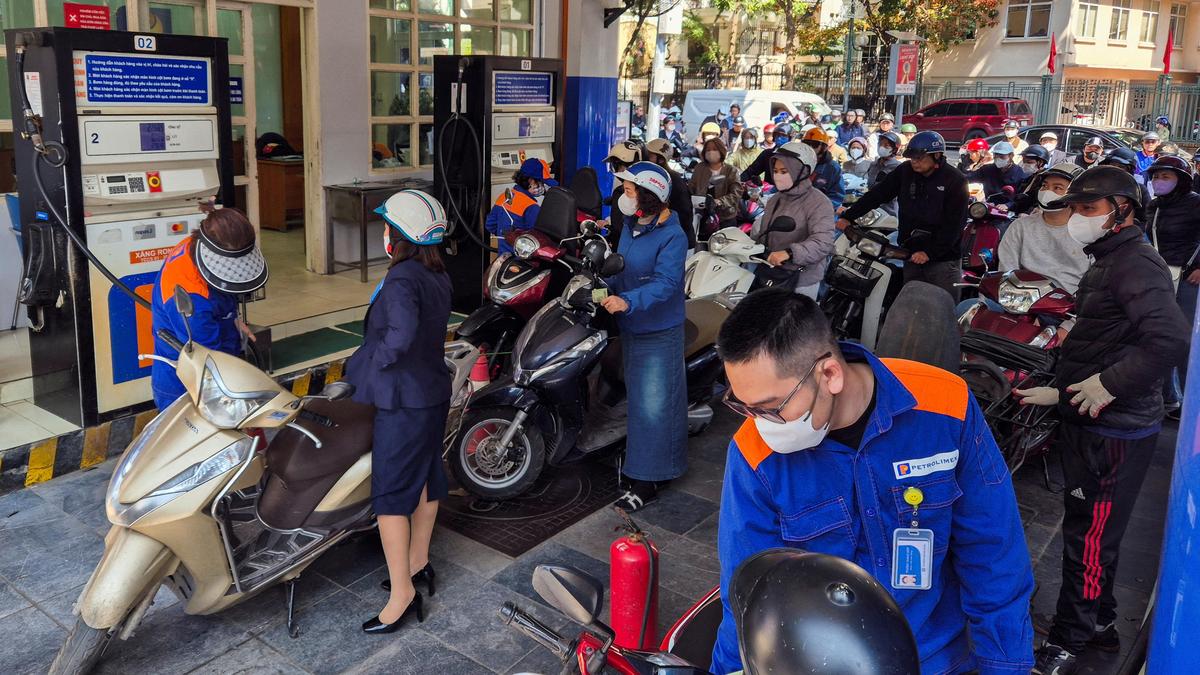
Vietnam’s energy portfolio has always been a precarious balancing act. Despite being an oil producer, the country lacks the refining sophistication to meet all its domestic needs, often exporting crude while importing refined gasoline. This creates a double-edged sword during Middle Eastern conflicts. While export revenues might tick up, the cost of processed fuel—the lifeblood of Vietnam’s massive fleet of 65 million motorbikes—skyrockets.
The current conflict in the Middle East has dismantled the old pricing models. We are seeing a structural shift in how emerging economies view "safe" energy. For Hanoi, ethanol is the most immediate shield available. Unlike electric vehicle infrastructure, which requires a multi-decade overhaul of the national grid, ethanol can be dropped into existing engines and distributed through the current network of filling stations with relatively minor adjustments.
The Cassava Connection and the Feedstock Trap
At the heart of Vietnam's ethanol push is the humble cassava root. Vietnam is one of the world’s largest exporters of cassava, traditionally sending the bulk of its harvest to China for animal feed and industrial starch. Redirecting this supply to domestic ethanol plants is the "how" of this strategy.
However, the "how" is complicated by market economics. Farmers follow the money. If Chinese buyers offer a higher price for raw cassava than domestic biofuel plants can afford, the feedstock disappears. This is where the government’s new policy gets aggressive. By implementing tax incentives for ethanol producers and imposing higher duties on the export of raw agricultural commodities, the state is trying to force a domestic loop.
There is a technical hurdle that most analysts ignore. Cassava-based ethanol production is water-intensive and produces a significant amount of wastewater. To truly scale this to meet a nationwide E10 mandate (10% ethanol, 90% gasoline), the country needs to upgrade its aging distillery fleet. Most of the current plants were built during the initial 2014-2015 push and have sat idle or under-capacity for years due to low oil prices making ethanol uncompetitive.
Why Previous Mandates Stalled
To understand why this time might be different, you have to look at why the 2018 E5 mandate underperformed. Consumers were skeptical. Rumors swirled on social media that ethanol-blended fuel damaged older motorbike engines and dissolved rubber seals. The price difference between E5 and traditional RON 95 gasoline was also too narrow—often less than 1,000 VND (roughly 4 cents) per liter.
For a commuter in Da Nang, that measly saving wasn't worth the perceived risk to their vehicle.
The government has learned. The new strategy focuses on two fronts: widening the price gap through subsidies and launching a massive technical transparency campaign. They are working with major manufacturers like Honda and Yamaha—who control the vast majority of the Vietnamese market—to publicly certify that their engines are E10-ready.
The Mathematics of the Pump
Consider the current pricing structure. If Brent crude sits at $95, the cost of pure gasoline at the gate is high. Ethanol, produced from domestic cassava, has a more stable price floor. By increasing the blend to 10%, the government can shave a significant percentage off the final retail price, provided the production plants are running at peak efficiency.
$$Price_{blend} = (P_{gas} \times 0.90) + (P_{eth} \times 0.10) + Taxes + Distribution$$
When $P_{gas}$ (price of gasoline) spikes due to a tanker being seized in the Persian Gulf, $P_{eth}$ (price of ethanol) remains tethered to the local harvest. This is the insurance policy Hanoi is buying.
The Hidden Cost of Energy Independence
No energy shift is free. The push for ethanol creates a "food versus fuel" tension that the Vietnamese government is currently downplaying. As more land is dedicated to high-yield cassava for fuel, the land available for other crops shrinks. This can lead to localized food inflation, a dangerous byproduct for a country that prides itself on social stability.
Furthermore, the environmental argument for ethanol is nuanced. While it burns cleaner than pure gasoline, reducing carbon monoxide and hydrocarbon emissions, the land-use changes and the energy required to process cassava into fuel can sometimes offset the carbon gains. If the goal is purely "green," ethanol is a transitional tool at best. But Hanoi isn't playing a purely green game; they are playing a survival game.
Regional Competition for Biofuel Supremacy
Vietnam isn't acting in a vacuum. Thailand and Indonesia are already far ahead in the biofuel race. Thailand has successfully integrated E20 and even E85 into its market, while Indonesia is the world leader in palm-oil-based biodiesel (B35).
Hanoi is looking at its neighbors and realizing that energy autarky is the only way to protect its manufacturing boom. If a factory in Bac Ninh loses its logistics chain because trucking costs doubled overnight, the "Made in Vietnam" miracle grinds to a halt. Ethanol is the lubricant for the supply chain.
The Technical Reality of E10 and Beyond
For the average rider, the switch to E10 is almost invisible. Modern fuel-injected engines use oxygen sensors to adjust the air-fuel ratio in real-time. Since ethanol contains oxygen, the engine's ECU (Electronic Control Unit) simply trims the fuel delivery.
The danger lies in moisture. Ethanol is hygroscopic, meaning it attracts water from the air. In a humid climate like Vietnam’s, fuel stored in tanks for too long can undergo phase separation—where the water and ethanol sink to the bottom, potentially stalling the engine. This requires a complete overhaul of how petrol stations manage their underground storage tanks. They need better filtration and more frequent maintenance. The government is now mandating these upgrades as a condition for license renewal.
Investors are Circling the Distilleries
The most telling sign of this shift is the movement of private capital. For years, Vietnam's ethanol plants were considered "toxic assets." Now, we see renewed interest from private equity firms and regional energy conglomerates. They see the writing on the wall: the era of cheap, easy oil is over.
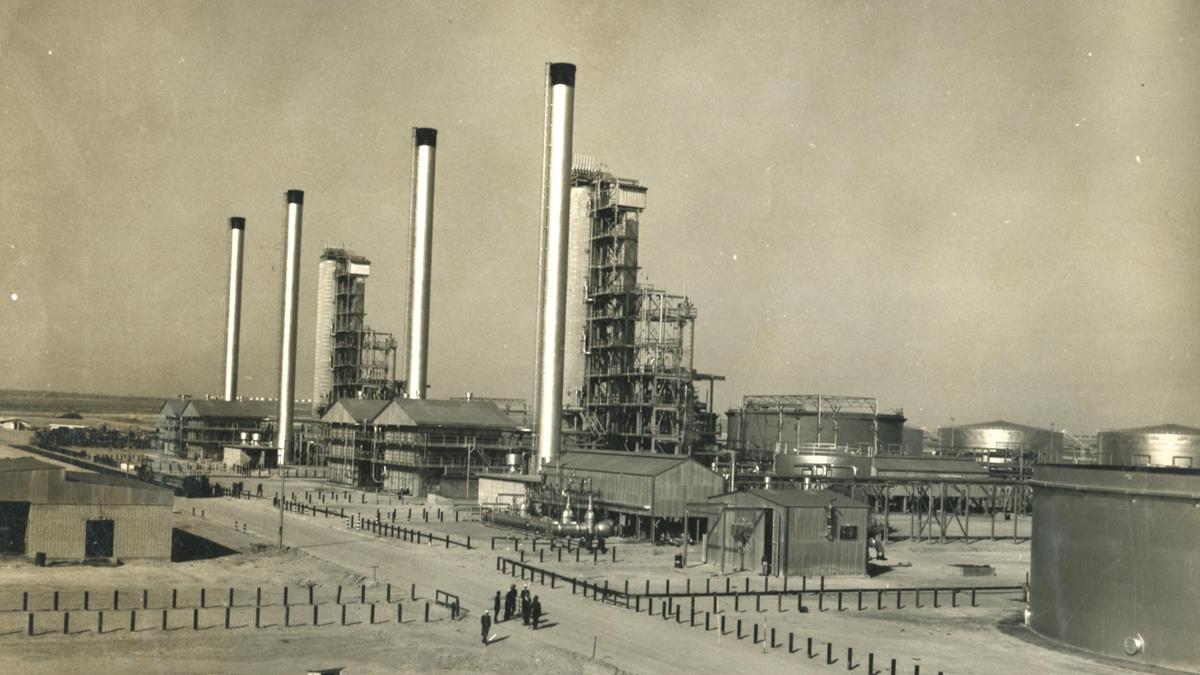
The state-owned giant PetroVietnam (PVN) is also revitalizing its biofuel subsidiaries. They are moving away from the "build it and they will come" model of the past decade and moving toward an integrated supply chain that manages everything from the cassava seedling to the pump nozzle.
The End of the RON 95 Era?
The ultimate goal is the phasing out of RON 95 for standard passenger vehicles. By making E10 the default "premium" choice and introducing E20 for newer fleets, Vietnam is trying to de-normalize pure fossil fuel consumption.
This isn't just about the war in the Middle East. It’s about the fact that global oil discoveries are at a multi-decade low. The world is transitioning, and Vietnam has decided that waiting for a perfect electric future is a luxury it cannot afford.
The next time you see the price of oil jump on the news, look at the price of cassava in Tay Ninh. That is where Vietnam's real energy battle is being fought. The success of this transition depends entirely on whether the government can maintain the price gap and ensure that the quality of the blend remains consistent across the country’s thousands of independent stations.
If they fail, they face a public backlash that could set energy reform back another decade. If they succeed, they provide a blueprint for other developing nations to decouple their growth from the chaos of the Middle East.
Would you like me to analyze the specific tax incentives the Vietnamese government is offering to ethanol producers to see how they compare with regional peers?