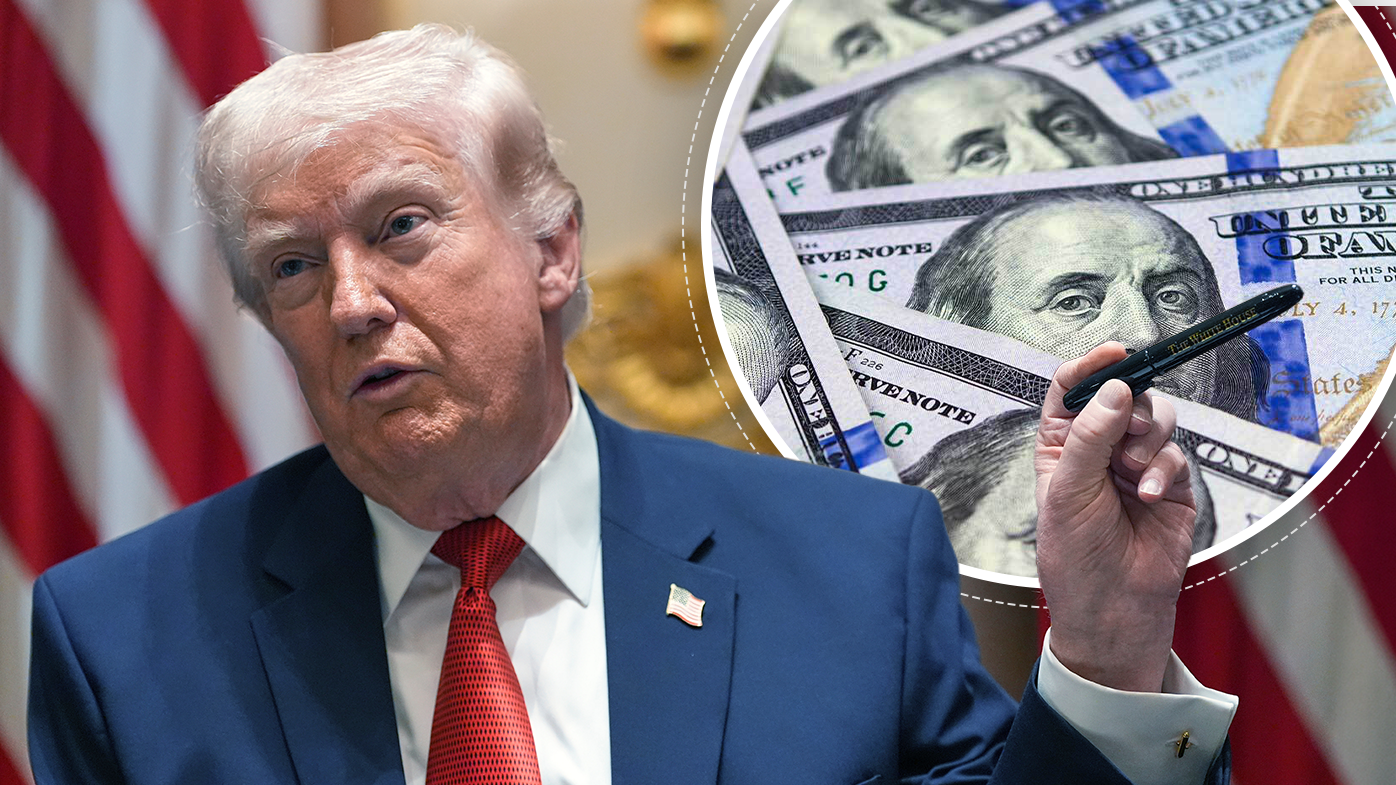
Tether is finally playing by the rules that actually matter to Wall Street. By hiring KPMG to audit its massive reserves, the world’s largest stablecoin issuer isn't just checking a box. It’s trying to kill the "trust me, bro" era of crypto accounting once and for all. If you’ve followed the USDT saga for more than five minutes, you know the drill. Critics have spent years screaming that Tether is a house of cards. They claimed the dollars weren't there. They claimed the commercial paper was junk. Now, with a move toward a full US expansion, Tether is putting its money where its mouth is.
This isn't just about a logo on a PDF. It’s a calculated strike to gain the institutional legitimacy required to operate in the most regulated financial market on earth. For a company that once got fined by the CFTC for lying about its reserves, the leap to a Big Four auditor is massive. It changes the conversation from "is the money there?" to "how fast can we scale?"
Why the KPMG hire changes everything for USDT
For years, Tether relied on smaller accounting firms like BDO. While those firms are respected, they aren't the Big Four. In the eyes of US regulators and major investment banks, if it isn’t Deloitte, PwC, EY, or KPMG, it doesn't carry the same weight. By bringing KPMG into the fold, Tether is signaling that its $100 billion-plus treasury is ready for the microscope.
It's a smart play. You can't walk into Washington D.C. and ask for a license to operate a payment system while your books are handled by a firm most congressmen haven't heard of. KPMG brings a level of scrutiny that many in the crypto space actually fear. They'll look at the liquidity of the US Treasuries. They'll verify the cash equivalents. Most importantly, they'll provide the kind of attestation that makes a CFO at a Fortune 500 company feel safe holding USDT on their balance sheet.
The timing is far from accidental. We're seeing a shift in how the US views digital assets. With the potential for clearer stablecoin legislation on the horizon, Tether wants to be the incumbent that the government can't ignore. They're tired of being the offshore giant. They want to be the onshore standard.
The ghost of audits past
Let's be real for a second. Tether's history with transparency is messy. Back in 2017, they famously broke up with an auditor before a report could be finished. That sparked a multi-year wave of FUD (Fear, Uncertainty, and Doubt) that has followed them ever since. Critics pointed to the lack of a "full audit" as proof of insolvency.
Tether's defense was always that Big Four firms were too scared of the reputational risk to touch crypto. That was mostly true. For a long time, the risk-to-reward ratio for an auditor was terrible. If they signed off on a crypto firm and it blew up, their reputation was toast. If they did a good job, they just got a standard fee.
KPMG taking this on suggests that the risk profile has changed. It means the data is clean enough for a global giant to put its name on the line. It's a huge win for Paolo Ardoino and his team. They’ve spent the last two years aggressively cutting down their commercial paper holdings and shifting into "boring" assets like US Treasury bills. Now, they have the auditor to prove it.
Moving beyond the offshore stigma
Most people think of Tether as this shadowy entity based in the British Virgin Islands. That worked when crypto was an edgy subculture. It doesn't work when you're trying to integrate with the global banking system. The US expansion isn't just about opening an office in New York or Miami. It’s about getting access to Fedwire. It’s about having a direct line to the US financial plumbing.
To do that, you need more than just a big bank account. You need a compliance culture that mirrors a traditional bank. Hiring KPMG is the loudest possible way to say "we’re a real financial institution now."
Think about the competition. Circle’s USDC has always positioned itself as the "regulated" and "safe" alternative. They’ve leaned heavily into their US ties and transparency. Tether, meanwhile, won the market share war by being available everywhere and having the most liquidity. If Tether manages to keep its liquidity lead while matching Circle's level of transparency, the "safety" argument for USDC starts to evaporate.
What this means for your bags
If you're holding USDT, this is arguably the most bullish news in the history of the asset. A stablecoin's value is entirely dependent on its peg. That peg is maintained by the market's belief that every USDT can be swapped for $1.
When a Big Four auditor verifies those reserves, the "depeg risk" drops significantly. This makes USDT more attractive for:
- Institutional treasury management
- Cross-border trade settlements
- DeFi protocols that require high-liquidity collateral
- Retail users in hyperinflationary economies who need a digital dollar they can actually trust
We've seen what happens when stablecoins fail. Terra/Luna was a disaster because it was backed by math and vibes. Tether is backed by the same stuff that backs the US dollar—Treasury bills. The difference is that now, we don't have to take their word for it.
The hurdles that still remain
Don't think this is a "happily ever after" moment just yet. The US regulatory environment is still a minefield. The SEC and the CFTC are constantly fighting over who gets to police the space. Even with a KPMG audit, Tether will face intense questioning about its historical transactions and its KYC (Know Your Customer) procedures.
Regulators don't just care about what's in the bank today. They care about where that money came from five years ago. Tether has been a tool for everyone from high-frequency traders to people evading capital controls in authoritarian regimes. That baggage doesn't disappear because you hired a fancy auditor.
KPMG will likely focus on the "here and now." They'll verify the assets exist today. But the Department of Justice or the Treasury Department might still have questions about the past. That's the real hurdle for a US expansion. It’s not just about the balance sheet; it’s about the "cleanliness" of the entire ecosystem.
Why you should ignore the skeptics this time
There will always be people who hate Tether. They've built entire careers on predicting its collapse. For these people, even a KPMG audit won't be enough. They'll move the goalposts. They'll say the audit was "too narrow" or that KPMG is "complicit."
You should ignore them. In the world of finance, an audit from a firm of this caliber is the gold standard. It’s what every public company in the S&P 500 uses. If it’s good enough for Apple and Microsoft, it’s good enough for a stablecoin issuer.
Tether has survived every stress test thrown at it. It survived the 2022 market crash. It survived the collapse of FTX. It survived the banking crisis that took down Silicon Valley Bank and Signature Bank. Each time, it processed billions in redemptions without breaking a sweat. Adding a top-tier auditor is just the final piece of the puzzle.
The next step is simple. Watch for the first full report from KPMG. Don't just read the headlines—look at the breakdown of the assets. Look at the liquidity duration of the Treasuries they hold. If you're using USDT for business or long-term holdings, download the attestation reports when they're released. Use that data to set your own risk parameters instead of relying on Twitter rumors. If you're waiting for a "safer" entry point into the crypto ecosystem, this is it.