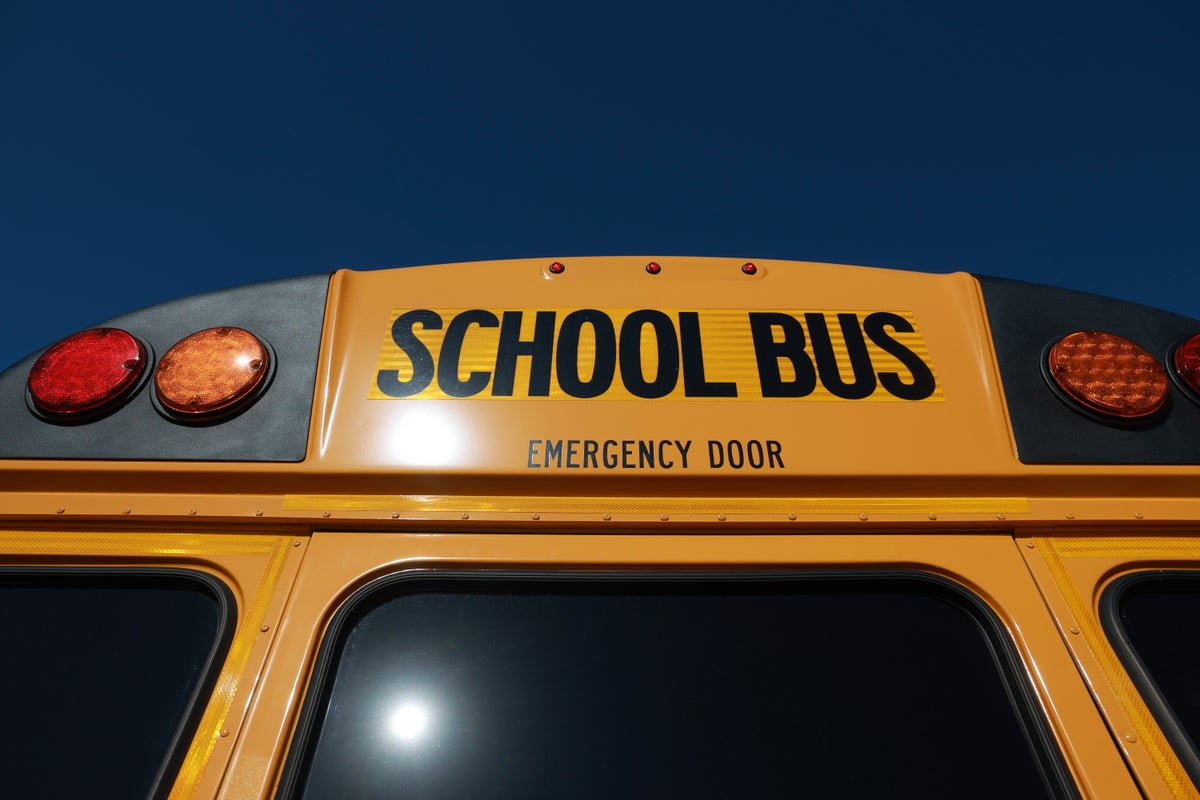
The sirens in Meigs County didn't just signal an accident. They signaled a systemic failure. When a Tennessee school bus carrying children on a field trip collided with a service truck, the result wasn't just a traffic report. It was a nightmare. Two students lost their lives. Several others were rushed to hospitals with injuries that will change their families forever. We see these headlines, feel a pit in our stomachs, and then move on until the next one. That has to stop.
If you're a parent, you trust that yellow bus. It's an American icon of safety. But the reality on the ground in rural Tennessee—and across much of the South—tells a different story. We’re dealing with narrow roads, aging fleets, and a lack of consistent safety tech that should be standard by now. It isn't just about one driver's mistake or a slick road. It's about how we protect our most vulnerable people when they're away from home.
The Tennessee School Bus Crash and the Cost of Inaction
When the news broke about the crash on Highway 58, the details were harrowing. A school bus from Meigs County was heading back from a field trip when it tangled with a utility vehicle. The impact was catastrophic. These aren't just statistics. These were kids looking forward to getting home and telling their parents about their day.
The Tennessee Highway Patrol (THP) often points to "driver error" or "environmental factors." That's the easy way out. While the investigation into this specific tragedy continues, we have to look at the broader picture. Tennessee has seen a string of high-profile bus incidents over the last decade. Remember Chattanooga in 2016? Six children died then. The promises made by politicians after that wreck were loud. The actual changes? Those have been frustratingly slow.
Standard school buses are built like tanks to withstand impact, but they aren't invincible. They’re designed with "compartmentalization"—the idea that high, padded seat backs will cushion kids during a crash. It’s an old concept. It works in a straight-on collision. It fails miserably in rollovers or side-impact T-bones. In the Meigs County event, the physical forces involved simply overwhelmed the bus’s structural design.
Why Seat Belts in School Buses Aren't Optional Anymore
It's 2026. We don't let kids sit in a car without a five-point harness or a belt, yet we put forty of them on a bus with zero restraints and call it "safety." This is the hill many safety advocates are willing to die on. Tennessee law currently doesn't mandate seat belts on full-sized school buses. Some districts have opted in, but it’s a patchwork of protection.
Critics always bring up the cost. They say it costs $7,000 to $10,000 extra per bus to install three-point belts. They argue that in a fire or a water landing, belts might trap kids. Honestly, that’s a weak argument. NTSB data shows that fire or submersion happens in less than 0.5% of bus accidents. Most injuries come from kids being tossed around the interior like dice in a cup.
The Physics of a Crash
When a bus hits a heavy utility truck, the deceleration is violent. Kids aren't just sitting still; they become projectiles.
- Lateral Movement: Compartmentalization only works if the kid stays in the seat. In a side impact, they slide right out.
- Ejection Risk: Without belts, the risk of a child being thrown through a window or into the aisle increases by over 50%.
- Driver Control: If a driver is belted but the kids are flying around, the driver can’t focus on regaining control of the vehicle.
If we can afford multimillion-dollar stadium upgrades for high schools, we can afford to bolt some nylon webbing into a bus. It’s a matter of priorities.
Rural Infrastructure Is a Deathtrap for Heavy Vehicles
Tennessee’s landscape is beautiful, but its backroads are brutal. Highway 58, where this tragedy occurred, is typical for the region. Two lanes. Minimal shoulders. Steep drop-offs. When you put a 30,000-pound bus on those roads alongside industrial service trucks, there is zero margin for error.
State DOTs need to stop treating rural routes as "low volume" and start treating them as "high risk." We need wider shoulders. We need better rumble strips. Most importantly, we need to reconsider how we route these field trips. Often, buses are sent on the "shortest" path rather than the "safest" path to save on fuel. That’s a bean-counter mentality that costs lives.
Driver Training and the Shortage Crisis
We also have to talk about who is behind the wheel. There is a massive shortage of school bus drivers across the country. Tennessee is hit hard. When districts are desperate, they sometimes lower their standards or push drivers to work longer hours.
A tired driver is a dangerous driver. A driver who hasn't been trained in advanced collision avoidance is a liability. New tech like automatic emergency braking (AEB) and lane-keep assist exists. It’s common in your Honda Civic. Why isn't it mandatory on every new school bus?
What Parents Must Demand From School Boards Today
Waiting for the state legislature to pass a bill is a losing game. Change happens at the local level. If you're a parent in Tennessee—or anywhere else—you have more power than you think. You pay the taxes that buy these buses.
Start by asking your school board three direct questions. First, what percentage of our fleet has three-point seat belts? Second, what is the average age of our buses? Third, what specific safety tech is required for any new bus purchase? If the answer is "we don't know" or "it's too expensive," you have your answer. They're gambling with your kid’s life to save a buck.
Check the inspection records. In Tennessee, the THP inspects buses twice a year. Those records are public. You can literally see if the bus your kid rides has failing brakes or steering issues. If the district isn't transparent about this, make a scene.
We can't bring back the students lost in Meigs County. We can't erase the trauma of the survivors who had to climb out of a mangled wreck on a Friday afternoon. But we can stop pretending these are "unavoidable accidents." They are failures of policy and hardware. It's time to stop mourning and start retrofitting. Demand the belts. Demand the tech. Demand the safer roads. Anything less is just waiting for the next siren.
Go to your next school board meeting. Bring the crash statistics. Don't let them talk about the budget until they talk about the kids. Check the Tennessee Department of Safety website for your district's bus inspection scores. Knowledge is the only way to force their hand.