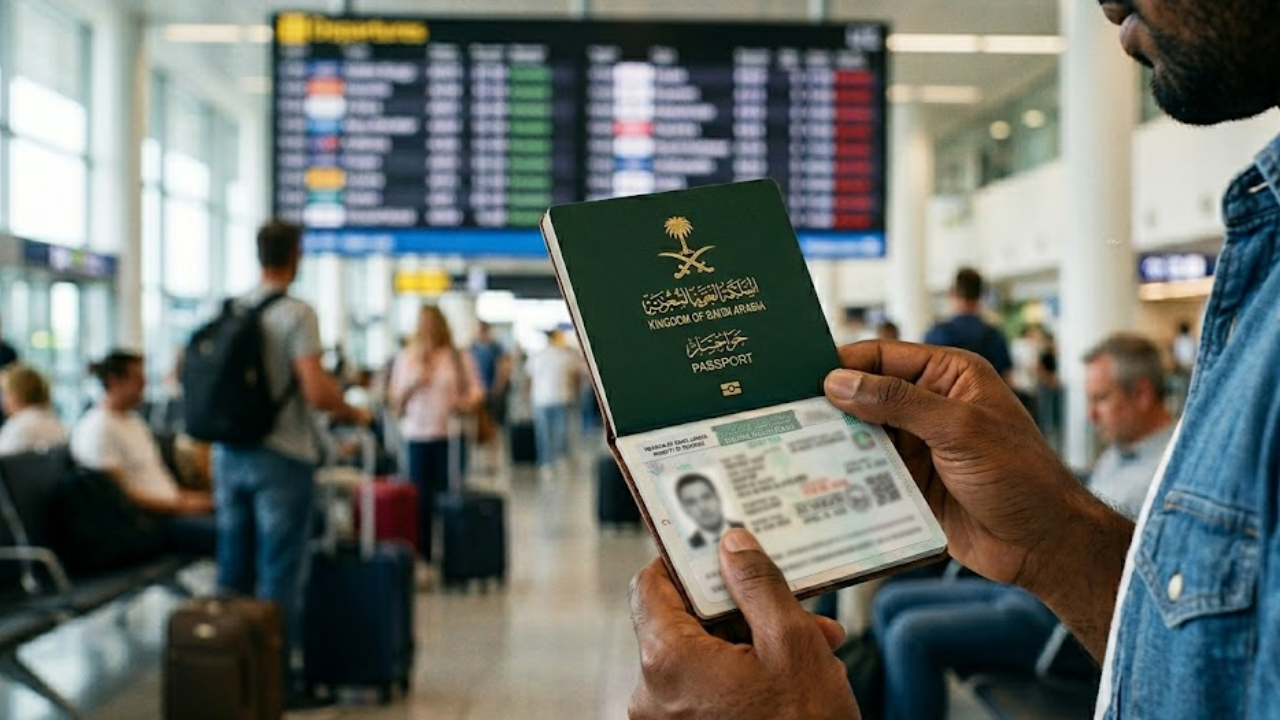
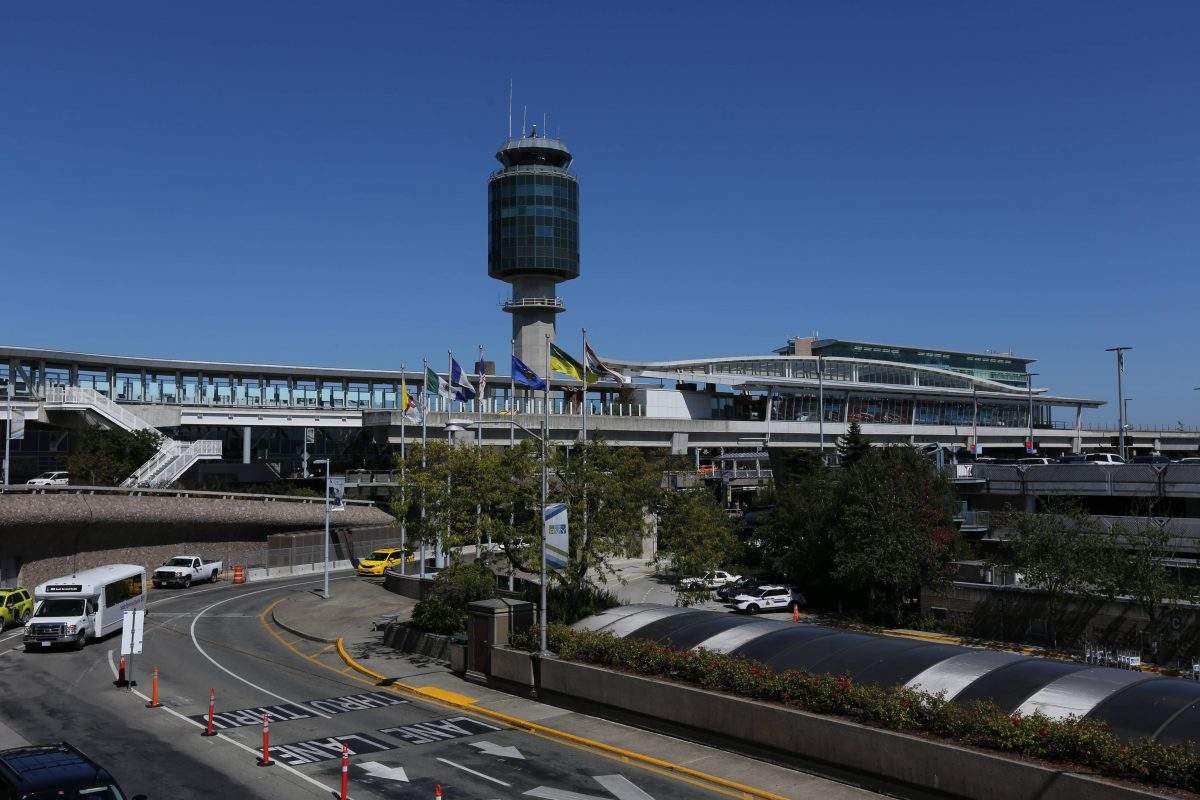
You're standing in a TSA line that snakes past the baggage claim, through the sliding glass doors, and onto the humid sidewalk of a terminal you should've cleared an hour ago. It's not just your imagination. US airport wait times have officially hit their longest levels in history. While the headlines blame "seasonal surges," the truth is much grittier. We're watching a slow-motion collapse of airport infrastructure because hundreds of federal officers simply stopped showing up for work without a paycheck.
When the government stops paying the people who keep the planes in the sky and the lines moving, those people find other options. Fast. You can't pay rent with "essential employee" status. This isn't a temporary glitch in the matrix. It's a systemic failure that has turned major hubs like Hartsfield-Jackson and O'Hare into endurance tests. If you've got a flight today, you aren't just looking at a minor delay. You're looking at a complete shift in how American air travel functions.
Why the TSA Workforce is Evaporating
The math is brutal. TSA officers are among the lowest-paid federal employees, often starting at salaries that barely compete with local fast-food management. When a shutdown or budget freeze hits, these workers are expected to show up, stay sharp, and handle your luggage while their own bank accounts sit at zero. Over the last quarter, we've seen a mass exodus. Hundreds of officers resigned in a single month. They didn't just go on strike. They quit to work in retail, construction, or literally anywhere that guarantees a Friday paycheck.
This isn't a workforce you can replace overnight. It takes months of background checks and specialized training to get a new officer on the floor. Every time a veteran officer walks out the door because they can't buy groceries, the security line adds another ten minutes. You feel that ten minutes. Everyone behind you feels it too.
The Domino Effect of Unpaid Air Traffic Controllers
Security isn't the only bottleneck. The people in the towers—the Air Traffic Controllers (ATCs)—are under even more pressure. These are high-stakes roles where a single mistake costs lives. Now imagine doing that job while worrying about your mortgage being two weeks late.
Data from the National Air Traffic Controllers Association shows that staffing levels were already at a 30-year low before this crisis hit. With the current wave of unpaid shifts, the Federal Aviation Administration (FAA) has been forced to implement "ground stops." That's the industry term for "nothing moves." They have to space out flights further apart because there aren't enough focused, rested eyes on the radar screens. When a flight from New York to LA is delayed by two hours on the tarmac, it’s often because there wasn't a controller available to hand them off to the next sector.
How the Biggest Hubs are Failing
If you're flying through a Tier 1 airport, you're in the splash zone. Atlanta, LAX, and JFK are seeing the worst of it. At Hartsfield-Jackson, wait times recently peaked at over four hours during peak morning windows. That’s longer than the actual flight for half the people in that line.
Smaller regional airports are surprisingly doing okay. They have less volume, so three missing officers don't create a mile-long tailback. But the moment your regional hopper tries to land at a major hub, you're back in the mess. The "hub and spoke" system is only as strong as the hub. Right now, the hubs are broken.
What the Airlines Aren't Telling You
Airlines love to blame the weather. It’s an "act of God" that lets them off the hook for vouchers or hotel stays. But lately, "weather" has become a convenient umbrella for "staffing shortages we can't control."
They know the TSA lines are a disaster. They know the FAA is struggling. Yet, they keep selling tickets for tight 40-minute connections. Honestly, if you book a connection under two hours right now, you're asking for a night on a terminal floor. The buffers that used to exist in the flight schedules have vanished. Every delay ripples through the entire day. A missed shift in the morning means a cancelled flight by 8:00 PM.
Survival Strategies for the New Travel Reality
You can't fix the federal budget, but you can stop being the person crying at the gate. The old "show up two hours early" rule is dead. It’s a relic of a time when people got paid to scan your shoes.
- The Three Hour Minimum. For domestic flights, three hours is the new baseline. For international, make it four. It sounds absurd until you see the line for the "Premier" lane wrapped around the parking garage.
- PreCheck is Losing Its Edge. Everyone bought TSA PreCheck to skip the line. Now, the PreCheck line is often just as long as the standard line because there’s only one lane open for both. It still saves you from taking off your shoes, but don't expect it to save you an hour.
- Carry On or Bust. If you check a bag, you're adding another layer of human-dependent infrastructure to your trip. Ground crews and baggage handlers are facing the same burnout and staffing gaps. If you want to leave the airport when you land, keep your stuff with you.
- Fly the First Flight. The 5:00 AM flight is miserable. It’s also your best chance. Delays are cumulative. The first planes of the day are usually at the gate and ready to go. By noon, the system is already lagging. By 6:00 PM, it's a crapshoot.
The Long Road to Recovery
Fixing this isn't as simple as passing a bill. Even if every officer returned tomorrow with a massive bonus, the morale damage is done. Training pipelines are clogged. Trust in federal employment is at an all-time low. We’re looking at a multi-year recovery period before "normal" wait times return to US soil.
Until then, the burden is on the traveler. You have to be your own advocate. Check the TSA MyTSA app for crowdsourced wait times before you leave the house. Monitor flight awareness sites for ground stops. Most importantly, don't take your frustration out on the officers who actually showed up. They're doing the work of three people for the pay of zero. They're just as tired of this as you are.
Pack a portable charger. Bring a sandwich. Download a few extra movies. The Golden Age of convenient air travel is on a very long hiatus. If you're heading to the terminal this week, expect the worst and plan for the longest wait of your life. It’s the only way to ensure you actually make it to your destination.