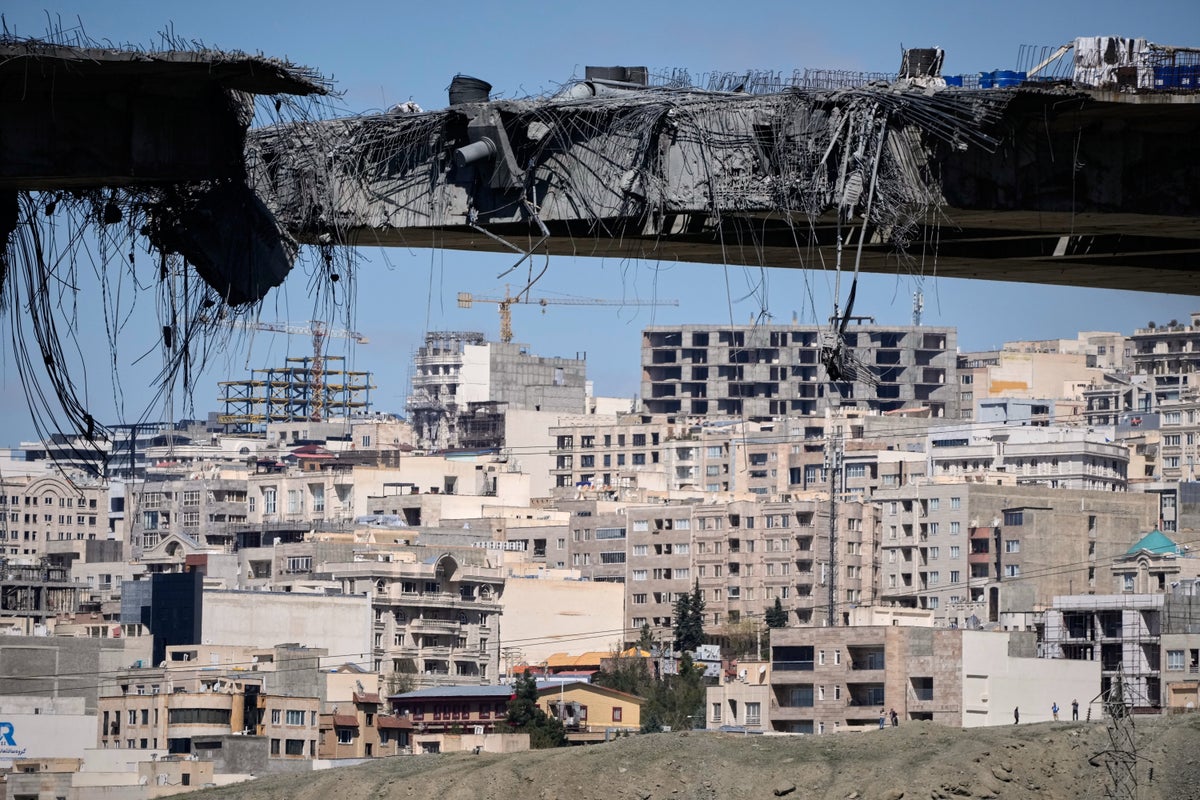
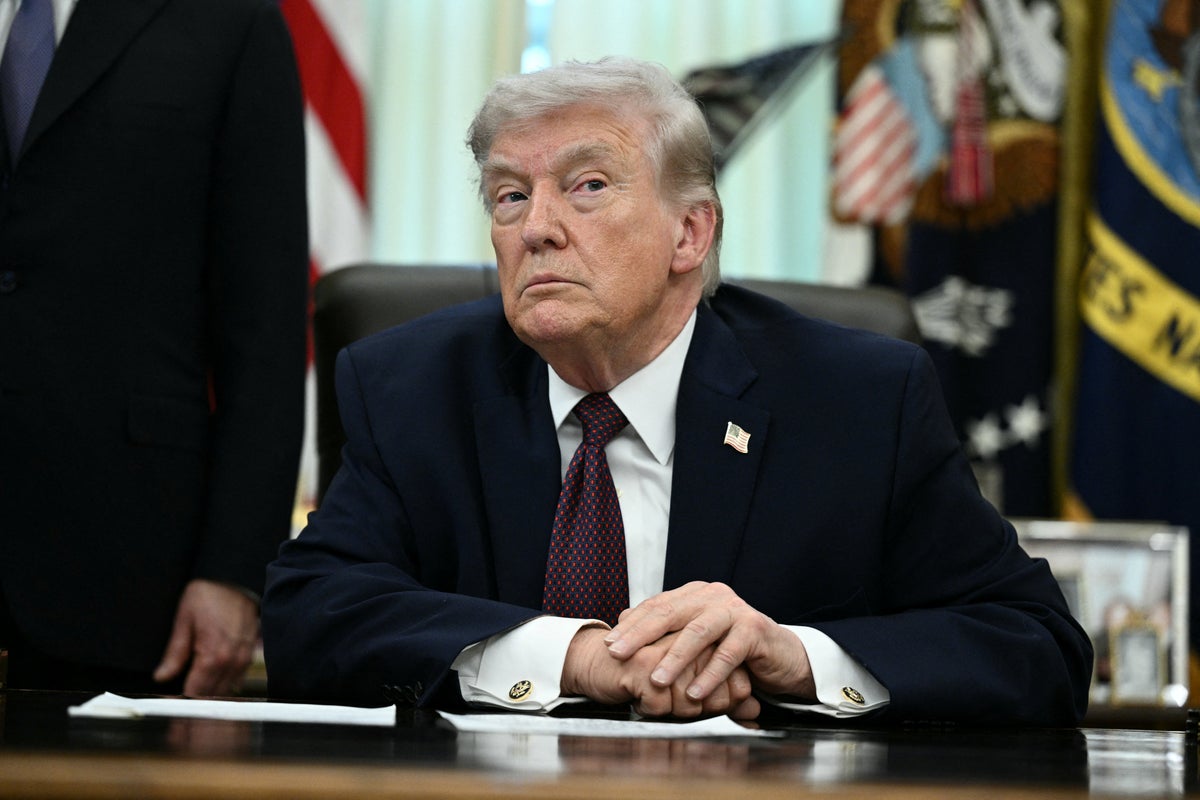
The ultimatum from the White House was vintage Donald Trump. It was delivered via social media with capitalized demands, a strict countdown, and a promise of fire and fury. Iran has 48 hours to reopen the Strait of Hormuz and agree to a peace deal, or "all hell will reign down."
But beyond the aggressive social media posturing lies a much more complex and dangerous reality. This is not just about a single threat or a specific deadline. It is about a calculated game of chicken in the world's most vital energy choke point, where a single misstep could plunge the global economy into chaos.
The primary query driving the current panic is simple. Will the US launch a massive strike on Iran's critical infrastructure if the deadline passes? The answer depends entirely on the backchannel negotiations currently taking place in Islamabad and other regional capitals. While the public rhetoric points to imminent destruction, the actual strategy appears to be a heavy-handed attempt to force Iran to the negotiating table.
The Real Leverage
To understand the current standoff, one must look at the geography of global energy. The Strait of Hormuz is a narrow waterway between Iran and Oman. It is the only sea passage from the Persian Gulf to the open ocean.
Before the current conflict began on February 28, approximately 20% of the world's petroleum passed through this narrow corridor. Iran's effective blockade of the strait has sent shockwaves through the global economy, driving crude oil prices as high as $120 a barrel.
The competitor's coverage of this crisis focused almost exclusively on the President's aggressive language. But focusing on the rhetoric misses the point. The real story is the immense economic pressure both sides are facing and how that pressure is driving their tactical decisions.
The US strategy, dubbed Operation Epic Fury, has severely crippled Iran's military capabilities and destroyed much of its radar infrastructure. Yet, Tehran has proven remarkably resilient. By shutting down the Strait of Hormuz, Iran has exercised its most powerful economic weapon, gambling that the resulting global energy crunch will force the US and its allies to soften their demands.
The Hidden Dynamics of the 48-Hour Clock
This is not the first time the White House has set a 48-hour deadline for Iran. A similar ultimatum was issued on March 21, threatening the destruction of Iranian power plants, beginning with the largest facilities. That deadline was later extended to a 10-day window, which expires on April 6, after the administration claimed that "productive conversations" were taking place.
The current warning is a reiteration of that impending deadline. It is a tactical use of artificial urgency.
By setting and then extending deadlines, the administration attempts to keep the Iranian leadership off balance while maintaining maximum psychological pressure. It creates a crisis atmosphere intended to compel the adversary to make concessions they would otherwise reject.
However, this tactic carries immense risks. If the deadline passes without a deal and without a US response, credibility is severely damaged. If the US does follow through on its threat to obliterate Iran's power plants, oil fields, and desalination facilities, it risks a massive regional escalation that could target US assets and allies across the Middle East.
The Missing Pilot and the Ground Reality
The stakes were raised significantly on Friday when an American F-15E fighter jet was downed over Iranian territory. While one crew member was successfully rescued by US forces, a search mission remains ongoing for the second.
This incident shattered the narrative that the US has absolute, uncontested control of the skies over Iran. It demonstrates that despite sustaining heavy damage, Iran's air defense capabilities, or at least its ability to target specific aircraft, remain a threat.
The downing of the aircraft and the ongoing hunt for the missing pilot give Tehran a crucial bargaining chip. Historically, the capture of foreign service members has been used by the Iranian regime to extract concessions or stall military action.
The Islamabad Backchannel
While the public sees threats of hellfire, the real work is happening quietly. Mediators from Pakistan, Turkey, and Egypt have been working to bring both sides to a compromise.
The US has reportedly passed a 15-point peace proposal to Tehran through Pakistani intermediaries. Iranian Foreign Minister Abbas Araghchi indicated that while Iran rejected the initial proposal as "unrealistic and excessive," Tehran remains open to negotiations that lead to a "conclusive and lasting" end to the conflict.
The core of the dispute lies in the sequencing of events. The US demands that Iran immediately reopen the Strait of Hormuz and agree to broad security concessions before any easing of military or economic pressure. Iran, conversely, demands a halt to airstrikes and a lifting of sanctions as a prerequisite for reopening the waterway.
The solution to this crisis will not be found in social media ultimatums. It will be found in a highly complex, sequenced agreement where both sides can claim a measure of victory. Whether such a compromise can be reached before the 48-hour clock runs out remains the defining question of the hour.
The path forward requires moving beyond the performative threats and focusing on the concrete, verifiable steps needed to de-escalate the maritime blockade.
.png?width=1200&auto=webp&trim=0%2C0%2C0%2C0)