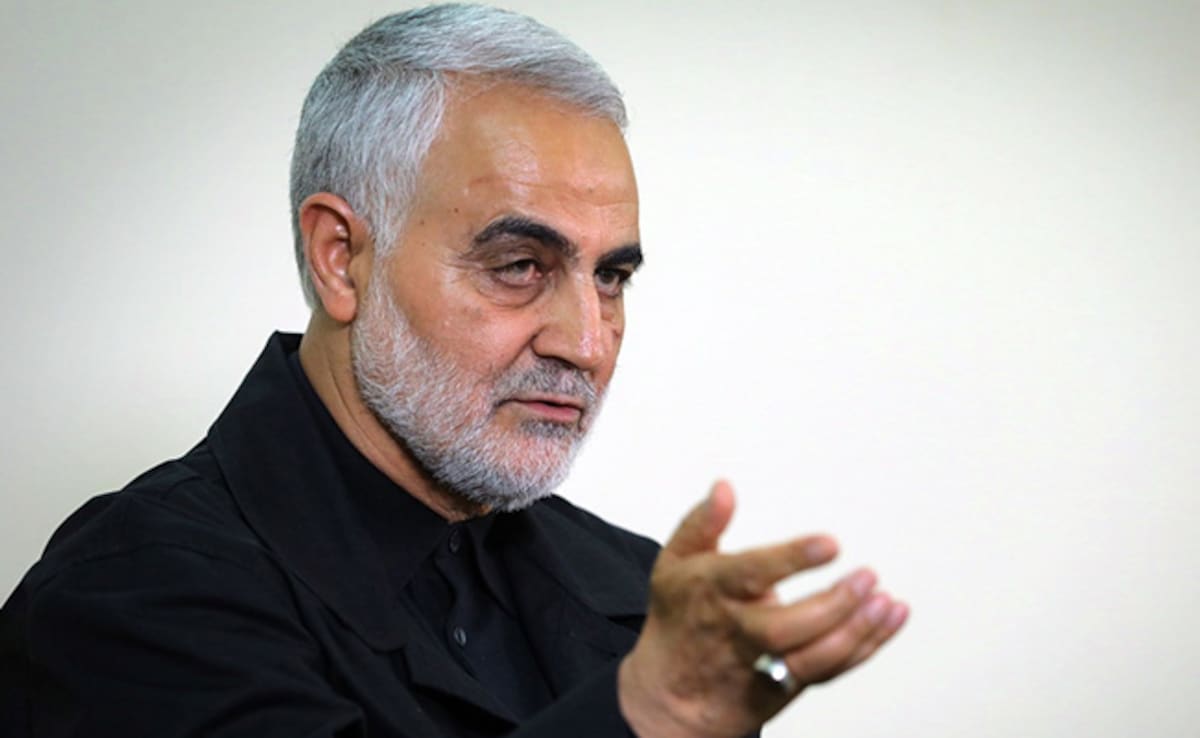
Federal agents moved on a quiet residential pocket of Los Angeles this weekend, signaling a sharp escalation in how the United States handles the relatives of its foreign adversaries. The target: Hamideh Soleimani Afshar, the niece of the late Iranian General Qasem Soleimani. For years, Afshar and her daughter lived as Lawful Permanent Residents, part of a quiet, affluent Iranian diaspora that occasionally blurred the lines between private life and political allegiance. That life ended Saturday when Secretary of State Marco Rubio stripped their legal status, leading to their immediate detention by Immigration and Customs Enforcement (ICE).
This is not a routine immigration enforcement action. It is a calculated strike in an expanding diplomatic and kinetic war. The termination of green cards for family members of the Iranian elite marks a departure from standard "individual-guilt" legal frameworks. Instead, the administration is treating residency as a strategic asset that can be weaponized or revoked at will.
The Social Media Trail and the Lavish Lifestyle
The State Department did not hide its reasoning. Officials pointed directly to Afshar’s digital footprint as the catalyst for her arrest. While living in a city synonymous with Western excess, Afshar allegedly used her social media platforms to praise the Islamic Revolutionary Guard Corps (IRGC) and celebrate strikes against American military facilities.
Journalists tracking the "Aghazadeh" phenomenon—the children and relatives of Iranian officials living high-end lives abroad—have long noted the friction between their public rhetoric and private luxury. Afshar’s Instagram reportedly featured a blend of high-fashion lifestyle posts and hardline political commentary. This duality became untenable as the U.S. and Israel launched large-scale military operations against Iran in February 2026.
The message from Foggy Bottom is clear. You cannot enjoy the protections and economic stability of the United States while cheering for the forces trying to dismantle them. By revoking the status of Afshar and her daughter, the government is signaling that "political neutrality" is no longer a shield for those with direct blood ties to the IRGC leadership.
Broadening the Dragnet
Afshar is the most prominent name, but she is not the only one. Earlier this month, the administration revoked the status of Fatemeh Ardeshir-Larijani, the daughter of Ali Larijani, former secretary of Iran’s Supreme National Security Council. Larijani was killed by Israeli forces just weeks ago, and his daughter’s subsequent expulsion underscores a new policy of total exclusion for the families of the "old guard."
This strategy hits the Iranian leadership where they are most vulnerable: their families' futures. For decades, the Tehran elite have sent their children to Western universities and parked their wealth in California real estate. By turning these relatives into "removable aliens," the U.S. is effectively liquidating the Iranian regime's backup plan.
Legal Precedent or Political Theater
Critics of the move argue that revoking Lawful Permanent Resident status based on social media speech and family association sets a dangerous precedent. Under typical circumstances, a green card holder has significant due process rights. However, the State Department is leveraging "national security" exceptions that have been widened significantly during the current conflict.
The administration’s legal theory rests on the idea that these individuals provide "non-material support" through propaganda or act as potential sleepers for intelligence services. Whether these claims hold up in a federal court is almost secondary. The immediate goal is the physical removal of these individuals from U.S. soil. The husband of Hamideh Soleimani Afshar has already been barred from reentry, effectively severing the family’s ties to their American holdings.
The Business of Targeted Expulsion
The economic fallout of these revocations is substantial. The "Tehrangeles" economy involves billions in real estate and private equity. When high-profile residents are detained and slated for removal, their assets often fall into legal limbo. We are seeing a "shadow freeze" on accounts and properties linked to these families.
Banks, fearful of being caught in the crossfire of sanctions or "aiding" the relatives of designated terrorists, are preemptively closing accounts. This creates a ripple effect throughout the Iranian-American business community. Even those with no ties to the regime are finding themselves under increased scrutiny as the definition of "related party" continues to expand in federal ledgers.
The Road to Deportation
The process for Afshar and her daughter will be swift. Because their status was terminated via a direct order from the Secretary of State citing national security, the standard multi-year appeals process in immigration court is likely to be bypassed or severely truncated. They are currently being held in an undisclosed ICE facility.
This move serves as a final warning to the remaining "principled" families still residing in the West. The era of the "transnational elite" who could move between Tehran and Los Angeles with impunity has ended. As the war moves into its second month, the domestic front is being cleared of anyone whose presence is deemed a liability to the national interest.
The administration is betting that the psychological impact on the IRGC commanders—knowing their families are being hunted and deported—will outweigh any domestic legal backlash. It is a high-stakes gamble that turns the American immigration system into an auxiliary wing of the Pentagon.
Afshar’s detention is the beginning of a wider purge. The dossiers are already open on dozens of other relatives of the Iranian political class. If you are an Iranian national with a green card and a history of hardline rhetoric, your time in the United States is officially on a countdown.
The quiet suburbs of Southern California have become the newest battleground.