You’ve seen the headlines about food inflation. It’s the kind of slow-burn crisis that makes you double-check the price of eggs every single Wednesday. While most central banks were busy tweaking interest rates and hoping for the best, Greece tried something different. They didn't just wait for the "invisible hand" of the market to fix things. They built a "Household Basket."
If you think this was just another government handout, you're wrong. It wasn't about giving money away. It was about psychological warfare against price gouging. By the time 2025 rolled around, Greek inflation was dipping toward 1.8%, while other Eurozone heavyweights were still struggling with sticky food costs.
The mechanics of the basket
The "Household Basket" (or Kalahti tou Noikokyriou) isn't a physical box of groceries. It’s a digital and regulatory framework. The Greek Ministry of Development basically told every supermarket chain with a turnover above €90 million that they had to play ball.
Each week, these stores must pick at least 51 categories of essential goods. We’re talking about the basics: flour, milk, pasta, eggs, even pet food and baby formula. The stores then select specific products within those categories to keep at "sheltered" prices.
They have to send this list to the government every Wednesday. If they don't? Fines range from €1,000 to €50,000. It’s not a suggestion. It’s a mandate.
Why this worked when price caps failed
Most economists hate price caps. They usually lead to shortages because suppliers simply stop providing the goods if they can't make a profit. Greece was smarter. They didn't set a hard price limit for the whole country.
Instead, they forced competition.
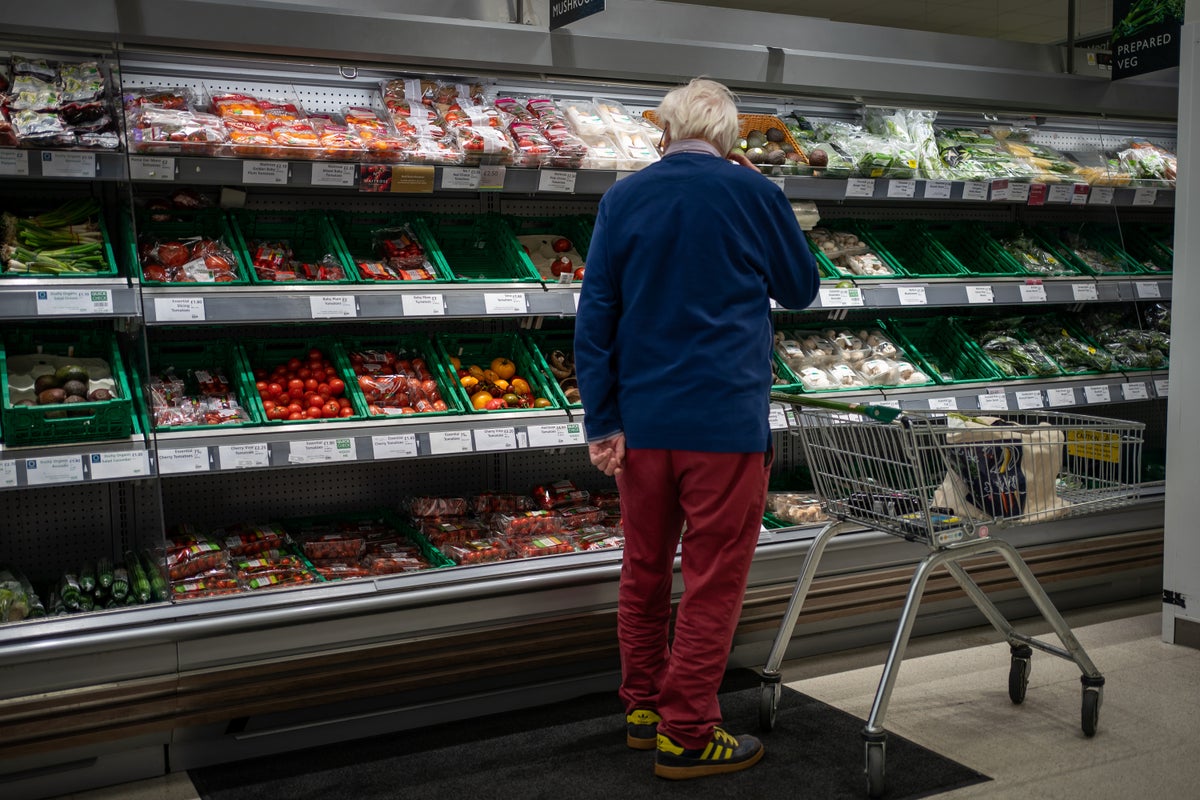
Every Wednesday morning, the "e-Katanalotis" platform updates. You can pull up your phone and see exactly which supermarket has the cheapest "basket" that week. It turned grocery shopping into a transparent competition. Supermarkets realized that if their basket was the most expensive, they’d lose the foot traffic for the entire store.
People come for the cheap milk and stay to buy the high-margin steak. By squeezing the margins on the essentials, the government forced retailers to eat some of the inflation costs themselves rather than passing 100% of it to you.
The psychological shift
Inflation is often a self-fulfilling prophecy. If you expect prices to go up, you buy now, which drives prices up. The basket broke that cycle. It gave people a "safe zone." Even if the premium organic olive oil was skyrocketing, you knew there was a specific bottle of oil in that basket that wouldn't ruin your budget.
Data from the IMF and OECD shows that while core inflation remained "sticky" due to service costs and energy, the specific items in the basket often saw price drops or freezes that outperformed the general market. It protected the lowest-income deciles—the people who spend 20% or more of their income just on food and utilities.
Lessons for the rest of us
Critics say the basket is "neoliberal-lite" or that it just pushes supermarkets to hike prices on non-basket items. There’s some truth to that. If the pasta is cheap, maybe the dish soap gets a 5% bump to compensate.
But for a family living paycheck to paycheck, that trade-off is worth it. You can choose to buy the generic dish soap, but you must buy the pasta.
Other countries are finally taking notes. We’ve seen versions of this discussed in France and parts of Eastern Europe. The takeaway is simple: transparency is a better weapon than subsidies. When you give supermarkets a place to hide their price hikes, they will. When you put a giant blue and red "Basket" sticker on the shelf and list the price on a government app, they have to think twice.
What you can do right now
If you're looking at your own rising grocery bills, you don't have to wait for your government to copy Athens.
- Track the loss leaders. Most stores have "basket-style" items they keep cheap to get you in the door. Learn what they are.
- Use price transparency apps. In the US and UK, apps like Flashfood or Trolley do what the Greek government mandated—they show you where the deals are in real-time.
- Buy the "Basket" equivalent. Stick to the private-label staples that stores use to compete on price.
Greece proved that inflation isn't just an act of God. It's a series of choices made by retailers and distributors. By forcing those choices into the light, they saved their citizens millions. It's time the rest of the world stopped overthinking the "market" and started protecting the pantry.