What happens when a trusted community doctor turns out to be something else entirely? In Montgomery, Alabama, that question isn't a hypothetical. It's a scar on the local healthcare landscape. For years, the name Gilberto Sanchez Montgomery AL was synonymous with "Family Practice," a clinic on Atlanta Highway where people went for help. But the reality behind those clinic doors was far darker than anyone expected.
Honestly, the sheer scale of the operation was staggering. We aren't just talking about a few loose prescriptions here and there. This was a systematic, multi-million dollar "pill mill" that pumped dangerous opioids into the streets of Montgomery while the owner lined his pockets. You might also find this connected article insightful: The Disgraceful Act of Vandalising James Bulger's Grave and What it Says About Us.
The Rise and Fall of Family Practice
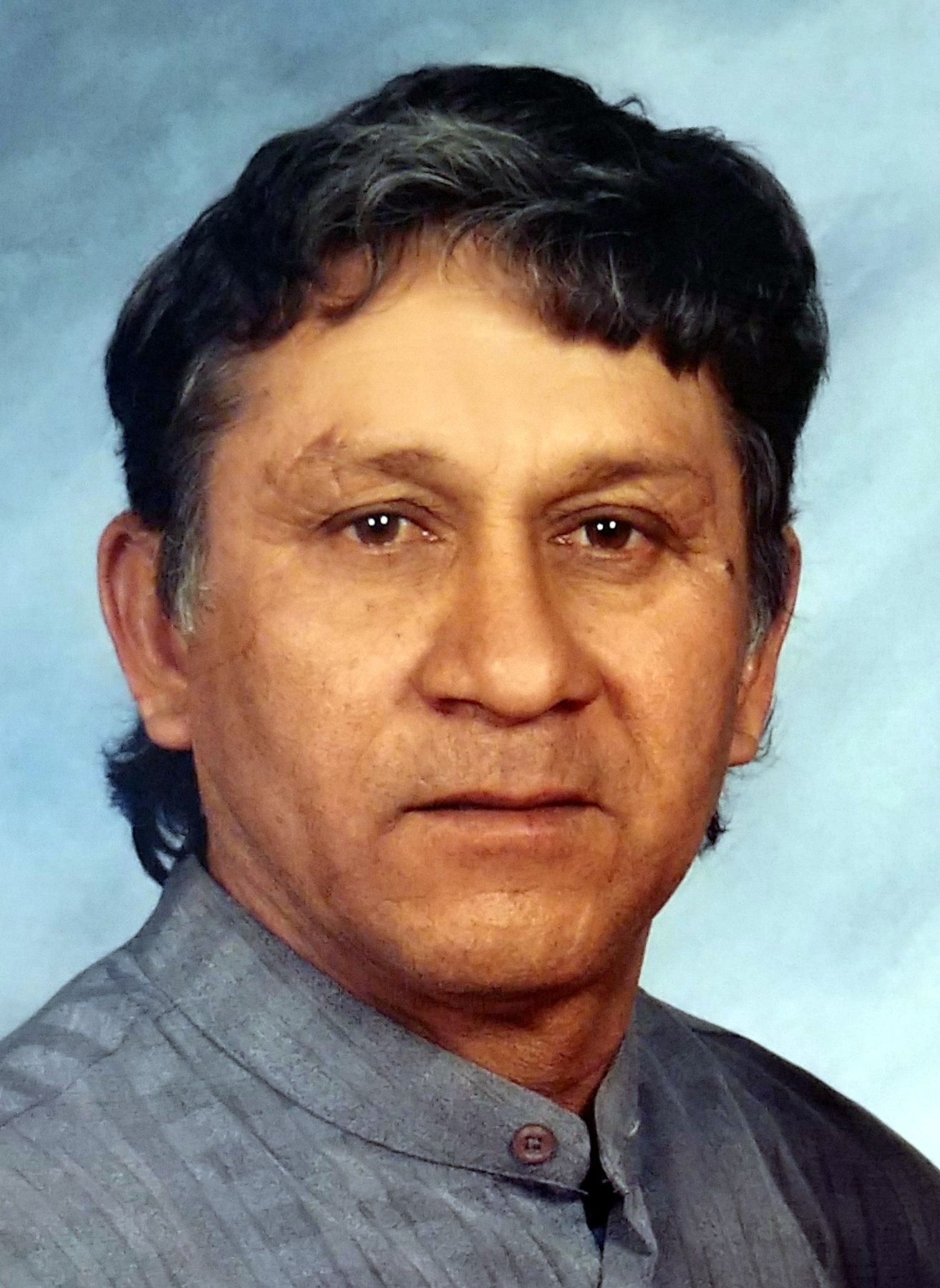
Dr. Gilberto Sanchez was a well-known physician. He owned Family Practice, located at 4143 Atlanta Highway. From the outside, it looked like any other bustling medical office. Inside? Not so much. Federal prosecutors eventually revealed that the clinic was basically a distribution hub for controlled substances.
You've probably heard the term "pill mill" before, but what did it actually look like at Sanchez’s office? It was chaos. Patients were reportedly lined up along the walls and sitting on the floor, waiting for their turn to get a script they didn't actually need. As extensively documented in latest coverage by USA Today, the results are widespread.
- Oxycodone and Hydrocodone: The bread and butter of the operation.
- Fentanyl: One of the most dangerous substances on the market.
- Adderall and Xanax: Often prescribed in combinations that made no medical sense.
The scheme wasn't just about the drugs, though. It was about the money. Sanchez and his crew required patients to come in for monthly physical exams just to get their refills. These exams were a total sham. They weren't medically necessary because the patients didn't have legitimate conditions requiring the drugs in the first place. But by forcing these visits, Sanchez could bill Medicare, Medicaid, and private insurance companies for millions.
The Takedown and the Charges
The end came in August 2017. Imagine a Tuesday morning in Montgomery: DEA agents in tactical gear swarming the parking lot of a local doctor's office. That’s how it went down. Sanchez was hauled away in handcuffs, and the clinic was shuttered.
By November 2017, Gilberto Sanchez pleaded guilty in federal court. He didn't just go down for one thing; he copped to a laundry list of crimes:
- Drug Distribution Conspiracy: Operating the clinic as a front for drug dealing.
- Health Care Fraud: Billing insurance for those fake monthly check-ups.
- Money Laundering: Spending the "dirty" money on personal luxuries, like a high-end vehicle and a residence in Montgomery.
It’s kinda wild to think about the audacity. While patients were struggling with addiction, he was using the proceeds to buy property. The court documents were pretty clear—this wasn't a mistake or a doctor who got in over his head. It was a calculated business model.
Why Gilberto Sanchez Montgomery AL Matters Today
You might be wondering why we're still talking about a case from several years ago. Well, the ripple effects are still being felt. When Family Practice closed, it left hundreds of patients—many of whom had been kept on high doses of opioids—suddenly without a doctor or a plan.
The "unfortunate saga" (as the Medical Association of the State of Alabama called it) highlighted a massive gap in the system. Who takes care of the patients when a "pill mill" doctor goes to jail? These people were vulnerable. Many had genuine addictions fostered by the very person who was supposed to be treating them.
The Legal Fallout for Others
Sanchez wasn't a lone wolf. The investigation, led by the DEA’s Tactical Diversion Squad and the IRS, eventually took down a whole network of healthcare providers who worked for him.
- Dr. Shepherd Odom: Sanchez's former partner, who also pleaded guilty.
- Nurse Practitioners: Several NPs, including Lillian Akwuba and Elizabeth Cronier, were charged for their roles in writing illegitimate scripts.
- The Counselor: Johnnie Chaisson Sanders, a licensed counselor, was even involved. Sanchez would tell patients the DEA required them to see her for mental health counseling before they could get meds. (Spoiler: The DEA has no such rule). They'd bill the insurance and take cash from the patient. Basically, they got paid twice.
The Sentence and Its Impact
In August 2018, Judge Myron Thompson handed down the sentence: 145 months in federal prison. That’s 12 years and one month.
The judge was blunt. He pointed out that Sanchez took a "significant toll" on the lives of his patients and employees. He noted that many patients were "unusually vulnerable" due to their addictions. The U.S. Attorney at the time, Louis Franklin, called him a "white coat criminal" who "poured poison into this community."
Appeals and the COVID-19 Request
Sanchez didn't just sit quietly in prison. In 2020 and 2021, he made headlines again when he tried to get out early. Like many federal inmates during the pandemic, he filed for "compassionate release," citing the risk of COVID-19 in prison and his own underlying health issues.
The 11th Circuit Court of Appeals wasn't having it. They upheld the district court's denial. The courts basically said that because he had served so little of his sentence for such a serious crime—and because his medical conditions didn't prevent him from caring for himself in prison—he was staying put.
Actionable Insights: Lessons from the Case
Looking back at the Gilberto Sanchez Montgomery AL case isn't just about true crime; it’s about understanding the red flags in the medical system. If you or someone you know is seeking treatment for pain or chronic conditions, keep these things in mind:
- Question the "Monthly Requirement": If a doctor demands a full physical exam every single month just for a refill of a maintenance med, that's a red flag. Legitimate doctors monitor patients, but they don't usually use the DEA as an excuse for redundant billing.
- The "Pill Mill" Vibe: Trust your gut. If the waiting room is overflowing with people who look incoherent or if the doctor spends 30 seconds with you before writing a script for fentanyl, get out.
- Check Medical Records Early: One of the biggest issues for Sanchez's patients was getting their records after the raid. Always keep copies of your own medical history. Don't rely on the clinic to stay open forever.
- Verify DEA "Requirements": If a doctor claims the DEA "mandates" a specific third-party service (like the counseling scam Sanchez ran), you can actually check those regulations online or ask for the specific policy in writing.
The Sanchez case remains one of the largest medical fraud and drug distribution cases in Alabama history. It serves as a stark reminder that a medical license isn't a "get out of jail free" card—it’s a responsibility that, when broken, can destroy an entire community.