You’ve just stumbled out of Vault 101. The sun is blinding, the air is radioactive, and your dad is missing. Honestly, the first thing you probably want isn’t a grand adventure—it’s a place to sleep that isn't a radioactive puddle. That brings us to the Fallout 3 Megaton house, arguably the most iconic player home in the entire franchise. It's a rusted-out shack sitting on the upper rim of a crater, but in the Capital Wasteland, it’s basically a five-star penthouse.
Getting it isn't exactly a gift. You have to earn it by dealing with the giant, unexploded nuclear bomb sitting in the center of town. Lucas Simms, the town's sheriff and "mayor," is the guy you need to talk to. If you have a high enough Explosives skill—25 is the magic number—you can offer to disarm the bomb. If you enjoyed this post, you should read: this related article.
Success gets you the deed. Failure? Well, failure isn't really an option unless you just ignore it or decide to go the "evil" route with Mr. Burke.
The Bare Bones of the Megaton House
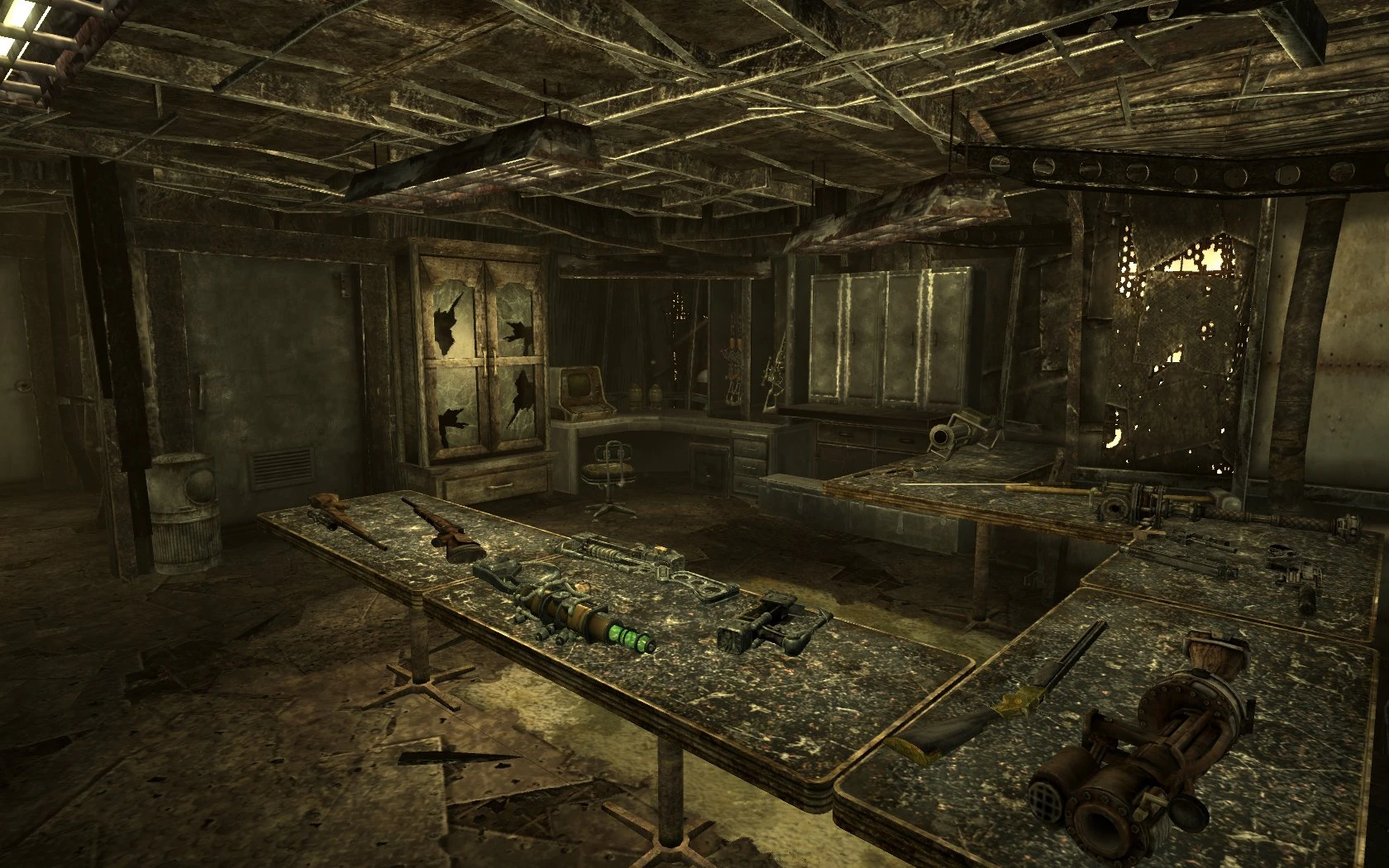
The Fallout 3 Megaton house is technically called the "My Megaton House" in your inventory once you get the key. It’s a two-story structure located near the entrance of Megaton. When you first walk in, it's depressing. There’s a robot butler named Wadsworth, some metal shelves, and a lot of dust. For another look on this story, see the recent update from The New York Times.
Wadsworth is the MVP here. He provides purified water, tells jokes that are objectively terrible, and can even give you a haircut. It's weirdly comforting to have a robotic voice greet you after fighting off Super Mutants in the ruins of D.C. He’s more than a servant; he’s the only thing making that metal box feel like a home.
You’ll notice a terminal and some storage containers. Unlike random boxes in the wasteland, the containers in your house are safe. They won't "reset." You can dump 400 pounds of scrap metal and pre-war books in there, and they’ll stay there forever. That’s the real value. It’s your base of operations.
Customizing Your Space
You don't have to live in a dump. Moira Brown over at Craterside Supply sells "themes" and "house improvements." These aren't cheap. If you’re playing on a budget, you’ll be scavenging for caps for a while.
The themes change the entire aesthetic. You’ve got the Pre-War theme, which makes things look weirdly clean and suburban. The Science theme adds beakers and high-tech equipment. Then there’s the Raider theme, which is basically just hanging corpses and spikes—sorta grim, but hey, it's the apocalypse. Most players lean toward the Explorer or Vault themes because they fit the vibe of a wanderer.
- Infirmary: This is the most important upgrade. It heals your health and, more importantly, removes radiation. In a game where every sip of water gives you +2 Rads, this is a lifesaver.
- Laboratory: This one heals addictions. If you’ve been leaning too hard on Psycho or Med-X to survive encounters, the lab is your best friend. It also produces random chems every few days.
- Workbench: Essential for crafting custom weapons like the Rock-it Launcher or the Shishkebab.
The Choice: Megaton vs. Tenpenny Tower
There is a massive catch. You can't have the Fallout 3 Megaton house if you blow the town up.
Mr. Burke, a shady guy in a suit sitting in Moriarty's Saloon, offers you a different deal. He wants you to rig the bomb to explode. If you do this, you get a suite at Tenpenny Tower. It’s fancier, sure. It has a balcony and a view of the wasteland. But you lose Megaton. You lose Moira (unless she survives as a ghoul). You lose the central location.
Most long-time players argue that the Megaton house is superior because of its geography. Megaton is right in the middle of the map. Tenpenny Tower is tucked away in the southwest corner. Fast-traveling back to Megaton to drop off loot is just more efficient. Plus, the community in Megaton feels alive. Tenpenny Tower feels sterile and full of people who want to kick you out.
It’s a moral crossroads that defines your entire playthrough. Do you want to be the savior of a struggling junk town or the guy who vaporized it for a better view and some caps?
Small Details Most People Miss
Did you know the bobblehead stand is unique to your player home? As you find those small Vault-Tec figurines hidden across the map, you can display them on the stand in your bedroom. Each one gives you a permanent stat boost. Seeing that stand fill up is one of the most satisfying progression markers in the game.
Another thing—Wadsworth can actually help in a pinch. While he stays in the house, his ability to produce purified water resets every few in-game days. If you're playing on a harder difficulty or just trying to save caps on stimpaks, hoarding that water is a legitimate strategy.
The lighting in the house also changes based on the time of day. It sounds minor, but in 2008, that kind of environmental detail made the Fallout 3 Megaton house feel like a real place. The clanking of the metal floors and the hum of the wind outside the walls really sell the atmosphere.
Dealing With the "Empty" Feeling
Early on, the house feels hollow. You have all these shelves and no decorations. Pro tip: you can manually move items in the game by holding the "grab" button (Z on PC, usually the right stick or a shoulder button on consoles).
It’s tedious. It’s finicky. But placing Nuka-Cola trucks, pristine Teddy Bears, and lunchboxes on your shelves makes the space yours. Some people spend hours decorating their desks with pre-war money and coffee mugs. It’s the "The Sims" element of Fallout that nobody talks about but everyone does.
Why It Still Matters Today
Even with Fallout 4’s robust base-building and Fallout 76’s C.A.M.P. system, the Fallout 3 Megaton house holds a special place in gaming history. It was one of the first times a Western RPG gave you a "safe" anchor point that felt earned. It wasn't just a menu or a fast-travel point; it was a physical location in a world that otherwise wanted you dead.
There’s a sense of ownership there. You remember exactly which locker holds your unique weapons and which one holds your crafting components. You remember the exact sound Wadsworth makes when he floats toward you.
Maximizing Your Investment
If you’re starting a new save, don't rush into buying the themes. Focus on the Infirmary first. The caps you save on doctors and RadAway will eventually pay for the rest of the upgrades.
Also, keep an eye on your Explosives skill. If you try to disarm the bomb and fail because you used a Mentat that wore off mid-dialogue, you might lock yourself out of the quest. Save before you touch the bomb. It’s a simple rule, but the wasteland is unforgiving.
Once you have the house, use the lockers by the door for "immediate" items like ammo and health supplies. Use the cabinets upstairs for "long-term" storage like armor sets you aren't using or quest items you're saving for later. Organization saves you hours of real-world time over a 60-hour playthrough.
Actionable Next Steps for Your Playthrough
- Check your Explosives skill. If it’s under 25, head to the School in Springvale or find some Mentats to boost your Perception and Skill level temporarily.
- Talk to Lucas Simms immediately upon entering Megaton. Don't wander off and accidentally trigger a quest that might get him killed.
- Disarm the bomb. Get the key and the 100-500 caps (depending on your Barter skill/speech checks).
- Visit Moira Brown and prioritize buying the Infirmary. It is the single most important utility in the game.
- Collect your first Purified Waters from Wadsworth. Do this every time you return to the house to build a stockpile.
- Find the Strength Bobblehead in Lucas Simms’ house. It’s right there in Megaton. Putting it on your new stand is the perfect "housewarming" gesture.
The Megaton house isn't just a pile of scrap metal. It's your first real win in a world that’s lost almost everything. Make it count.