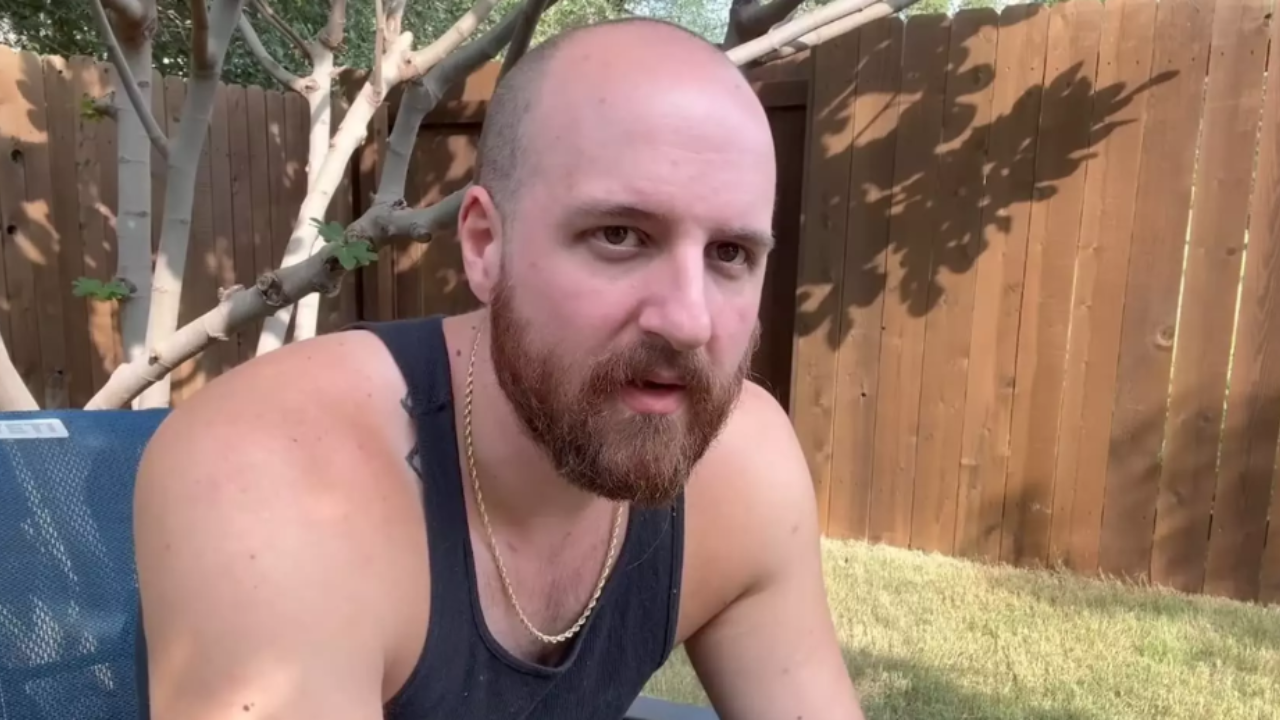
The suspension of high-reach creators like Tectone from YouTube highlights a systemic misalignment between algorithmic enforcement and the preservation of creator equity. When a platform triggers a seven-day ban, it is not merely issuing a disciplinary slap; it is executing a temporary asset seizure that disrupts the creator’s feedback loop, algorithm authority, and revenue stream. This specific incident involving Tectone—predicated on a "harassment" strike—reveals the widening gap between a platform's need for brand safety and a creator's requirement for clear, predictable operational boundaries.
The friction here originates from the "Over-Sanitization Paradox." As platforms automate moderation to achieve a 0% error rate for advertisers, they inevitably increase the "false positive" rate for creators who operate in high-engagement, high-conflict niches. This trade-off prioritizes the short-term stability of the ad-buying ecosystem over the long-term health of the talent pool.
The Triad of Platform Enforcement Logic
To understand why Tectone’s ban occurred and why his "over-sanitized" critique resonates, we must deconstruct platform governance into three distinct operational pillars.
1. The Ad-Safety Threshold
Advertisers operate on a risk-aversion model. A platform's primary goal is to ensure that a 30-second spot for a Fortune 500 company does not appear adjacent to content that could be interpreted as hostile or toxic. This necessitates a broad-spectrum definition of "harassment." In Tectone’s case, the content likely crossed a threshold where the automated sentiment analysis flagged aggressive interpersonal rhetoric. The nuance of "transformative commentary" or "gaming community banter" is frequently lost in this binary pass/fail filter.
2. The Liability Shield
Under Section 230 and similar global frameworks, platforms maintain immunity by demonstrating proactive moderation. However, the volume of content uploaded (over 500 hours per minute on YouTube) makes human oversight impossible at the first point of contact. The result is a "guilty until proven innocent" workflow. A strike is issued immediately; the human appeal process—if it exists—is a lagging indicator. For a creator, the seven-day blackout period is a non-recoverable loss of momentum that the platform views as an acceptable margin of error.
3. The Algorithmic Recalibration
The most severe damage from a one-week ban is not the lost ad sense; it is the decay of the "Channel Health Score." YouTube’s recommendation engine favors consistency. A week of zero activity signals the algorithm to stop prioritizing the channel’s notifications and home-page placements. Upon return, a creator often faces a 20% to 40% reduction in baseline viewership for several weeks as they re-prime the engine.
Quantifying the Cost of Discretionary Moderation
The ambiguity in YouTube’s community guidelines creates a "Risk Premium" for creators. If a creator cannot define the exact boundary of "harassment" versus "criticism," they must either self-censor or accept a high probability of intermittent deplatforming. Tectone’s claim that the platform is "over-sanitized" is a qualitative observation of a quantitative shift: the shrinking of the "Safe Operation Zone."
We can model the impact of these enforcement actions through three primary variables:
- Direct Revenue Attrition: The immediate loss of CPM-based earnings, memberships, and integrated sponsorships during the blackout.
- Audience Migration Risk: The probability that a portion of the viewer base will permanently pivot to a competitor (Twitch, Kick, or Rumble) during the outage.
- Operational Anxiety: The psychological and strategic cost of managing a business on "borrowed land" where the rules of engagement are subject to unannounced change.
Tectone’s shift toward a multi-platform strategy is a rational economic response to this volatility. By diversifying his presence across Kick or X (formerly Twitter), he is effectively hedging against the single-point-of-failure risk inherent in the YouTube ecosystem.
The Mechanism of the Harassment Strike
YouTube’s definition of harassment has evolved from "targeted threats" to "prolonged personal attacks." This creates a bottleneck for creators in the "drama" or "commentary" sectors. The mechanism usually follows a specific sequence:
- Mass Reporting as a Weapon: Competitive fanbases or disgruntled subjects use the reporting tool to trigger an automated review. If the volume of reports spikes within a 24-hour window, the system is more likely to issue a proactive strike to mitigate potential PR risk.
- Contextual Blindness: The AI identifies keywords or aggressive tones but cannot distinguish between a creator defending themselves and a creator initiating an unprovoked attack.
- The Strike Ladder: A first strike results in a one-week ban; a second, two weeks; a third, permanent termination. This "Three Strikes" system operates on a rolling 90-day window, forcing creators into a period of extreme conservatism following any initial enforcement action.
This system fails to account for the "React Culture" dominant in the 2026 gaming landscape. If a creator like Tectone reacts to a video that is itself a critique, the ensuing back-and-forth is often flagged as harassment, regardless of the original context.
Strategic Divergence: The Creator’s Counter-Move
Tectone’s response—publicly criticizing the platform and threatening a shift in focus—is a power play designed to leverage his audience as a pressure group. However, the structural reality is that YouTube holds the monopsony on long-form video search and discovery.
Creators seeking to survive this "sanitization" trend must adopt a specific structural defense:
Layered Content Distribution
Creators must treat YouTube as a "Discovery Funnel" rather than a "Community Hub." The high-risk, unpolished, or aggressive content—the very thing Tectone argues is being erased—must be moved to "Anti-Fragile" platforms.
- Tier 1 (YouTube): Highly edited, sanitized, and "brand-safe" content optimized for the algorithm.
- Tier 2 (Live Platforms): Raw engagement on platforms with more permissive moderation (e.g., Kick), where the creator retains 95% of sub revenue.
- Tier 3 (Direct-to-Consumer): Discord, newsletters, or private sites where the platform cannot sever the connection between creator and fan.
The "Shield" Entity
High-profile creators are increasingly moving toward formalizing their legal representation not just for contracts, but for "Platform Relations." Having a dedicated contact at the platform level (a Partner Manager) is no longer sufficient, as these managers are often sidelined by the "Trust and Safety" departments. The move is toward aggressive, preemptive legal appeals that challenge the "Harassment" label through the lens of fair use and transformative commentary.
Structural Forecast of Platform Evolution
The friction seen in the Tectone ban is a precursor to a bifurcated internet. We are moving toward a dual-ecosystem model:
- The Sanitized Mainstream: Platforms like YouTube and Instagram will continue to tighten moderation to attract premium ad dollars, effectively becoming the "New Television." These platforms will be dominated by highly produced, low-risk content.
- The Unfiltered Perimeter: Platforms like Kick, X, and decentralized protocols will absorb the "high-friction" creators. These platforms will monetize through direct fan support and "gray-market" advertising (gambling, crypto, etc.) rather than traditional corporate sponsors.
Tectone is not just an isolated case of a banned streamer; he is a data point in the migration of the "Edgy Creator" demographic out of the mainstream ad-supported web. This migration will lead to a significant "Braindrain" of authentic personality-driven content from YouTube, eventually forcing the platform to decide if its algorithm can survive on a diet of purely "safe" content.
The immediate strategic move for any creator in Tectone’s position is the immediate "Shadow-Archiving" of all content and the aggressive redirection of the most loyal 10% of the audience to a platform that lacks a centralized kill-switch. The era of the "Single-Platform Creator" is dead; the era of the "Sovereign Content Entity" has begun.