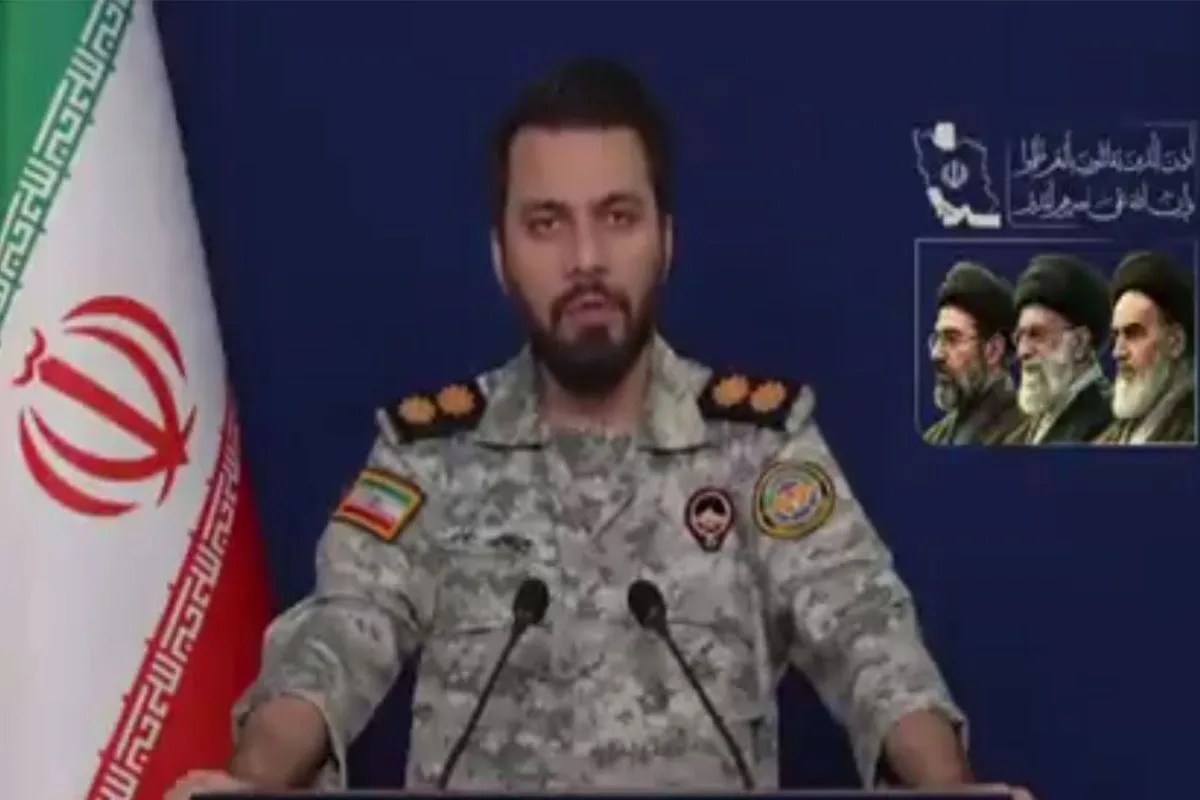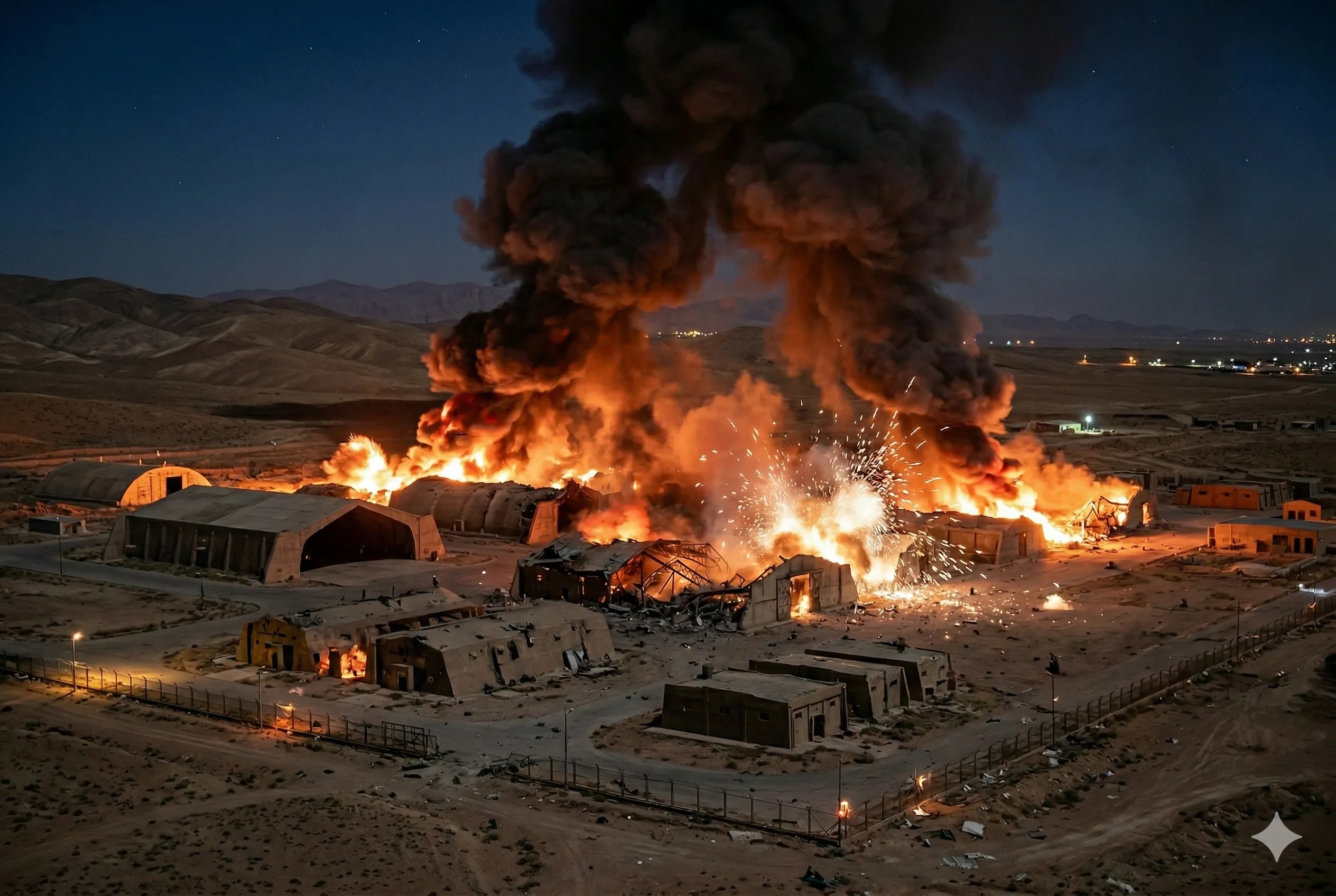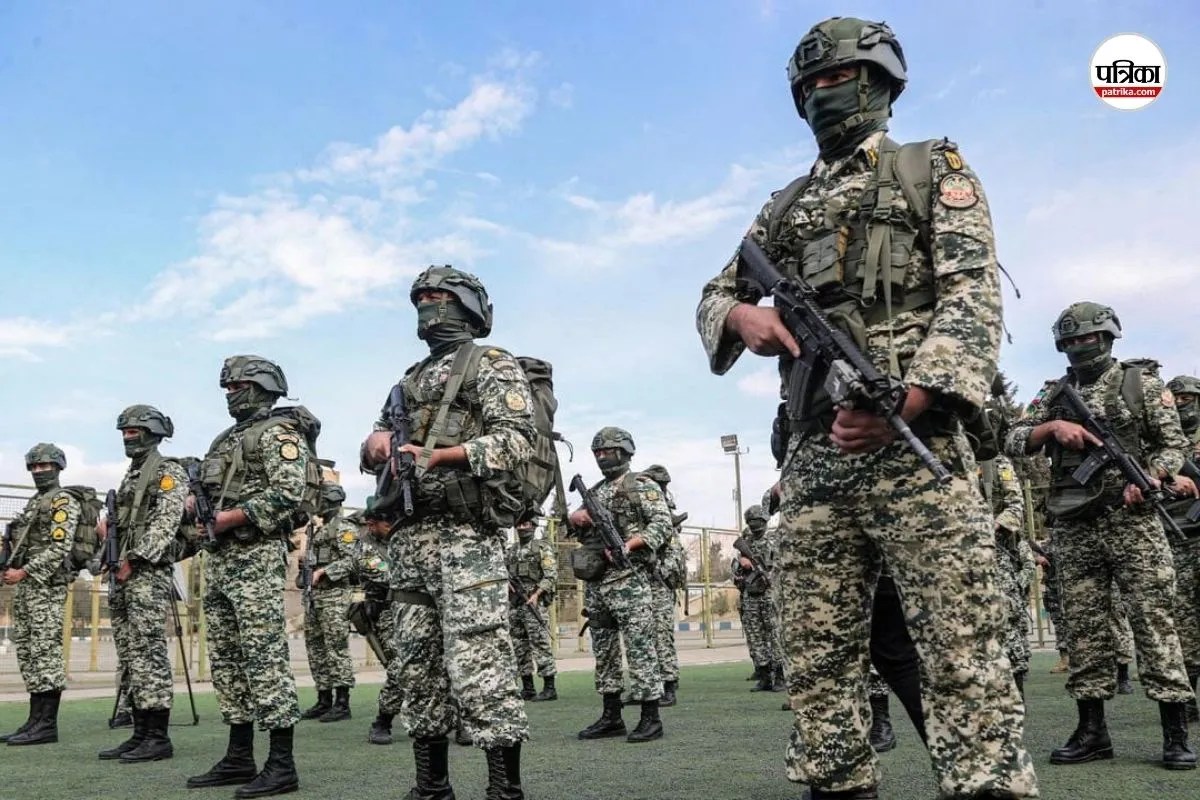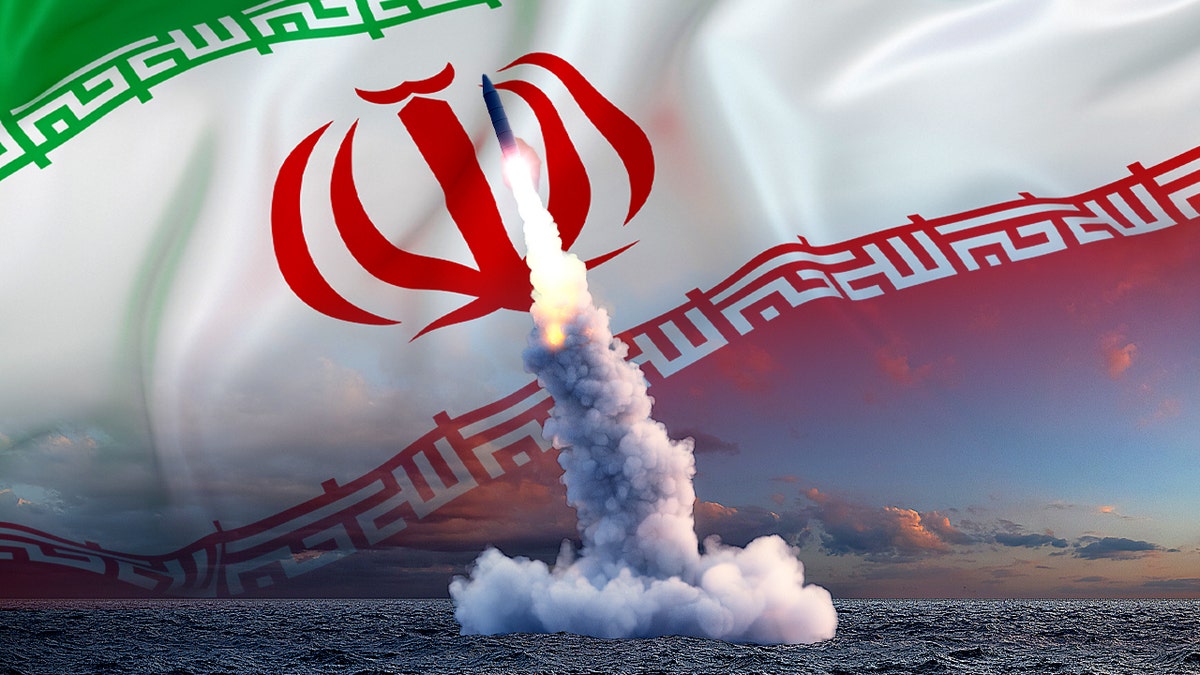
The strategic logic governing the Iranian nuclear program has shifted from a tool of diplomatic leverage to a fundamental survival mechanism. As conventional deterrence—specifically the "Axis of Resistance"—undergoes systemic degradation, the cost-benefit analysis within Tehran’s decision-making apparatus increasingly favors a rapid transition toward weaponization. This shift is not a matter of ideological fervor but a calculated response to the collapse of regional security architectures and the diminishing returns of shadow warfare.
The Deterrence Deficit and the Pivot to Nuclear Latency
For decades, Iran’s security doctrine rested on three pillars: asymmetric proxy networks, ballistic missile proliferation, and a "hedged" nuclear capability. The current conflict has exposed a critical failure in the first two pillars. When proxy forces are neutralized and conventional missile salvos are intercepted with high efficiency, the state faces a "deterrence deficit." This deficit creates a vacuum that only a nuclear deterrent can fill.
The technical pathway to a weapon involves three specific bottlenecks:
- Fissile Material Accumulation: The transition from 60% enriched uranium to 90% (weapons-grade) is a compressed timeline. The mathematical reality of enrichment dictates that the work required to move from 0.7% (natural) to 4% is far greater than the effort needed to move from 60% to 90%. Tehran has already completed the vast majority of the "separative work units" (SWU) required.
- Weaponization Engineering: This involves the "Manhattan-style" physics—designing a trigger, high explosives, and a frame that can withstand the rigors of atmospheric reentry.
- Delivery Systems: While Iran possesses the missile technology, the integration of a miniaturized warhead remains the final technical hurdle.
The collapse of the Joint Comprehensive Plan of Action (JCPOA) removed the monitoring mechanisms that once provided a "breakout warning." Without the International Atomic Energy Agency (IAEA) having full access to centrifuge manufacturing sites and enrichment data, the global community is operating in a fog of war regarding Iran's true "Breakout Time"—the interval required to produce enough 90% uranium for a single device. Current estimates place this interval at less than two weeks.
The Architecture of Escalation
The risk of a "New Middle East" is defined by the proliferation of nuclear ambitions among neighboring states, specifically Saudi Arabia and Turkey. This is a classic application of the Realist theory of "Security Dilemmas": an increase in one state's security (through nuclearization) leads to an absolute decrease in the security of others, forcing them to respond in kind.
The Saudi Counter-Response
Riyadh has been explicit about its nuclear stance. If Tehran tests a device, the Saudi response will likely follow a "Turnkey Acquisition" model. This involves leveraging financial and diplomatic ties with established nuclear powers to jumpstart a domestic program or, in an extreme scenario, seeking a direct transfer of capability. This creates a multi-polar nuclear environment in the Middle East, which is mathematically less stable than a bipolar (Cold War style) environment.
The Threshold State Trap
Iran currently occupies the status of a "Threshold State." This is a deliberate strategic posture where a nation possesses all the components of a nuclear weapon but refrains from final assembly. This provides the benefits of a deterrent without triggering the immediate kinetic or diplomatic costs of being an "Outlaw State." However, the utility of the Threshold State model is predicated on the assumption that conventional defenses remain viable. As those defenses fail, the pressure to "cross the threshold" becomes an existential imperative.
Economic Resilience vs. Sanctions Saturation
A common analytical error is overestimating the impact of economic sanctions on nuclear decision-making. We must distinguish between "Macro-Economic Health" and "Strategic Resource Allocation." While sanctions have decimated the Iranian Rial and limited foreign direct investment, the regime has successfully insulated its strategic sectors—defense, nuclear, and internal security—from the broader economic malaise.
This "Sanctions Saturation" occurs when a target state has already internalized the maximum possible economic pain. When there are no remaining high-value sanctions to impose, the West loses its primary non-kinetic lever. This leaves only two options: diplomatic concession or military intervention.
The Iranian "Resistance Economy" is built on:
- Shadow Banking Networks: Utilizing third-party intermediaries in Dubai, Turkey, and Southeast Asia to move oil revenue.
- Commodity Bartering: Trading energy products for industrial components and consumer goods, bypassing the SWIFT messaging system.
- Strategic Depth in the East: A pivot toward China and Russia provides a diplomatic shield in the UN Security Council, ensuring that any move toward "snapback" sanctions is neutralized by a veto.
The Kinematics of Military Intervention
The technical complexity of the Iranian nuclear infrastructure makes a "surgical strike" a low-probability success. Unlike the 1981 Israeli strike on Iraq’s Osirak reactor or the 2007 strike on Syria’s Al-Kibar facility, Iran’s program is decentralized, redundant, and deeply buried.
- Fordow Enrichment Plant: Carved into a mountain near Qom, this facility is hardened against even the most advanced bunker-buster munitions, such as the GBU-57 Massive Ordnance Penetrator (MOP).
- Decentralized Manufacturing: Centrifuge components are produced in nondescript industrial workshops across the country, making it impossible to destroy the "means of production" through aerial bombardment alone.
A military campaign intended to stop the nuclear program would require a sustained, multi-week air campaign targeting not just enrichment sites, but power grids, communication nodes, and command centers. Such an escalation would almost certainly trigger a regional conflagration, involving the closing of the Strait of Hormuz—a chokepoint through which 20% of the world’s petroleum liquids pass. The global economic shock of an oil price spike ($150+ per barrel) serves as a "Financial Deterrent" that Iran counts on to prevent Western intervention.
The Failed Logic of Proxy Containment
The belief that degrading Hezbollah or Hamas would force Iran to the negotiating table ignores the internal hierarchy of Iranian interests. The proxies are "expendable assets" designed to provide strategic depth. Their degradation does not weaken the regime's resolve regarding its nuclear program; rather, it increases the value of the nuclear program as the only remaining credible deterrent.
We are witnessing the "Law of Inverse Proportionality" in Middle Eastern security: as Iran’s regional influence through proxies decreases, its perceived need for a nuclear umbrella increases. This creates a paradox for Western policymakers: tactical victories against proxy groups may inadvertently accelerate the nuclear breakout timeline.
Structural Constraints and Strategic Blindspots
The primary limitation of current Western strategy is the reliance on a "Return to JCPOA" framework that is no longer technically viable. The knowledge gained by Iranian scientists during the years of non-compliance cannot be "unlearned." Even if every centrifuge were destroyed, the "Human Capital" of the program remains intact.
Furthermore, the intelligence community faces a "Verification Gap." The move toward advanced centrifuges (IR-6 and IR-9 models) allows Iran to produce more enriched uranium in smaller, more easily concealed spaces. A facility the size of a standard warehouse could now house enough advanced centrifuges to produce a weapon's worth of material in months, making detection through satellite imagery significantly harder.
Strategic Realignment and the Final Move
The path forward requires a transition from "Non-Proliferation" to "Containment and Management." The reality of an Iranian nuclear-capable state—whether it tests a device or remains at the threshold—is the new baseline for Middle Eastern security.
The strategic play is no longer about preventing the capability, but about establishing a "Red Line" framework that is credible and enforceable. This involves:
- Formalizing a Regional Security Umbrella: Providing explicit, binding security guarantees to Gulf allies to prevent a nuclear arms race. This may include the deployment of high-altitude missile defense systems and a permanent naval presence.
- Hard-Coded Kinetic Triggers: Clearly defining the specific technical milestones (e.g., enrichment to 90% or the start of warhead "cold tests") that will trigger an immediate, pre-authorized military response. Ambiguity currently favors Tehran; clarity favors the status quo.
- Intelligence-Led Interdiction: Shifting focus from broad economic sanctions to the granular disruption of the nuclear supply chain. This requires an aggressive, multi-national effort to infiltrate the "front companies" used for procuring specialized high-strength aluminum and carbon fiber.
The Iranian nuclear program is no longer a problem to be solved, but a condition to be managed. The failure to recognize this shift ensures that the West will continue to apply 2015 solutions to a 2026 reality. The window for a diplomatic "grand bargain" has closed; the era of nuclearized regional competition has begun. Tehran’s move toward weaponization is the logical conclusion of a state that perceives its conventional options have been exhausted. The only variable remaining is whether the international community will adapt its deterrence model before the first test occurs or after.