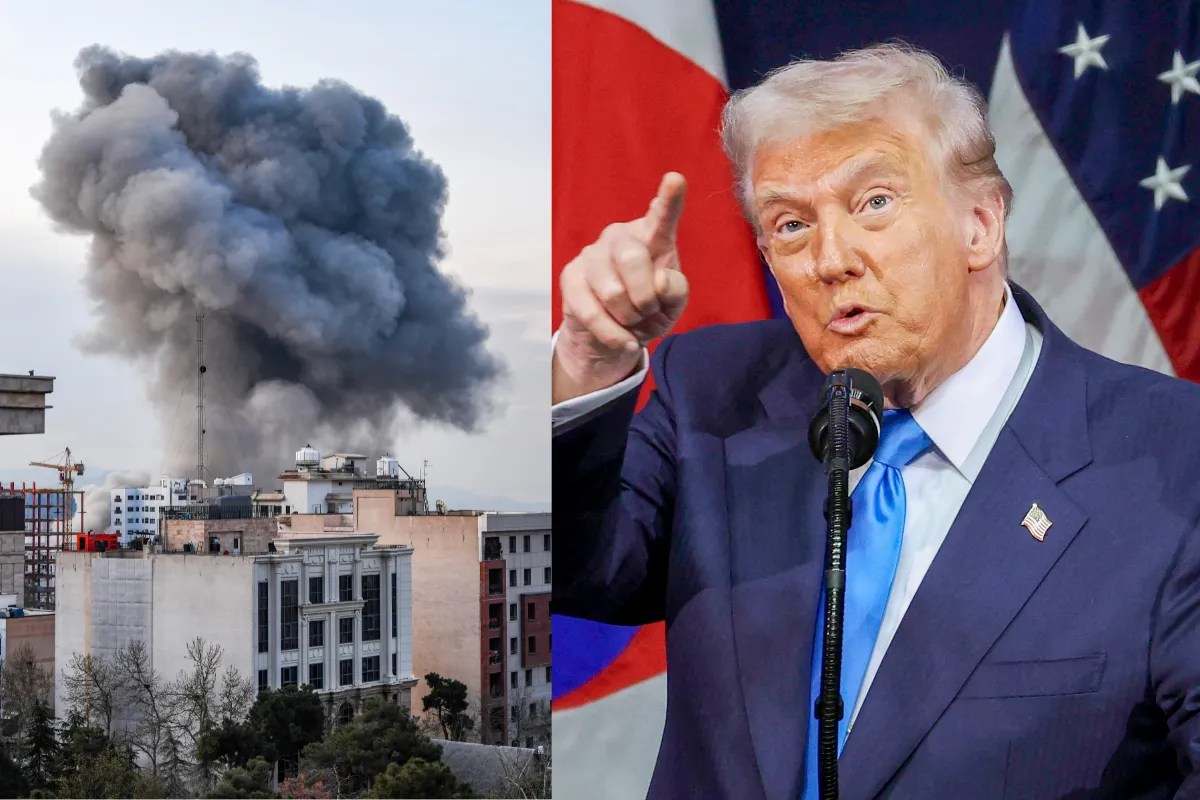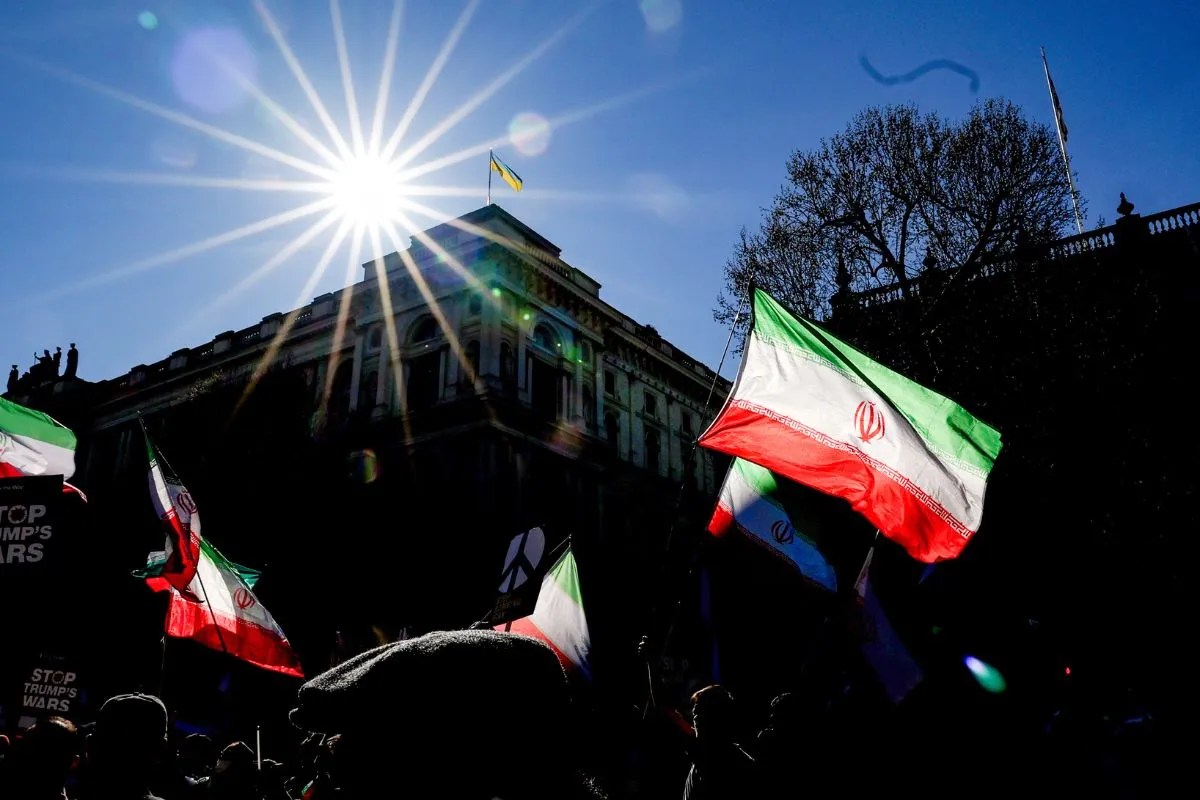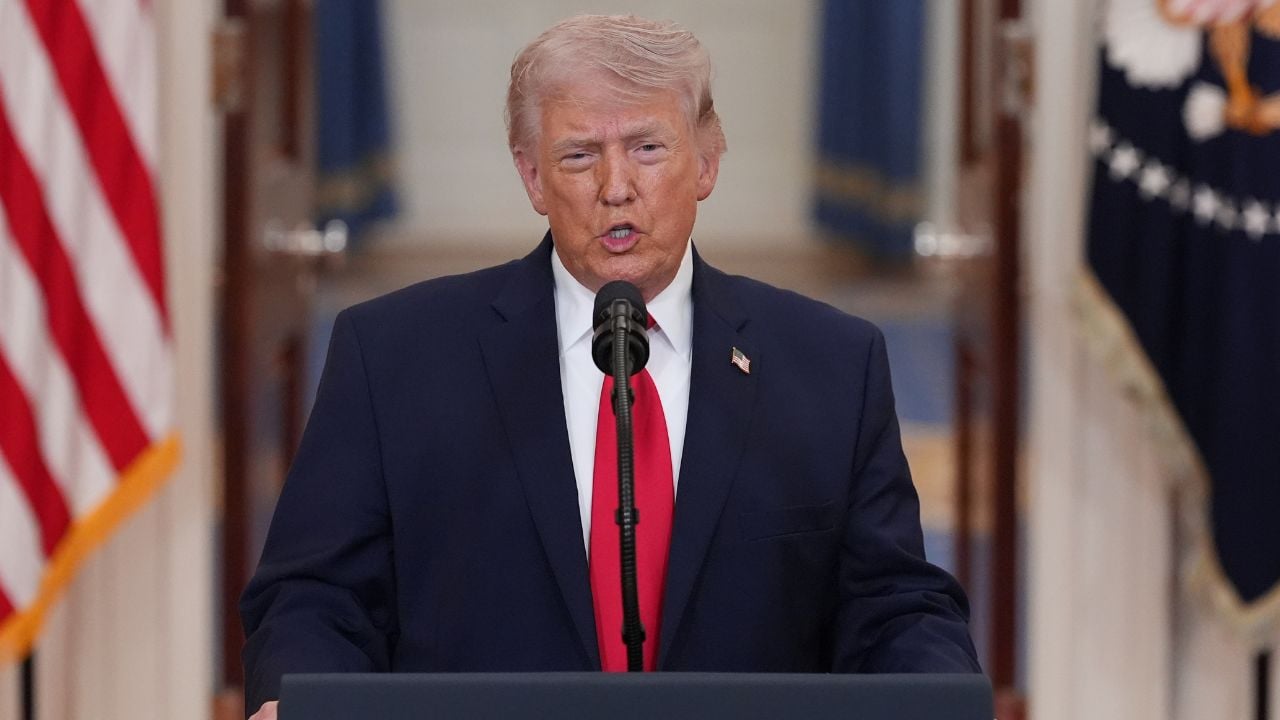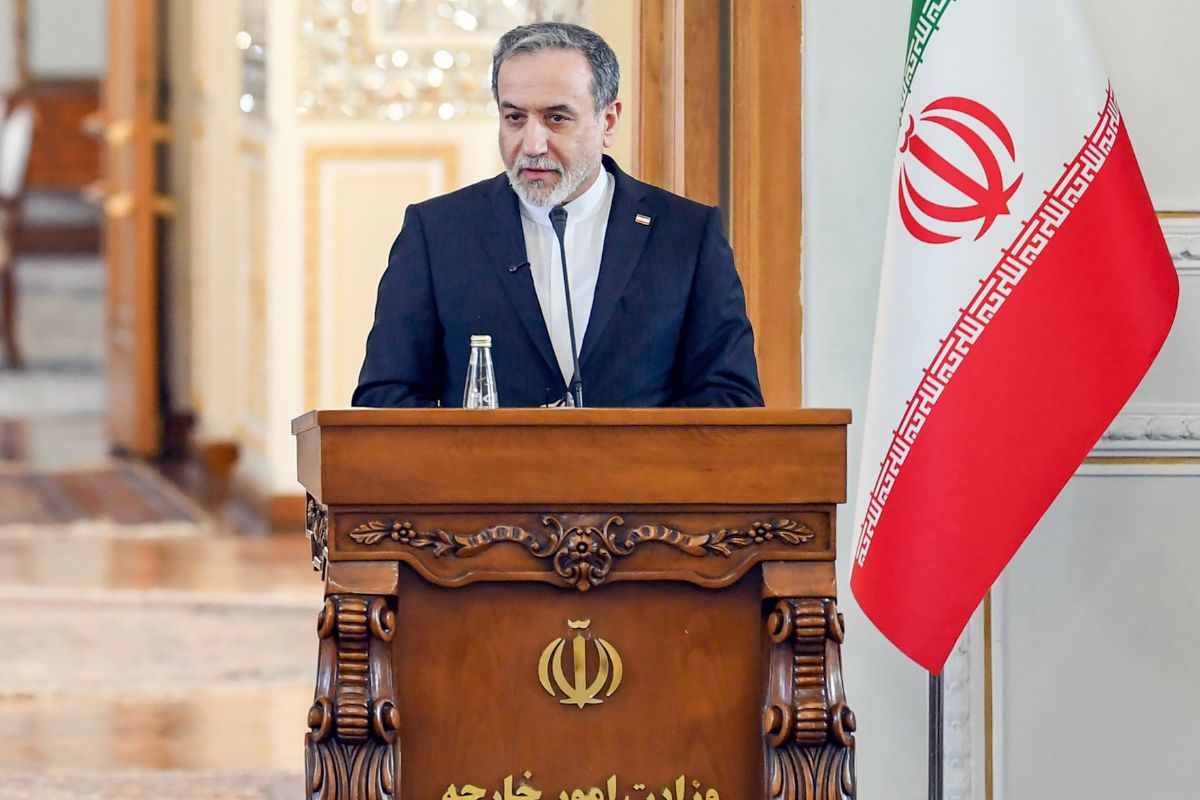
The shadow of a regional war has shifted from the proxy battlefields of Lebanon and Gaza to the concrete domes of the Bushehr Nuclear Power Plant. Iranian Foreign Minister Abbas Araghchi recently issued a blunt warning that any strike on Iran’s nuclear infrastructure would be met with a response that ignores traditional borders. This is not just typical diplomatic posturing. It is a calculated signal that the era of "strategic patience" has ended. If Bushehr or the enrichment sites at Natanz and Fordow are targeted, Tehran intends to set the entire Persian Gulf ablaze, ensuring that if their energy future is compromised, the world’s oil supply goes down with it.
The stakes involve more than just regional pride. An attack on a live nuclear reactor like Bushehr presents an environmental nightmare for the Arab states sitting directly across the water. While the military focus is often on the "bomb," the immediate reality is a potential radiological disaster that would render the Gulf’s desalination plants useless, effectively thirsting out millions of people in Kuwait, the UAE, and Saudi Arabia within days. In similar developments, take a look at: The Sabotage of the Sultans.
The Bushehr Paradox
Bushehr is a unique beast in the world of nuclear geopolitics. Unlike the deep underground bunkers of Fordow, Bushehr sits on the coast, visible and vulnerable. It is a light-water reactor, ostensibly for civilian power, yet it remains the ultimate psychological and ecological trigger. Araghchi’s rhetoric specifically targets the Gulf Cooperation Council (GCC) states because Tehran knows that these nations have the most to lose from a localized Chernobyl scenario.
By threatening a response that ripples across the Gulf, Iran is attempting to force its neighbors to restrain Western or Israeli military ambitions. It is a form of "hostage geography." Tehran is essentially telling Riyadh and Abu Dhabi that their skyline-heavy cities and multi-billion dollar tourism hubs are collateral in any strike against Iranian nuclear assets. The message is clear. You cannot stay neutral if the sky turns toxic. USA Today has analyzed this fascinating issue in extensive detail.
Beyond the Enrichment Bunkers
Military analysts often obsess over the depth of the Fordow facility, which is buried under mountains to survive bunker-buster munitions. However, the true strategic vulnerability lies in the supply chain and the maritime security of the Gulf. Araghchi’s warnings hint at a multi-domain retaliation. This wouldn't just be a volley of missiles. It would likely involve the total closure of the Strait of Hormuz, the mining of shipping lanes, and the deployment of "suicide" drone swarms against energy infrastructure across the peninsula.
The West views the Iranian nuclear program through the lens of non-proliferation. Iran, however, views it as the ultimate guarantor of regime survival. When Araghchi speaks of a "proportional and decisive" response, he is acknowledging that a conventional war is a losing game for Tehran. Therefore, the response must be asymmetric. It must be so economically painful for the global market that the aggressors are forced to the table by their own disgruntled populations facing five-dollar-a-gallon spikes in fuel prices.
The Failure of Traditional Deterrence
For years, the "shadow war" consisted of cyberattacks like Stuxnet and the targeted assassination of scientists. These were manageable. They offered plausible deniability and didn't require a full-scale kinetic response. That period is over. The direct exchange of missiles between Israel and Iran in 2024 destroyed the old rules of engagement. Now, the nuclear sites are no longer "off-limits" in the planning rooms of the IDF or the Pentagon.
This shift in reality is what prompted Araghchi’s frantic diplomatic tour of the region. He wasn't just making threats; he was conducting a high-stakes protection racket. By highlighting the danger to the Gulf states, he is trying to create a diplomatic shield. If the GCC believes that an Israeli strike on Bushehr will lead to Iranian missiles hitting their refineries or a cloud of radiation drifting toward Dubai, they will use every ounce of their considerable influence in Washington to block such an operation.
The Radiological Weapon
A strike on a functioning nuclear reactor is a war crime under several international conventions, but in the heat of an existential conflict, legalities fade. The technical reality of Bushehr is that it contains a massive inventory of spent fuel and active isotopes. A conventional breach of the containment structure would release a plume of radioactive iodine and cesium.
The prevailing winds in the Persian Gulf blow from the north and northwest. This means a disaster at Bushehr isn't an Iranian problem alone. The fallout would move directly over the water toward the eastern coast of the Arabian Peninsula. Unlike a land-based war, you cannot shoot down a radioactive cloud. This environmental reality is Iran’s most potent deterrent. They are holding the ecology of the Middle East's most valuable real estate as a bargaining chip.
The Miscalculation of the "Limited Strike"
There is a dangerous school of thought in some intelligence circles that a "surgical" strike could take out Iran’s nuclear capabilities without sparking a regional conflagration. This is a fantasy. The Iranian leadership has linked the nuclear program to national sovereignty so tightly that losing it would be viewed as a terminal blow to the Islamic Republic.
Araghchi’s statements are designed to dispel any notion of a limited engagement. He is signaling that Tehran will not differentiate between the hand that pulls the trigger and the soil that hosts the logistics. If tankers are loading at Ras Tanura while Iranian facilities are burning, those tankers become legitimate targets in the eyes of the IRGC. The logic is brutal and circular. If we don't have a future, nobody in the region has a future.
The Role of Air Defense Systems
The frantic acquisition of S-400 batteries and the development of the Bavar-373 system show that Iran knows its air force is no match for modern Western jets. Their strategy relies entirely on making the cost of entry too high. But air defense is never 100 percent effective. This is why the rhetoric has shifted from "we will stop you" to "we will make you regret it."
This distinction is vital for understanding the current crisis. Iran is moving away from the promise of a perfect defense and toward the promise of a devastating counter-offensive. They are betting that the global economy, still fragile from years of inflationary pressure and supply chain shocks, cannot withstand the loss of 20 percent of the world’s oil and liquefied natural gas.
The Oil Market as a Battlefield
The global economy is the silent third party in this standoff. If the Bushehr warning is ignored and a strike occurs, the immediate reaction in the Brent Crude markets would be cataclysmic. We aren't talking about a slight uptick. We are talking about a vertical line on the charts.
The IRGC Navy has spent decades practicing for this exact scenario. Their "swarm" tactics are designed to overwhelm the high-tech destroyers of the U.S. Fifth Fleet. While the U.S. would eventually win a naval engagement, the time it would take to clear the mines and secure the lanes would be measured in months, not days. By the time the "victory" was achieved, the global economy would be in a deep recession. This is the leverage Araghchi is leaning on. He is reminding the world that the Bushehr reactor isn't just a power plant; it's a structural pillar of the current global energy order.
The Brink of Misunderstanding
The greatest risk right now is a misreading of intentions. If the West views Araghchi’s words as mere bluffing, they might greenlight an operation that triggers the very collapse they seek to avoid. Conversely, if Iran perceives a strike is imminent regardless of their warnings, they may decide that a preemptive escalation is their only move.
The diplomatic channels are fraying. When the Iranian Foreign Minister travels to Damascus, Baghdad, and Riyadh in a single week, he isn't just chatting. He is laying out the "kill zones" for the coming conflict. He is telling these governments that their airspace will be used, their security will be compromised, and their economies will be the first to suffer.
The Infrastructure of Retaliation
Iran’s "Axis of Resistance" is the secondary fuse. While Bushehr is the flashpoint, the response will likely start in the highlands of Yemen and the valleys of Southern Lebanon. The Houthis have already proven they can hit targets deep inside Saudi Arabia and disrupt Red Sea shipping with relatively low-cost hardware. In a post-Bushehr strike scenario, these groups would be unleashed without the usual Iranian calls for restraint.
We are looking at a simultaneous escalation on three fronts. The maritime front in the Gulf, the missile front across the Levant, and the economic front in the energy markets. This isn't a theory; it is the published doctrine of the Iranian military apparatus. They have spent forty years preparing for the day the "big strike" comes.
The GCC Dilemma
The Arab states find themselves in an impossible position. They want a non-nuclear Iran, but they cannot afford the cost of a war to achieve it. This is why we see a sudden warming of ties between Riyadh and Tehran. It is not a move of friendship; it is a move of survival. They are trying to decouple themselves from the inevitable explosion.
However, geography is destiny. You cannot move a city-state like Qatar or a port like Jebel Ali. They are fixed in the path of whatever storm emanates from the Iranian coast. Araghchi knows this. His "warning" is a wedge driven between the Gulf states and their Western security partners. He is asking them a simple, terrifying question. Is a pile of Iranian rubble worth the destruction of your entire modern civilization?
The Inevitable Pivot
The situation has reached a point where the status quo is no longer sustainable. The "containment" of Iran has failed to stop the advancement of their nuclear timeline, and the threat of force has failed to cow their leadership. We are entering a phase where the margin for error is zero.
A single nervous radar operator or a misinterpreted drone flight could be the spark. The warning from Tehran isn't just about Bushehr. It is a declaration that the Middle East is a single, interconnected powder keg. You cannot kick one side of the box and expect the rest of the contents to remain still. If the domes at Bushehr are cracked, the shockwaves will be felt in every boardroom in London, every gas station in Ohio, and every desalination plant in the desert. The red line has been drawn in radioactive ink.