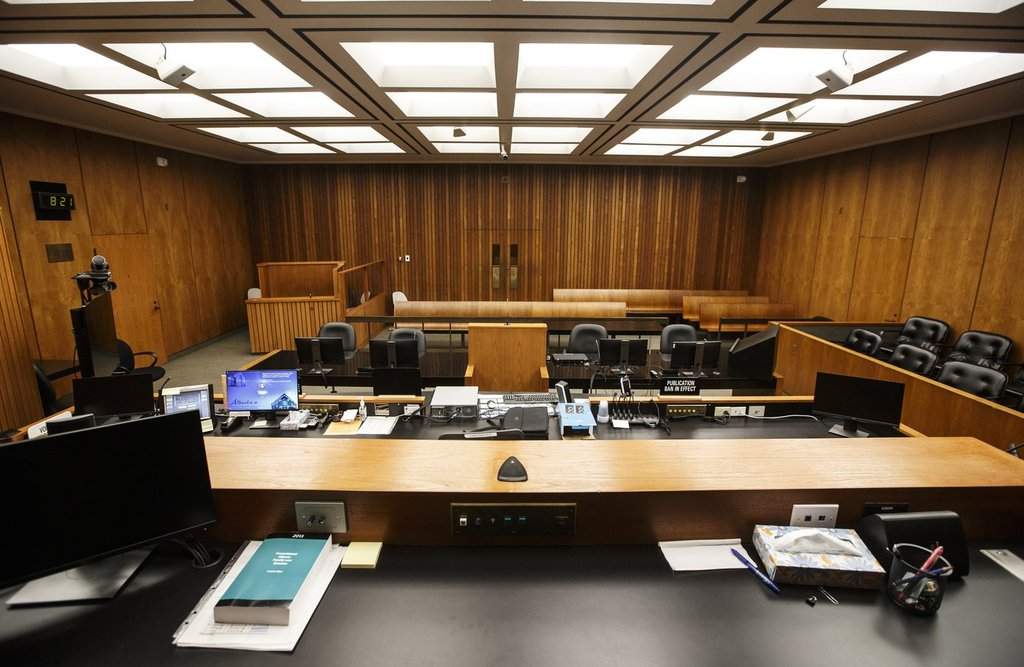
Alberta is picking a fight with the federal government again, and this time, the target is the very foundation of how our courts operate. The United Conservative Party (UCP) isn’t just complaining about Ottawa; they’re demanding a constitutional amendment to change who gets to pick the people in robes.
Premier Danielle Smith and Justice Minister Mickey Amery want a seat at the table—or perhaps the head of it—when it comes to appointing superior court judges. Right now, Section 96 of the Constitution Act, 1867, gives that power exclusively to the federal government. The UCP thinks that’s a "questionable remnant" of a centralized past that doesn't reflect the "values and expectations" of Albertans.
It’s a bold move that has constitutional experts and legal organizations like the Canadian Bar Association (CBA) sounding the alarm. If you’re wondering why this matters to you, it’s because this isn't just about red tape. It’s about whether the person deciding your next legal dispute is there because of their legal merit or their political alignment with the province.
The Section 96 Standoff
Under the current system, the Prime Minister and the federal Justice Minister appoint judges to the Court of King’s Bench and the Court of Appeal. These are the "superior courts" that handle everything from major criminal trials to high-stakes corporate lawsuits and constitutional challenges.
The UCP’s proposal is straightforward and aggressive. They want a four-person committee where both federal and provincial ministers must agree before anyone gets an appointment. Basically, they want a veto.
This isn’t just a polite request. Premier Smith recently upped the ante by threatening to withhold funding for new judicial positions—the courtrooms, the clerks, and the infrastructure—unless Ottawa plays ball. It’s a high-stakes game of chicken where the prize is control over the third branch of government.
Why the UCP is Pulling This Lever Now
You have to look at this through the lens of Western alienation. For decades, Alberta has felt like the federal government uses every tool at its disposal—including the courts—to push a Central Canadian agenda. When a judge rules against a provincial energy project or strikes down a provincial law, the UCP sees it as an ideological clash rather than a neutral legal decision.
By demanding a say in appointments, the province is trying to ensure that the judiciary "reflects" Alberta. But "reflecting Alberta" is a loaded phrase. To the CBA and other critics, it sounds like a dog whistle for appointing judges who will be friendlier to provincial policies.
Honestly, the timing is no coincidence. With Prime Minister Mark Carney in office and a federal landscape that often feels at odds with Alberta’s industrial goals, Smith is mobilizing her base. She’s framing this as a battle for provincial autonomy. It’s the same energy behind the Alberta Sovereignty within a United Canada Act, just applied to the courtroom.
The Risks of a Politicized Bench
The biggest worry here is judicial independence. In Canada, we generally trust that a judge won't rule a certain way just because the person who hired them expects a favor. If a provincial government gets to hand-pick (or veto) judges, that trust starts to erode.
The Canadian Bar Association’s Alberta branch was pretty blunt about this in their February 2026 letter. They argued that the UCP's plan would "fundamentally compromise" the non-partisan nature of the bench. Right now, candidates are vetted by independent committees that include lawyers, laypeople, and judges. Adding a political veto from the provincial capital changes the math for every lawyer who ever dreamed of being a judge.
- Access to Justice: By threatening to withhold funding for new judges, the province is actively making the backlog worse. If you’re waiting three years for a trial, this political fight is directly hurting you.
- The Quebec Comparison: Quebec has asked for similar powers for years, but they’ve done it through legal arguments about their unique civil law system. Alberta’s argument is much more focused on political "values," which makes other provinces—and Ottawa—way more nervous.
- Constitutional Deadlock: Changing Section 96 isn’t like changing a city bylaw. It requires a massive amount of provincial consensus that just isn't there right now.
What Happens Next
Don't expect the federal government to cave on this. Federal Justice Minister Sean Fraser has already brushed the request aside, and for good reason. No federal government wants to hand over its most significant patronage and constitutional power without a massive fight.
But the UCP isn't backing down either. They’ve introduced motions for constitutional amendments and are using this as a central pillar of their "Fair Deal" for Alberta.
If you want to stay ahead of this, watch the funding. If the Alberta government actually starts freezing the budget for the Court of King’s Bench, the system will start to grind to a halt. We’re talking about longer wait times for divorces, civil suits, and criminal trials.
Keep an eye on the upcoming court challenges. If Alberta tries to unilaterally change how it manages court administration to bypass federal authority, this will end up in—ironically—the very courts they’re trying to change.
The next step for Albertans is to watch how the legal community reacts. When the lawyers and the Law Society start getting loud, it’s usually a sign that the "administrative" changes are hitting the "fundamental rights" stage. Don't let the dry talk of "Section 96" fool you; this is a fight for the soul of the provincial justice system.



