The mud in Vermont isn't just dirt and water. By late March, it becomes a sentient, heavy thing that swallows tires and boots, a seasonal reminder that the ground beneath us is never as solid as we hope. But lately, the seasons are stuttering. The "Great Flood" used to be a once-in-a-century story told by grandfathers in general stores. Now, it happens on a Tuesday in July.
When the Winooski River overtopped its banks in 2023, turning the capital city of Montpelier into a murky lake, it wasn't just an act of God. It was a bill coming due. For decades, we have treated the atmosphere as a free landfill for carbon. We knew the chemistry. We knew that $CO_2$ traps heat. We knew that a warmer atmosphere holds more water, which eventually has to fall. And yet, the entities that profited most from this chemistry—the global giants of oil and gas—watched the water rise from the safety of boardrooms thousands of miles away.
Vermont decided it was time to send the invoice.
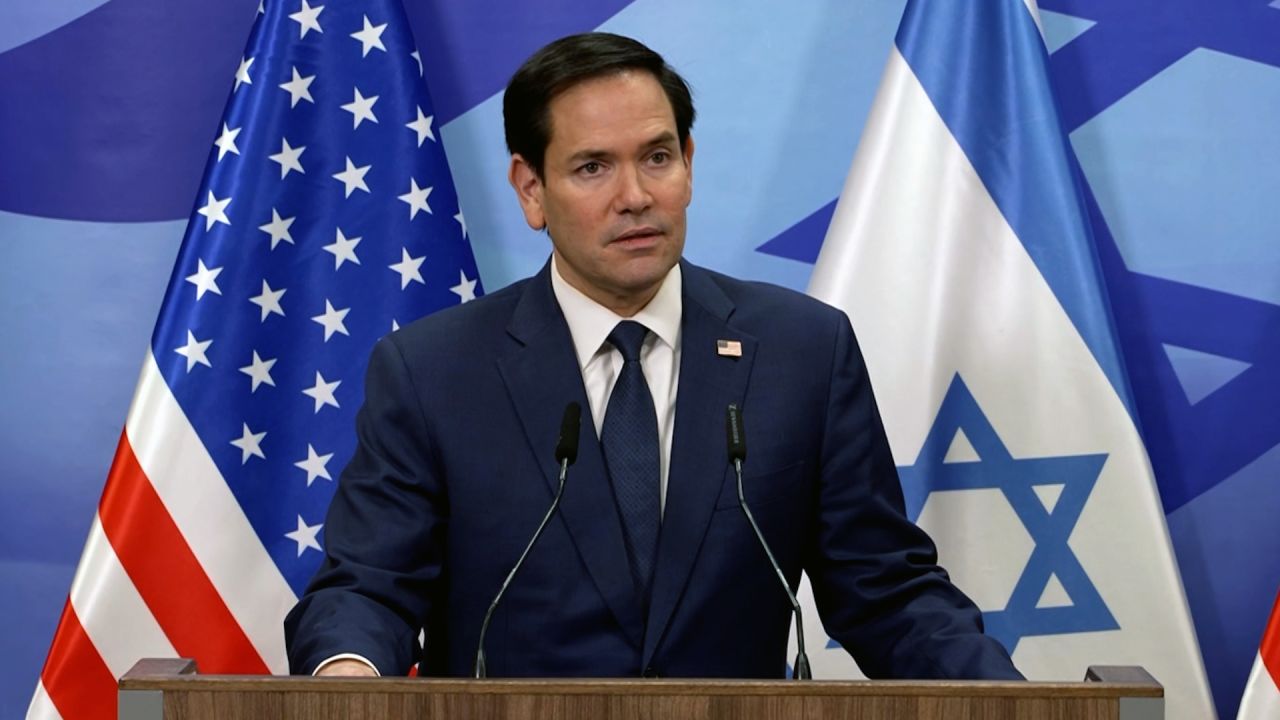
The state’s Climate Superfund Act is a piece of legislation that feels like a David-and-Goliath script, but the slingshot is made of cold, hard data. It demands that the world’s largest fossil fuel companies pay for the infrastructure damage caused by climate change. It is based on a simple, playground logic: you broke it, you fix it. But as the state prepares to defend this law against a federal lawsuit from the Trump administration, the battle has shifted from the muddy streets of Vermont to the marble halls of Washington.
The Ghost of the 1980s
To understand why Vermont is digging in its heels, you have to look back at the original Superfund Act of 1980. Back then, the enemy was visible. It was toxic sludge leaking from rusted drums into the groundwater of places like Love Canal. Congress decided that the companies responsible for the mess should be the ones to pay for the cleanup, not the taxpayers. It was a revolutionary shift in accountability.
Vermont is simply applying that same logic to a different kind of waste. Instead of sludge in the soil, the waste is carbon in the sky.
Imagine a hypothetical small-town treasurer named Martha. Martha has to explain to her neighbors why their property taxes are spiking. It’s not because the town bought a fleet of gold-plated snowplows. It’s because the culverts under the main road, designed for the rains of 1950, were blown out by a storm that dropped two months of rain in two days. The bridges are crumbling. The asphalt is peeling away. Martha’s town is broke because it is paying for the externalities of a global industry that recorded record-breaking profits last year.
The law uses "attribution science" to bridge the gap between a global phenomenon and a local disaster. It’s no longer a vague guessing game. Scientists can now calculate, with startling precision, exactly how much more likely a specific flood was because of human-induced warming. They can trace the molecules back to the source.
The Federal Friction
The lawsuit filed by the Trump administration doesn't argue that the climate isn't changing. Instead, it leans on the heavy machinery of federal preemption. The argument is that a single state doesn't have the authority to regulate global commerce or dictate terms to multi-state corporations. They see it as a chaotic patchwork of local laws that would stifle the energy sector and overstep the bounds of the Executive Branch’s power over interstate trade.
There is a tension here that feels deeply American. It is the friction between a state’s right to protect its citizens and the federal government’s desire for a unified national policy. But for Vermonters, "national policy" has felt like a polite way of saying "doing nothing" for thirty years.
When the federal government sues a state to stop it from collecting damages, it sends a clear message about whose pockets are being protected. The administration argues that this law is an unconstitutional "money grab." But walk through a flooded basement in Barre or look at a washed-out dairy farm in the Champlain Valley, and the word "grab" takes on a different meaning. The money has already been grabbed—from the pockets of homeowners who didn't have flood insurance because they didn't live in a "flood zone" until the zones moved.
The Invisible Stakes
This isn't just about spreadsheets. It’s about the soul of a place. Vermont’s identity is tied to its landscape—the maple syrup that requires cold nights, the ski hills that require reliable snow, the granite quarries that shouldn't be underwater. When the climate shifts, the culture shifts.
Consider the maple producer. They are the canary in the coal mine. If the winters continue to soften, the sap stops running. You can’t move a hundred-year-old sugar bush north. When that industry dies, it’s not just a loss of GDP. It’s the death of a lineage, the end of a craft passed down through four generations. The Climate Superfund law is an attempt to put a price tag on that loss before it becomes total.
The fossil fuel industry argues that they were simply providing a product that the world demanded. They claim that holding them liable for the byproduct of that use is like suing a car manufacturer for a traffic jam. It’s a compelling metaphor, until you realize the car manufacturer knew the engines were leaking poison and spent millions of dollars to convince the public the air was actually fine.
The Legal Chessboard
The defense of the law rests on a gamble. Vermont is betting that the courts will recognize climate damage as a localized tort—a civil wrong that causes harm. If they win, they set a precedent that could ripple through every state house in the country. Imagine New York suing for subways flooded by rising tides, or California suing for the astronomical costs of wildfire suppression.
The Trump administration’s lawsuit seeks to kill the baby in the cradle. They know that if Vermont succeeds, the financial liability for the fossil fuel industry could reach into the trillions. It would fundamentally change the math of being an oil company. Carbon would no longer be a free byproduct; it would be a looming debt.
Critics call the law "performative." They say a state with fewer people than a suburb of Dallas has no business taking on ExxonMobil and the Department of Justice. Perhaps. But there is a certain rugged, New England stubbornness in the attempt. It is the act of a community refusing to be a silent victim of a disaster they didn't create.
Beyond the Gavel
The courtroom drama will likely stretch on for years. There will be motions, appeals, and dense filings about the Commerce Clause. But while the lawyers argue over the definition of "interstate effects," the weather isn't waiting.
The true cost of the delay is measured in the anxiety of a homeowner watching a dark cloud bank roll over the Green Mountains. It’s measured in the hesitation of a young couple wondering if it’s safe to buy a house near a creek. The lawsuit is framed as a matter of law, but for the people living in the path of the next "unprecedented" event, it is a matter of survival.
If the law is struck down, the message is that the cost of progress is to be borne by the smallest and most vulnerable. If it stands, it marks the beginning of a new era of accountability, where the ghosts of 1980s environmentalism return to haunt the carbon giants of the 21st century.
The sun sets over a Vermont ridgeline, casting long, purple shadows across a valley that has been carved by ice and water over millennia. The land is resilient, but it is tired. We have treated the earth like a business in liquidation, stripping the assets and ignoring the debt. Vermont has finally decided to check the books.
The bill is on the table. The only question left is who will be forced to reach for their wallet when the water starts to rise again.