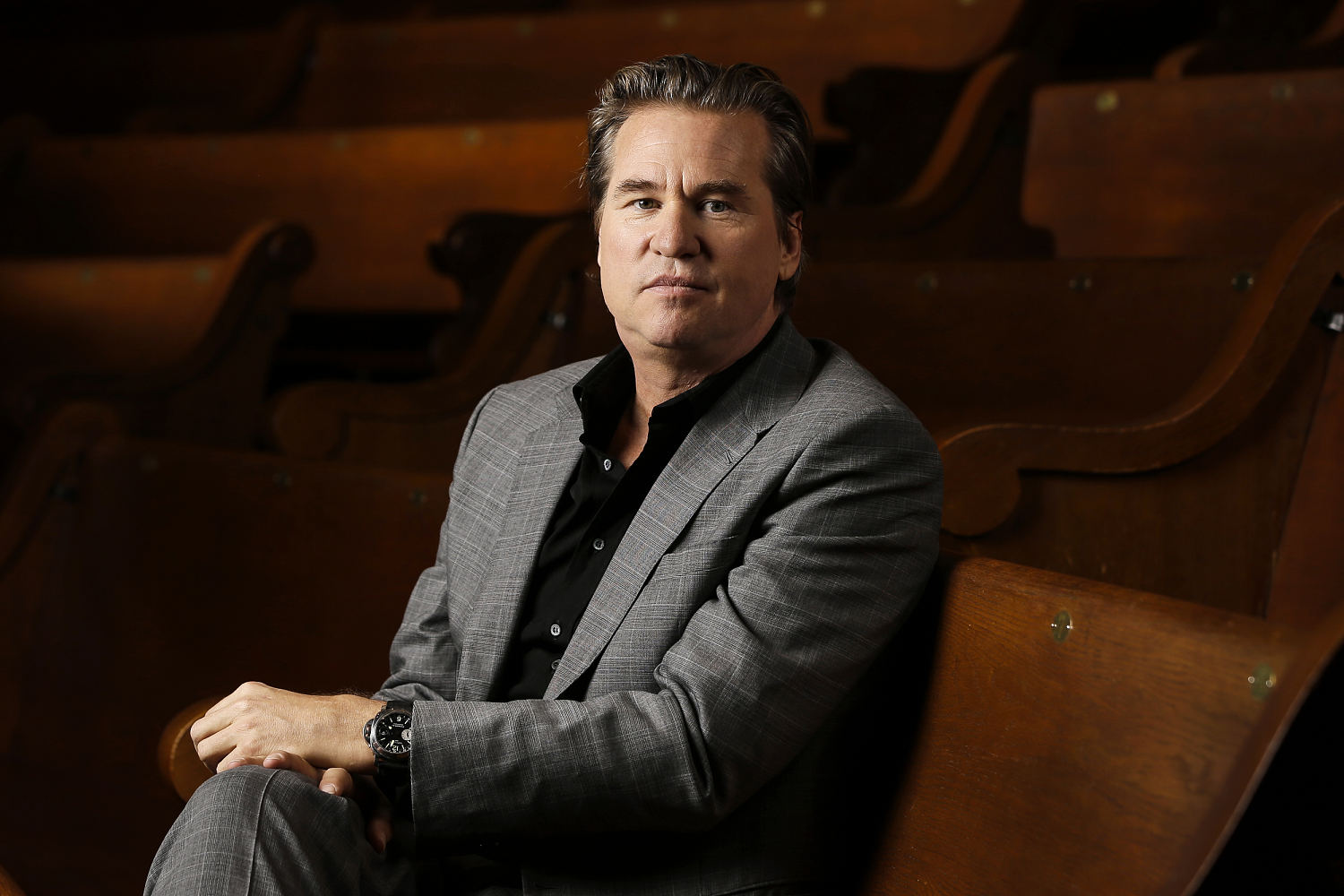
Hollywood just crossed a line that many of us thought was still years away. Val Kilmer is starring in a new feature film, but there's a catch that sounds like something out of a techno-thriller. He isn't actually there. He didn't step onto a soundstage, he didn't sit in a makeup chair for three hours, and he didn't memorize a single line of dialogue. Instead, a sophisticated AI model trained on decades of his past performances is doing the heavy lifting. This isn't just a brief cameo or a de-aged flashback like we saw in Top Gun: Maverick. This is a full-scale digital resurrection that changes everything about how we define "acting."
We've seen digital doubles before. Peter Cushing was brought back for Rogue One, and Carrie Fisher’s likeness was used to finish the Star Wars sequel trilogy after her passing. But those felt like patches—emergency measures to fix a hole in a narrative. What’s happening with Kilmer is different. It's a deliberate choice to build a performance around a man who can no longer speak with his natural voice due to his courageous battle with throat cancer. While the technology is undeniably impressive, it forces us to confront some pretty uncomfortable questions about consent, the soul of a performance, and whether we're ready for a world where "forever" actually means forever.
The Tech Behind the Voice
To understand why this is a massive leap forward, you have to look at what happened during the production of Top Gun: Maverick. Kilmer’s team partnered with a London-based AI company called Sonantic. They took hours of archival footage—interviews, film reels, private recordings—and fed them into an algorithm. The goal wasn't just to mimic his pitch. They needed to capture the "Kilmer-ness" of it all. The specific way he draws out certain vowels, the slight rasp, the rhythm of his breathing.
The result was a voice model that could say anything the programmers typed into a keyboard. In the new project, this tech goes even further. We aren't just hearing him; we're seeing a performance that integrates his physical likeness with a level of nuance that previously required a living, breathing human. It’s a blend of deepfake technology, voice synthesis, and traditional CGI that blurs the boundary between reality and math.
Why This Isn't Just Another Deepfake
Most people hear "AI actor" and think of those uncanny valley videos on TikTok where Tom Cruise is doing magic tricks. This is miles beyond that. When a studio commits to a project like this, they're using high-fidelity data that the average creator can't access. They have the raw, uncompressed master tapes from his 1980s and 90s classics. They have the 3D scans.
But more importantly, they have the cooperation of the estate. This is the "Experience" part of the equation that often gets lost in the hype. Kilmer himself has been a vocal supporter of using technology to reclaim his voice. For him, it's an act of empowerment. It’s a way to bypass a physical limitation and continue his craft. When the artist is involved in their own digital cloning, the ethical murky waters clear up a little bit. It becomes a tool, like a prosthetic or a paintbrush.
The Problem With Digital Immortality
However, we shouldn't just celebrate this without looking at the dark side. If we can make a new Val Kilmer movie in 2026, what's stopping a studio from making a new Marilyn Monroe movie? Or a James Dean action flick?
There’s a real risk that living, breathing actors will start losing roles to the ghosts of the past. Why hire a talented 22-year-old unknown when you can just "license" the likeness of a young Brad Pitt? It’s cheaper in the long run. No trailers, no ego, no late arrivals to set. Just a hard drive and a team of animators. This isn't some distant "what if" scenario. It’s a legitimate concern that was a massive sticking point during recent SAG-AFTRA strikes. Actors are terrified—and rightfully so—that their own image will be used to replace them.
What This Means for the Audience
As a viewer, you have to ask yourself if you can actually connect with a machine. Acting is about the "space between." It’s the unpredictable flicker in an actor's eye or a slight crack in their voice that wasn't in the script. When an AI generates those "imperfections," are they still soulful? Or are they just calculated data points designed to trick your brain into feeling empathy?
I’ve watched some of the early tests for these AI performances. They're technically perfect. Maybe too perfect. There’s a sanitization that happens when you remove the physical struggle of a human performance. You lose the sweat. You lose the genuine exhaustion.
The Legal and Ethical Minefield
We are currently living in the "Wild West" of digital rights. While Kilmer gave his blessing, many stars from the golden age of Hollywood never had "AI resurrection" clauses in their contracts because the tech didn't exist. Now, estates are scrambling to figure out who owns a dead person's soul—or at least, their digital twin.
- California’s Protections: The state recently passed laws to give more control to heirs over how a celebrity's likeness is used post-mortem.
- The Consent Gap: There’s a massive difference between using AI to help a sick actor finish a project and using it to "hire" a dead actor for a brand-new commercial.
- The Quality Slide: Once the novelty wears off, we might see a flood of low-quality "zombie" content that tarnishes the legacy of the original performers.
If you’re a fan of Kilmer’s work in Tombstone or The Doors, this new movie feels like a gift. It's a chance to see a master at work one last time. But don't let the nostalgia blind you to the precedent this sets. Every time we pay for a ticket to an AI-led movie, we're voting for a future where the line between life and simulation is permanently erased.
How to Spot the Difference
If you want to stay informed as a consumer, start looking closer at the credits. Look for terms like "Synthetic Performance Capture" or "Voice Reconstruction." Pay attention to the eyes in these films. The "dead eye" syndrome is the hardest thing for AI to overcome. Humans have a constant, microscopic movement in their pupils and eyelids that AI still struggles to replicate without it looking "looping" or mechanical.
[Image comparing a real human eye with a digitally rendered eye, highlighting micro-expressions]
The next step for you is simple. Watch the movie, but watch it critically. Don't just get swept up in the story. Analyze the movement. Does the digital Kilmer react to his costars in a way that feels spontaneous? Or does it feel like two different movies being stitched together? The industry is watching our reaction. If this movie is a massive hit, expect the floodgates to open. We might be the last generation that remembers what it was like when every actor on screen was actually in the room.
Go see the film to support the man, but keep your eyes open for the machine. The future of cinema depends on whether we can tell them apart—and whether we even care to.