The silence of a suburban Tuesday night is a specific kind of heavy. It is the sound of sprinklers ticking against St. Augustine grass and the distant hum of an HVAC unit. For the Miller family—a hypothetical name for a very real archetype of American parenting—that silence was a hard-earned reward. They had done the "responsible" thing. They had checked the locks, set the alarm, and driven away for a needed weekend, leaving their sixteen-year-old son with a firm handshake of trust and a list of emergency numbers on the fridge.
They didn't see the digital wildfire sparked by a single, casual tap on a glowing screen.
By 9:00 PM, the silence didn't just break. It disintegrated. A neighbor three houses down described it as a low-frequency vibration that rattled the silverware in her kitchen drawer. It wasn't just music. It was the collective kinetic energy of over one hundred teenagers descending upon a space designed for four.
This isn't just a story about a party that got out of hand. It is a post-mortem on the illusion of control in the age of the algorithm.
When we talk about "out of control" house parties, the image in our heads is often a cinematic cliché: red plastic cups, a few broken vases, maybe a noise complaint from the local crank. But the reality in this modern case is far more surgical and terrifying. Digital platforms act as accelerants. A private gathering of five friends becomes a public invitation to five thousand within minutes. The "share" button has removed the friction of social consequence.
The Physics of the Crowds
Imagine a balloon. You can blow into it steadily, and it expands with predictable tension. That is a traditional party. But if you hook that balloon up to a high-pressure industrial air compressor, the material doesn't just expand; it fails.
The Miller home became that failing material.
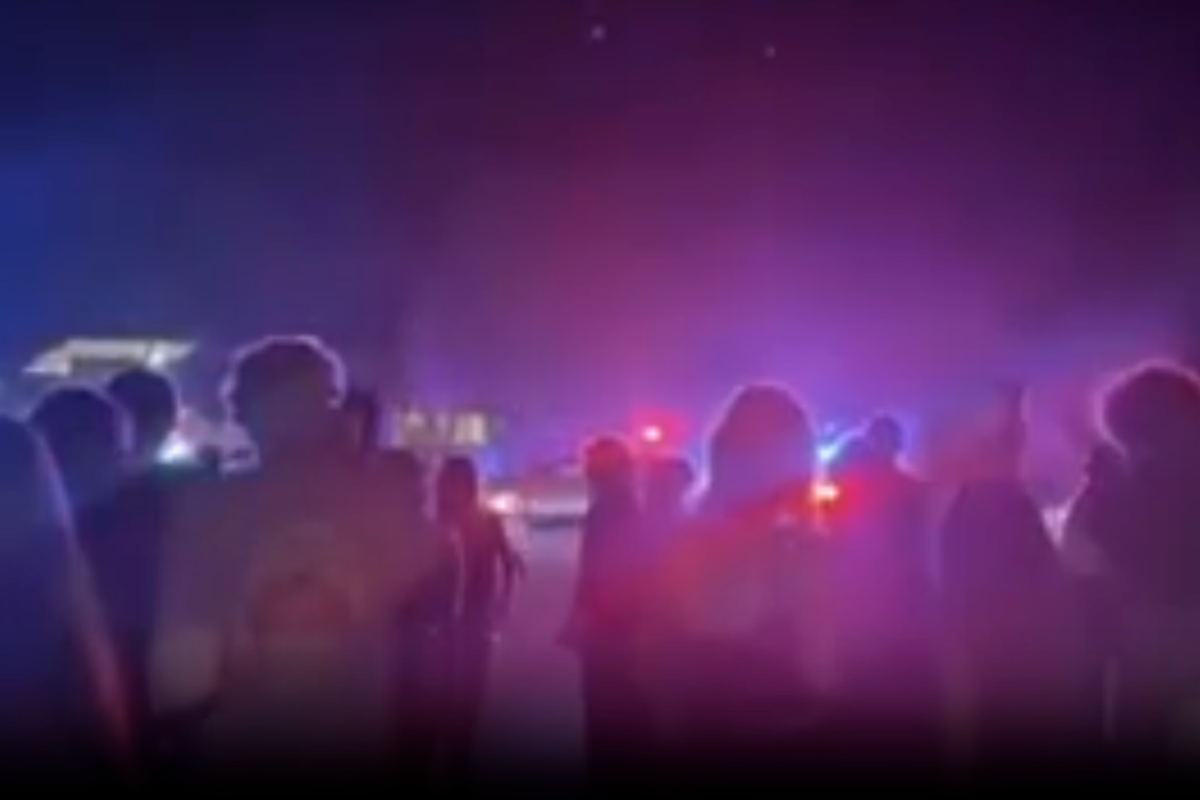
Local law enforcement arrived to find a scene that looked less like a high school hangout and more like a tactical evacuation. Cars were abandoned on lawns, blocking fire hydrants and narrow residential arteries. Teenagers were spilling out of second-story windows, not out of rebellion, but out of a literal lack of floor space.
When a crowd hits the triple digits in a confined residential structure, the physics of safety change. Air quality drops. Structural load on floor joists becomes a genuine concern. The "invisible stakes" here aren't just a stained carpet; they are the potential for a crowd crush or a fire with blocked exits.
The Myth of the "Cool Parent"
There is a quiet, pervasive pressure in modern parenting to be the sanctuary. We want our children to be safe, so we tell ourselves that if they are going to drink or party, it’s better they do it under our roof. We trade the law for a false sense of security.
The parents in this case weren't even home, but the legal system doesn't care about your physical presence when your name is on the deed. They were cited under local social host liability laws. These aren't just "slap on the wrist" fines. In many jurisdictions, these citations carry the weight of criminal negligence.
Social host laws are built on a simple, brutal logic: the adult is the final line of defense. If you provide the venue—even through negligence—you are the architect of the outcome.
Consider the "What If" that haunts every officer who responded to that call. What if an intoxicated minor had stumbled into the street? What if the neighbor's call hadn't come until 11:00 PM instead of 9:30 PM? The difference between a "cited parent" and a "defendant in a vehicular manslaughter suit" is often just twenty minutes of luck.
The Digital Ghost in the Room
We often blame the kids. We call them reckless. We call them entitled.
But we rarely look at the tools they are holding. A sixteen-year-old today has more broadcasting power in their pocket than a regional television station had thirty years ago. A "Snap" with a location tag is a flare gun fired into a crowded stadium.
The teenagers who showed up at the house didn't all know the host. Many were "ghost guests"—people who saw a trending location and hopped in a car. This is the new reality of the suburbs. Your living room is no longer a private space; it is a potential destination on a digital map.
The host, likely terrified as he watched his home be invaded by strangers, was no longer the leader of the party. He was a spectator to his own catastrophe. He was a victim of the same digital velocity that his parents failed to account for.
The Cost of the Cleanup
The morning after doesn't just involve garbage bags and industrial carpet cleaners. It involves a fundamental fracture in the community.
There is the neighbor who no longer trusts you. There is the police department that now flags your address in their CAD system. There is the teenager who has to carry the weight of a ruined reputation and the crushing guilt of their parents' legal fees.
We think we are protecting our children by giving them "space." We think we are building independence. But true independence requires an understanding of the environment. If we don't teach the next generation that their digital footprint can lead a hundred strangers to their front door, we aren't giving them freedom. We are giving them a trap.
The Miller house is quiet again now. The cars are gone. The citations have been mailed. But the air in that neighborhood has changed. There is a new, jagged edge to the silence.
It is the sound of a community realizing that the front door, no matter how heavy the wood or how complex the lock, is no longer enough to keep the world out.
Safety isn't a set of rules on a refrigerator. It is an active, ongoing dialogue about the world as it actually exists—not as we wish it to be.
The hundred teens who showed up weren't there to cause a riot. They were just following the glow of their screens, looking for a place to belong, unaware that they were part of a tide that could drown the very person who invited them.
The blue and red lights have faded, but the lesson remains etched in the cracked drywall and the heavy hearts of a family that thought they knew what "home" meant.
Next time you turn the key in the lock and head out for the weekend, ask yourself if you’ve truly secured the perimeter, or if you’ve left the digital back door wide open.