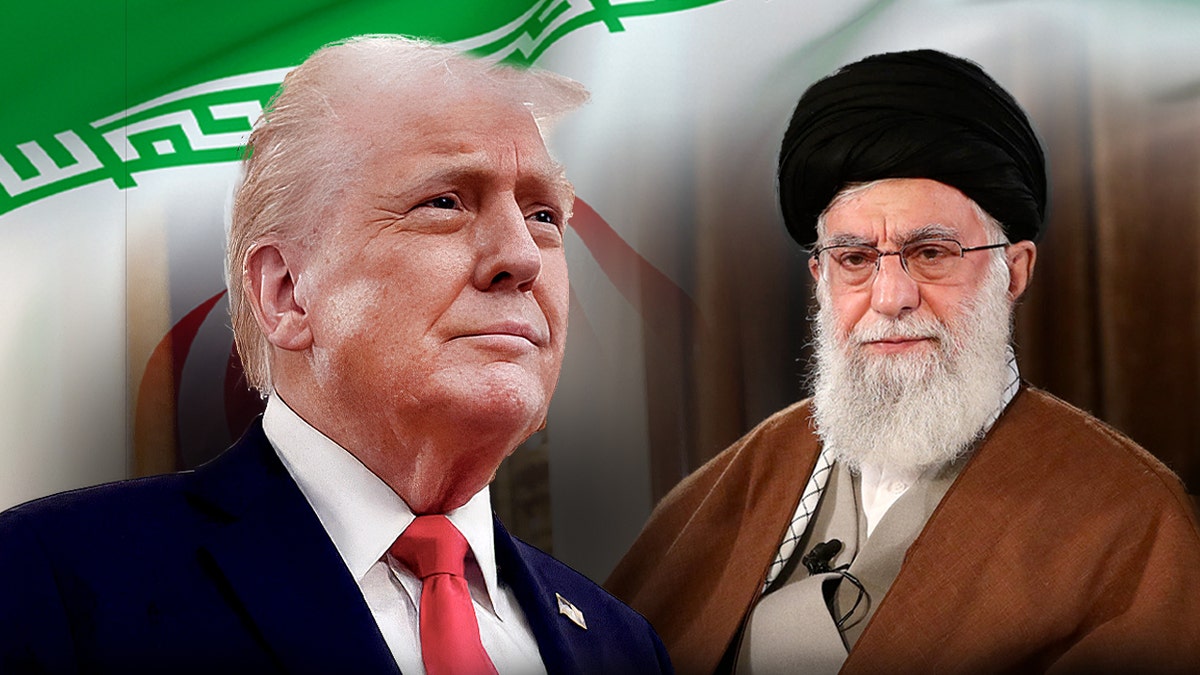
Donald Trump just put Iran on notice about the Strait of Hormuz, and he didn't mince words. "They better not be and, if they are, they better stop now!" he posted on Truth Social. This wasn't some abstract diplomatic warning. It was a direct response to reports that Tehran is trying to squeeze cash out of oil tankers passing through one of the world's most critical maritime chokepoints.
If you're wondering why this matters to you, look at the price of gas or your heating bill. About a fifth of the world's total oil consumption moves through that narrow stretch of water between Iran and Oman. When Iran starts talking about "tolls" or "fees," they aren't just looking for pocket change. They’re trying to assert ownership over a global highway. Trump's "better stop now" ultimatum is an attempt to shut down a potential economic nightmare before it starts.
The reports of Iranian transit fees
Rumors started swirling earlier this week that Iranian officials were eyeing a new way to monetize their geography. The Supreme Leader, Ayatollah Mojtaba Khamenei, recently suggested that management of the Strait would enter a "new phase." In Tehran’s view, they’ve suffered massive damages during the recent conflict and they want someone to pay for it.
Reports suggest Iran might be trying to charge tankers for "services" or "protection," which is basically a polite way of describing a shakedown. Under international law, specifically the UN Convention on the Law of the Sea, ships have the right of "transit passage" through international straits. You can't just set up a toll booth in the middle of the ocean because you're having a bad year.
Trump’s reaction was classic. He isn't interested in a long legal debate at the UN. He sees it as a breach of the shaky ceasefire currently in place. Just a day before his Truth Social outburst, he even floated a bizarre idea of a "joint venture" to manage tolls, but that seems to have hit a wall. Now, the tone has shifted back to threats.
Why the Strait of Hormuz is a global trigger point
The Strait is only about 21 miles wide at its narrowest. It's a logistical nightmare on a good day. For the last month, it’s been a ghost town. Ever since the US-Israeli strikes in February and the subsequent Iranian retaliation, shipping traffic dropped by nearly 70%. At one point, over 150 ships were just sitting outside the entrance, afraid to go in.
Think about what happens if Iran successfully implements a fee:
- Oil prices spike: Even a small "tax" per barrel adds up when you're moving millions of barrels a day.
- Precedent: If Iran gets away with it, what stops other nations from taxing other international waterways?
- Insurance costs: Maritime insurance is already through the roof. New fees would make shipping through the Persian Gulf almost prohibitively expensive.
Trump claims he's already secured a "victory" by stopping Iran’s nuclear ambitions and that oil will start flowing "with or without the help of Iran." But the reality on the ground—or the water—is messier. If Iran keeps the pressure on the Strait, that victory remains on thin ice.
The ceasefire and the Pakistan talks
All of this chest-thumping comes right before a major meeting. Negotiators from the US and Iran are scheduled to meet in Pakistan this Saturday to try and turn a two-week ceasefire into something more permanent.
Iran is going into these talks with a list of demands for compensation. They're calling it "material accountability" for the "criminal aggressors." By threatening to tax the tankers, they're likely trying to build leverage. They want to show the world they can still mess with the global economy if they don't get the billions they’re asking for in damages.
Trump’s strategy is the opposite. He wants to de-value their leverage. By drawing a hard line on tanker fees now, he’s telling Tehran that the Strait isn't a bargaining chip—it’s a non-negotiable international zone.
What this means for the global economy
If the "better stop now" warning works, we might see shipping traffic return to 2025 levels. That would be huge for stabilizing energy markets. Brent crude hit $126 a barrel earlier this year; a fully open Strait could bring that down significantly.
However, if Iran ignores the warning and starts seizing ships that refuse to pay, the ceasefire is over. We’re not just talking about a trade war; we’re talking about a return to active naval combat.
What you should watch for next
Don't expect a quiet weekend. The Pakistan talks will be the real indicator of where this goes. Watch for any official statements from the IRGC (Islamic Revolutionary Guard Corps). They're the ones actually patrolling the water. If they start pulling over tankers, the "new phase" Khamenei mentioned is officially underway.
Keep an eye on the following signals:
- Shipping volume: Check if major firms like Maersk or MSC start sending vessels back through the Strait. If they stay away, they don't trust the ceasefire.
- Oil price fluctuations: A sudden drop might mean traders believe Trump's threats are working.
- The "Joint Venture" talk: See if the US actually proposes a formal toll system that both sides agree on—though that seems unlikely given the current rhetoric.
If you have investments in energy or shipping, it’s time to be very careful. This isn't just political theater; it's a battle for control over the world’s most important energy artery. Trump wants the oil moving and the prices low before the next election cycle heats up, and he's willing to burn the midnight oil—and maybe some bridges—to make it happen.


