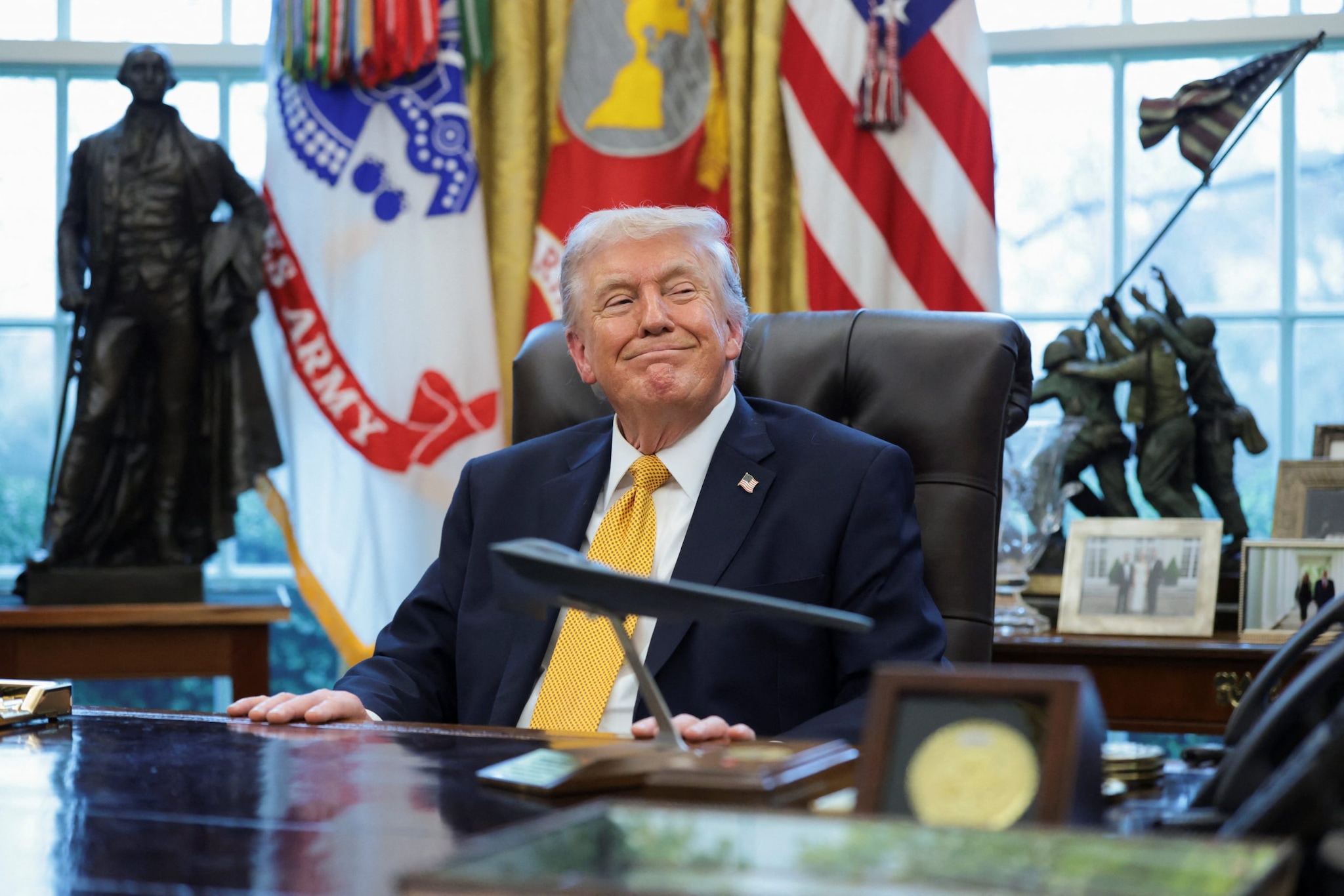
Donald Trump just put the global energy market on notice. In a move that's sent Brent crude climbing toward $113 a barrel, the U.S. President warned he'll "massively blow up" the entirety of Iran's South Pars natural gas field. This isn't just another social media outburst. It's a direct response to a dangerous cycle of tit-for-tat strikes that has turned the Persian Gulf into a shooting gallery.
The situation is messy. It started when Israel "violently lashed out" at South Pars on Wednesday. Iran didn't take that sitting down. They retaliated by raining missiles on Qatar’s Ras Laffan facility—the world’s most important hub for liquefied natural gas (LNG). Trump’s stance is clear: if Iran touches Qatar again, South Pars gets erased from the map.
The Shared Reservoir Dilemma
To understand why this is such a powder keg, you have to look at the geography. South Pars isn't just an Iranian asset. It's half of the world's largest gas field. The other half belongs to Qatar, where it’s called the North Dome.
When Israel hit the Iranian side, they weren't just hitting a refinery. They were striking the heart of Iran’s economy. Roughly 80% of Iran’s electricity comes from natural gas, and most of that gas flows through the Asaluyeh hub. By targeting this, Israel shifted the war from military skirmishes to full-blown economic attrition.
The irony? Qatar actually condemned the Israeli strike on the Iranian side. They know better than anyone that when you start blowing up equipment sitting on a shared reservoir, everyone loses. Yet, Iran still targeted Qatari soil in response. That’s the "unjustified" move that has Trump reaching for the heavy ordnance.
Why Qatar is the Red Line
You might wonder why the U.S. is suddenly playing bodyguard for Qatar’s gas plants. It’s about two things: global survival and military footprint.
- Energy Security: Qatar provides a massive chunk of the LNG that keeps Europe and Asia running. With the Strait of Hormuz already "de facto" closed, any "extensive damage" to Ras Laffan—which QatarEnergy has already confirmed—could cause a global blackout.
- Al Udeid Air Base: Qatar hosts the largest American air base in the Middle East. If Iran starts leveling Qatari infrastructure, they’re effectively firing into the backyard of the U.S. military.
Trump claims the U.S. "knew nothing" about Israel's initial strike on South Pars. Whether you believe that or not, his current strategy is a classic "madman" deterrent. He's telling Tehran that while he'll hold Israel back from further strikes on South Pars for now, that protection vanishes the second another Iranian drone crosses the Qatari border.
The Economic Fallout is Already Here
We aren't waiting for the "big blow up" to feel the pain. The markets are reacting in real-time. Brent crude hit $112.86 today. In the U.S., the Strategic Petroleum Reserve is already being tapped for long-term loans just to keep domestic prices from spiraling.
It's not just about oil. Natural gas futures in Europe (Dutch TTF) are up nearly 60% since this conflict began in late February. If Trump follows through on his threat to destroy the entirety of South Pars, we're talking about removing 5.6% of the world's proven gas reserves in a single afternoon. That’s a permanent scar on the global economy, not a temporary supply glitch.
What Happens if the Threat Fails
Iran’s Revolutionary Guard (IRGC) hasn't backed down. They’ve already listed the Al-Hosn sour gas field in the UAE and refineries in Saudi Arabia as "legitimate targets." They’re betting that the West’s fear of $200 oil will prevent a total strike on South Pars.
But Trump’s rhetoric suggests he’s willing to burn the house down to prove a point. He mentioned he doesn't want to authorize this because of the "long-term implications for Iran’s future," but he's boxed himself into a corner where he has to act if Qatar gets hit again.
If you’re watching this from home, keep an eye on the Strait of Hormuz. If it stays impassable, the pressure on global supply becomes a slow-motion wreck. If South Pars goes up in flames, the wreck happens all at once.
Check your local energy provider’s rate-lock options if you haven't already. If this escalation continues, the "war risk" premiums currently baked into your utility bills are only going up. Stay informed on the daily UKMTO reports if you track global shipping; they’re the first to know when a new "projectile" hits a vessel near Ras Laffan.