The diplomatic marathon in Islamabad is over, and the result is exactly what most analysts feared. After 21 hours of intense, face-to-face negotiations in Pakistan, the U.S. delegation led by Vice President JD Vance packed their bags and left. No deal. No handshake. No signature. Within hours, Donald Trump took to Truth Social to signal that the "grace period" for the Iranian regime has officially expired.
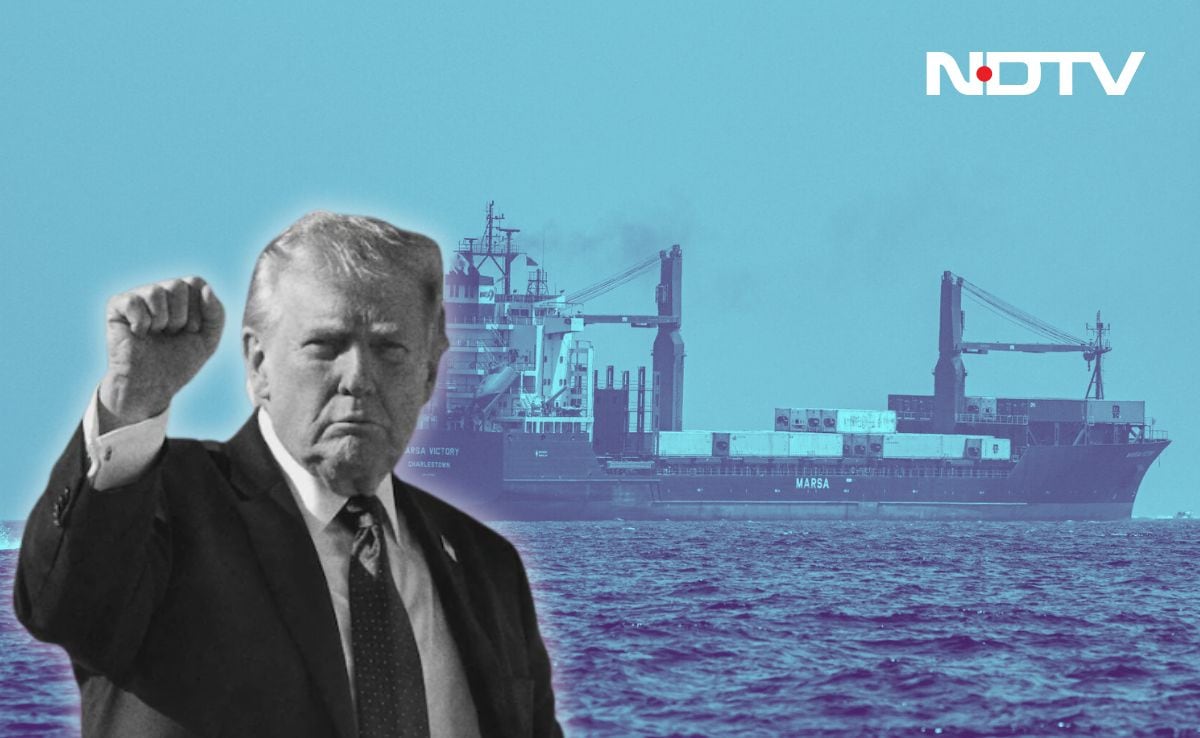
"Locked and loaded" isn't just a catchy phrase this time. It’s a direct directive to the U.S. Navy. The President has ordered an immediate blockade of the Strait of Hormuz, the world’s most vital oil chokepoint. If you think this is just another round of Middle East bickering, you’re missing the bigger picture. This move effectively cuts the oxygen to the Iranian economy and puts the global energy market on a knife-edge. Also making headlines in related news: Why Trump is Using a 50 Percent Tariff to Block Chinese Arms for Iran.
The Islamabad Breakdown
The talks in Pakistan weren't just a casual meet-and-greet. This was a high-stakes attempt to prevent the current conflict from turning into a generational war. The U.S. brought a 15-point plan to the table. The demands were non-negotiable: a permanent end to Iran’s nuclear enrichment, the dismantling of long-range missile sites, and the immediate reopening of the Strait of Hormuz.
Iran didn't budge. Their counter-offer—a 10-point plan—demanded reparations for recent strikes and continued "rights" over the Strait. When the sun rose in Islamabad on Sunday, the gap between the two sides was wider than when they started. Further details into this topic are detailed by USA Today.
JD Vance was blunt on his way to the airport. He told reporters that Iran had "chosen not to accept" the terms. He framed it as a massive strategic blunder for Tehran. According to him, the U.S. gave them an exit ramp, and they drove right past it. Now, the "maximum pressure" of the first term looks like child's play compared to what's coming.
Why the Strait of Hormuz Is the Only Map That Matters
You've probably heard that 20% of the world’s oil flows through this narrow strip of water. But let's look at what that actually looks like on the ground. When Iran effectively shut down the Strait earlier this year, gas prices didn't just "go up"—they exploded. Global markets plunged because modern industry can't survive a 20% supply shock.
Trump’s strategy is to flip the script. Instead of letting Iran use the Strait as a hostage, the U.S. Navy is now the jailer. By blockading ships that pay tolls to Iran or carry Iranian crude, the U.S. is aiming for a total economic blackout.
The Pentagon confirmed that CENTCOM forces began "setting conditions" for mine clearing and interdiction over the weekend. This is a massive logistical undertaking. It involves moving carrier strike groups into striking distance and using advanced drone tech to monitor every square inch of the waterway.
The Domestic Gamble and the November Midterms
Don't think for a second that this is only about foreign policy. We're months away from the 2026 midterm elections. Trump is betting that a "tough guy" stance on Iran will play better with voters than a messy, compromised peace deal.
The administration is also pushing a secondary narrative: buy American. With the Strait of Hormuz in chaos, the U.S.—now the world’s largest oil and gas producer—is positioning itself as the only reliable energy partner left. It’s a bold, "America First" sales pitch. Trump wants to show that he can cripple a rival and boost the U.S. energy sector at the same time.
However, the risks are sky-high. If the blockade leads to a direct naval confrontation, the "short, sharp" conflict Trump’s allies like Nikki Haley are calling for could easily turn into a multi-year quagmire. Republican hawks are already telling Trump to "finish the job" and target Iran's remaining nuclear infrastructure. They see this failure in Pakistan as the green light they've been waiting for.
What This Means for Your Wallet
If you're wondering how this affects your daily life, look at the energy tickers. Uncertainty is the enemy of the economy. A blockade means:
- Higher Transport Costs: Every ship diverted or delayed adds to the price of the goods inside the containers.
- Volatility: Expect the stock market to react violently to every tweet or Truth Social post regarding naval movements.
- Strategic Reserves: The U.S. might have to dip into the Strategic Petroleum Reserve again to keep domestic prices from hitting record highs.
This isn't just "saber-rattling." The deployment of the Navy to actively block shipping is a major escalation. It’s a move that says the era of "strategic patience" is dead.
Watch the Clock
The current two-week truce is set to expire on April 22. That’s the real deadline. While Pakistan’s Foreign Minister Ishaq Dar is still trying to play peacemaker, the window is slamming shut. Trump’s "locked and loaded" rhetoric suggests he’s already moved past diplomacy.
If you're an investor or just someone worried about the cost of living, keep your eyes on the Persian Gulf. The next ten days will determine if we’re looking at a contained economic siege or a full-scale regional war. Don't expect a sudden return to the negotiating table. The U.S. team is home, the ships are in position, and the President has made his stance clear: the talks failed, and the "heat" is just getting started.
Check your local energy prices and consider diversifying your portfolio away from high-volatility sectors until the April 22nd deadline passes. The markets hate a vacuum, and right now, the only thing filling the void is the sound of naval engines.