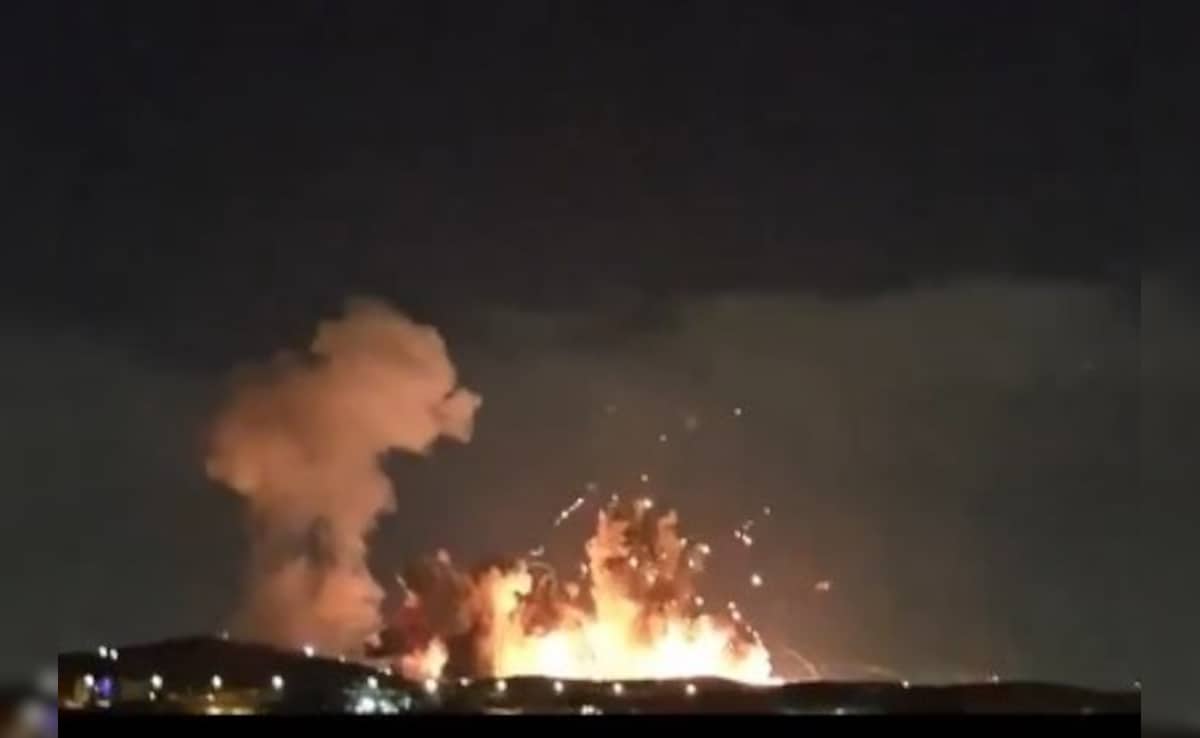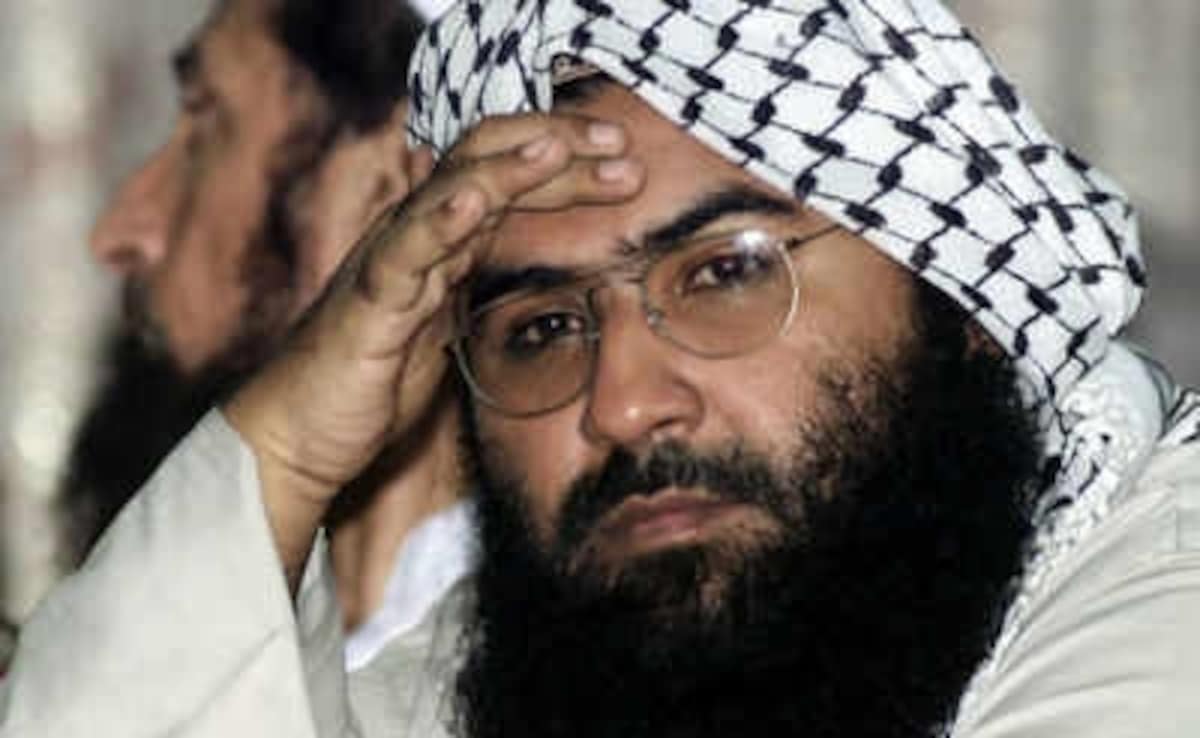
The news coming out of Bahawalpur is murky but significant. Ibrahim Azhar, the elder brother of the notorious Jaish-e-Mohammed (JeM) chief Masood Azhar, is dead. While the official line from local sources in Pakistan remains thin on details, the implications for the terror outfit’s internal hierarchy are massive. He wasn't just a sibling. He was a cornerstone of the organization’s operational history.
Reports suggest he passed away recently in Pakistan, though the exact cause of death hasn't been confirmed by any state agency. This silence is typical. When high-profile figures within these sanctioned groups die, the information usually trickles out through clandestine channels or brief Telegram posts before it ever hits a mainstream Pakistani news ticker. You won't see a state funeral. You'll see a quiet burial and a shift in the power dynamic. Meanwhile, you can find other stories here: The Cold Truth About Russias Crumbling Power Grid.
Who was Ibrahim Azhar anyway
If you followed the IC-814 hijacking in 1999, you know his name. Ibrahim was one of the hijackers who took control of the Indian Airlines flight from Kathmandu to Delhi. He was the muscle and the mind on the ground that forced the release of his brother, Masood Azhar, from an Indian prison. That event changed the course of South Asian security forever.
Ibrahim wasn't just a nostalgic figure from the nineties. He stayed active. Intelligence agencies have long tracked his movements across the border, specifically his role in training and recruitment. He was the bridge between the old guard of the Afghan jihad and the modern, tech-savvy version of Jaish that we see today. His death leaves a void that isn't easily filled by some random mid-level operative. To see the complete picture, check out the excellent analysis by The Guardian.
The man lived in the shadows for decades. Even after the hijacking, he managed to avoid international capture, shielded by the complex web of safe houses in Pakistan. His survival for this long was a testament to the protection these individuals enjoy in certain pockets of the Punjab province.
The mystery surrounding the cause of death
We don't know if it was a heart attack, a long-term illness, or something more "complicated." In this part of the world, when a high-ranking JeM member dies without an obvious reason, people start talking. Is it internal friction? Was it natural? The lack of transparency only fuels the fire.
The Pakistani government usually keeps these events under wraps to avoid international scrutiny. They're already under enough pressure from the FATF and global watchdogs to prove they're actually dismantling these networks. A public mourning period for a known hijacker would be a PR nightmare they can't afford right now.
I've seen this pattern before. When a leader dies, the organization spends weeks or months reorganizing. They don't just pick a new guy. They have to manage egos, regional loyalties, and the distribution of funds. Ibrahim controlled a lot of the logistical threads. Pulling those threads apart is going to be messy.
Why this matters for regional security
You might think the death of one man doesn't change the threat level. You'd be wrong. Ibrahim Azhar was a strategist. He understood the terrain. More importantly, he had the respect of the fighters because of his direct involvement in the 1999 hijacking. That kind of "street cred" is vital for keeping a group like Jaish cohesive.
Without him, the internal pressure on Masood Azhar increases. Masood himself has been rumored to be in poor health for years. If the top tier of the family-run enterprise starts crumbling, the group might splinter. Splinter groups are often more dangerous because they're unpredictable and desperate to prove their relevance through violence.
The family business of terror
Jaish-e-Mohammed isn't just a group. It's a family business. The Azhar family has kept a tight grip on the leadership for over two decades. Ibrahim was a key pillar. His other brother, Abdul Rauf Asghar, is also a major player. When one of these pillars falls, the weight shifts to the others.
The dynamics between these brothers were what kept the group stable. Ibrahim handled the operations, while others handled the theology and the funding. Losing the operational head means their ability to coordinate complex attacks might take a hit in the short term. Don't expect them to disappear, though. These organizations are resilient. They've built a system that outlives individuals.
The silence from Islamabad
Don't expect a press release from the Pakistani Ministry of Foreign Affairs. Their standard operating procedure is to pretend these individuals don't exist on their soil. If they acknowledge the death, they acknowledge the presence. It's a game of shadows they've played since the eighties.
India is likely watching this closely. Intelligence agencies in Delhi are probably scouring every bit of electronic signal and human intel they can find. Confirming the death and identifying the successor is the top priority right now. Knowing who's holding the keys to the armory is essential for border security.
What happens in the coming weeks
The local mosques in Bahawalpur and surrounding areas will likely hold small, private prayers. The chatter on encrypted messaging apps will spike. Keep an eye on how the group's propaganda arms react. If they lionize him, they're looking to use his death as a recruitment tool. If they stay silent, they're worried about their own safety.
You should watch the border activity. History shows that these groups often try to "honor" a fallen leader with a fresh surge of activity. It's a morbid way of showing the world they're still in the game. Security forces in Jammu and Kashmir are undoubtedly on high alert for this exact reason.
The death of Ibrahim Azhar marks the end of an era for the 1999 hijackers. Most are now dead, in prison, or deep in hiding. But the ideology they helped build is still very much alive. Tracking the movement of the surviving Azhar brothers is the next logical step for anyone interested in the stability of the region. Keep your eyes on the shuffle within the JeM leadership ranks—that's where the real story will unfold. Verify information through multiple sources before believing any "official" leaks from the region. The truth is usually buried under layers of spin.