Two hundred meters below the shimmering, turquoise surface of the Arabian Sea, the world does not exist. There is no sunlight. There is no wind. There is only the rhythmic, mechanical heartbeat of a nuclear reactor and the pressurized hum of a steel hull holding back the crushing weight of the Indian Ocean.
In this liquid void, seventy feet of high-grade metal are all that separate a hundred sailors from an environment that would flatten them in an instant. They live in a world of artificial light and recycled air, where time is measured not by the rising sun, but by the rotation of watch cycles. This is the reality of a British Astute-class submarine. It is a multibillion-dollar apex predator, currently positioned in one of the most volatile maritime corridors on the planet.
While the headlines in London and Washington focus on diplomatic cables and satellite imagery, the actual stakes are felt in the recycled oxygen of the mess deck. This isn't just a "deployment." It is a calculated move in a high-stakes game of geopolitical chess where the most powerful piece is the one nobody can see.
The Engineering of Invisibility
To understand why a single vessel matters so much, you have to understand the sheer, terrifying complexity of its existence. An Astute-class submarine is arguably the most complicated machine ever built by human hands. It is more intricate than a space shuttle. It creates its own water. It scrubs its own air. It can circumnavigate the globe without ever breaking the surface, limited only by the amount of food tucked into every available corner of the galley.
The propulsion is near-silent. Imagine a machine the size of a city block moving through the water with less noise than a household refrigerator. This silence is its primary weapon. In the Arabian Sea, where regional tensions are currently vibrating at a frequency that threatens to shatter global trade, the presence of a UK nuclear-powered submarine serves as a "silent enforcer."
It doesn't need to fire a shot to be effective. Its power lies in the uncertainty it creates in the minds of adversaries. If they don't know exactly where it is, they have to assume it is everywhere.
A Pressure Cooker of Human Will
Now, consider the person sitting at the sonar console. Let's call him Miller. Miller is twenty-four years old. He has spent the last six weeks staring at a screen, his ears covered by high-fidelity headphones, listening to the ocean. He isn't just looking for ships. He is listening for the specific acoustic signature of a cargo vessel, the cavitation of a distant propeller, or the tell-tale "ping" of a hostile sensor.
Miller represents the human cost of "regional stability." While we scroll through news updates on our phones, Miller is missing his sister’s wedding or the birth of a nephew. He lives in a bunk the size of a coffin, stacked three high. In this environment, the abstract concept of "deterrence" becomes very concrete. It’s the smell of diesel and sweat. It’s the taste of UHT milk. It’s the psychological discipline required to remain calm while knowing that you are the most hunted object in the water.
The Arabian Sea is a claustrophobic theater. To the north lies the Strait of Hormuz, a narrow choke point where a significant portion of the world's oil supply passes daily. If that vein is pinched, global economies don't just slow down—they seize.
The submarine’s presence is a message written in sonar: The lanes remain open.
The Geometry of Tension
Why now? The Daily Mail reports of this positioning come at a moment when the Middle East is a tinderbox. When a UK submarine moves into these waters, it isn't just a solo act. It is part of a coordinated net of Western intelligence and fire-power.
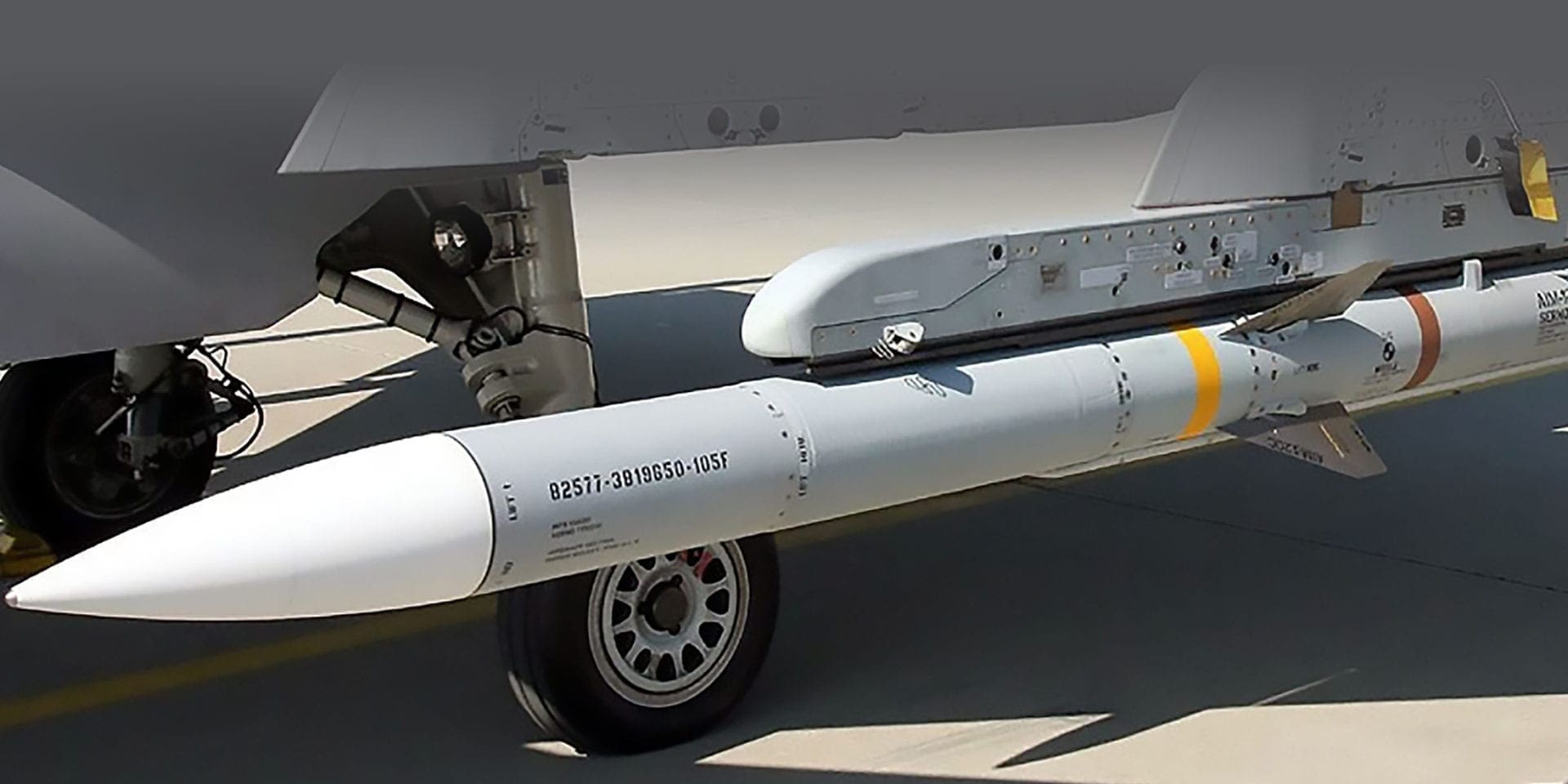
Submarines like the ones currently lurking near the Gulf of Oman are equipped with Tomahawk Land Attack Missiles. These are not blunt instruments. They are surgical. A Tomahawk can be launched from a vertical tube while the submarine is submerged, travel over a thousand miles, and hit a target with the accuracy of a few meters.
This capability changes the math for any regional actor looking to escalate the conflict. It removes the safety of distance.
Consider the metaphor of a dark room. If you know there is a guard in the room with a flashlight, you can track him. You can move when he looks away. But if you know there is a guard in the room who can see perfectly in the dark, and you have no idea where he is standing, you don't move at all. You stay very, very still.
The Ghost in the Machine
There is a common misconception that nuclear-powered means nuclear-armed. While the UK’s Vanguard-class submarines carry the Trident nuclear deterrent, the Astute-class vessels—like the one reported in the Arabian Sea—are hunter-killers. They are powered by a nuclear reactor, giving them effectively infinite range, but their sting is conventional.
Yet, the "nuclear" label carries a psychological weight that cannot be ignored. It signals a level of commitment from the British government that a standard frigate or destroyer simply doesn't convey. Sending a submarine is a "deep-state" signal. It is an admission that the situation is serious enough to warrant the deployment of a nation's most secretive and expensive assets.
The ocean is big. The Arabian Sea covers over 1.4 million square miles. Finding a submarine in that volume of water is like looking for a specific grain of sand in a desert during a windstorm.
The Weight of the Silence
What happens if the tension breaks? This is the question that haunts the quiet hours of the night shift. For the crew, the transition from peace to "kinetic action" is instantaneous. There is no long buildup, no marching across a field. There is only the command to "flood tubes."
The emotional core of this story isn't found in the technical specifications of the Spearfish torpedoes or the range of the sonar suites. It is found in the silence. It is the silence of a mother in Plymouth waiting for a letter that can’t be sent because the ship is in "comms black." It is the silence of a commander weighing the lives of his crew against the strategic needs of a continent.
We often talk about war and peace as if they are binary states—on or off. The reality in the Arabian Sea is a gray zone. It is a state of "competitive persistence." The submarine exists in this gray zone, a shadow moving through the deep, ensuring that the world above can continue to turn, oblivious to the steel ghost keeping watch beneath the waves.
The true power of the vessel isn't the missiles it carries or the reactor that drives it. The power is the memory of its presence. Even after it leaves, the shadow remains. The adversary continues to look at the empty water, wondering if the steel hull is still there, waiting, listening, and breathing in the dark.
Somewhere beneath the whitecaps of the Arabian Sea, Miller is still wearing his headphones. He adjusts a dial. He hears the clicking of a pod of dolphins, the distant groan of a tanker, and the endless, shifting weight of the sea. He is the guardian of a peace that most people will never have to think about, living in a pressurized tube, waiting for a signal that he hopes will never come.
The ocean keeps its secrets. But today, the secret is a hundred thousand tons of British engineering, tucked quietly under the thermal layer, holding the line.
The surface of the water remains calm, reflecting the sun, giving nothing away.