Dozens of bodies including children exhumed from mass grave in Kenya aren't just statistics in a police report. They're the physical evidence of a massive systemic failure. When news broke that investigators started pulling remains from the red soil of the Shakahola forest, the world recoiled. But if you’ve followed the rise of charismatic, unregulated movements in East Africa, you know this wasn't a sudden fluke. It was a slow-motion disaster.
The scale of the tragedy is hard to stomach. We're talking about hundreds of people who followed a single man, Paul Mackenzie, into a 800-acre forest under the guise of meeting Jesus through starvation. It sounds insane to an outsider. It sounds like something that shouldn't happen in 2024 or 2025. Yet, here we are, watching forensic teams in white hazmat suits dig up shallow graves in a remote part of Kilifi County.
The Grim Reality of the Shakahola Forest Exhumations
The numbers keep climbing. Every time the government pauses the exhumation process to deal with logistics or weather, they come back and find more. The most heartbreaking part involves the children. Pathologists like Johansen Oduor have been clear about the findings. Many of these kids didn't just die of hunger. Some showed signs of strangulation or blunt force trauma.
It suggests a level of coercion that goes way beyond "voluntary" fasting.
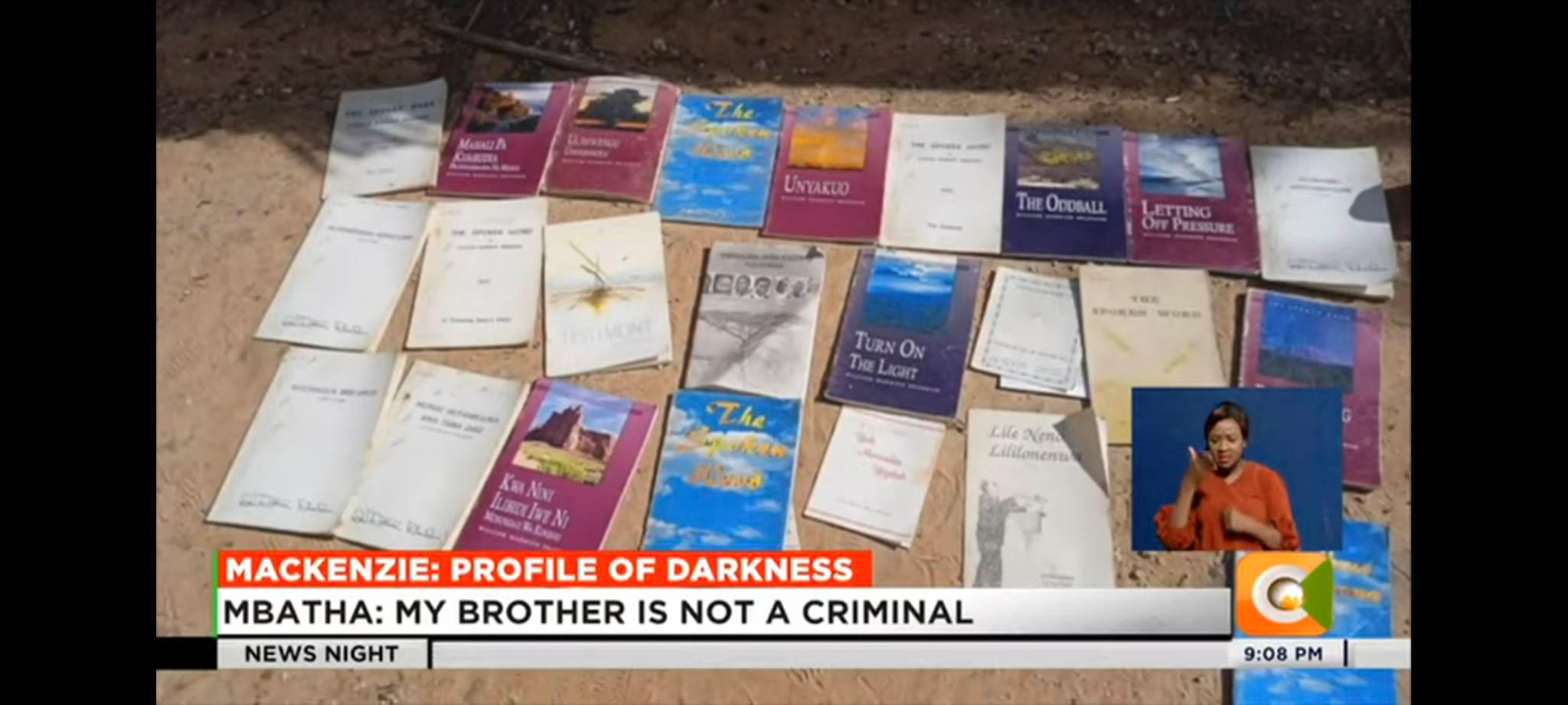
When you look at the Shakahola forest, you see a graveyard that was hidden in plain sight. Mackenzie, a former taxi driver turned preacher, set up the Good News International Ministries and convinced people to sell their land, quit their jobs, and destroy their "earthly" documents. They went into the woods to wait for the end of the world.
The timeline of the exhumations reveals a terrifying efficiency. Teams have found graves with entire families buried together. In some cases, five or six bodies were crammed into a single hole. This wasn't a series of isolated incidents. It was a planned, organized mass expiration.
Why the Kenyan Authorities Missed the Red Flags
You have to ask how this stayed a secret for so long. Kenya is a deeply religious country. It's a place where "men of God" carry immense social capital. This status often acts as a shield against scrutiny.
Mackenzie had been on the radar of law enforcement before. He was arrested in 2017 and 2019 for his radical teachings, including telling parents to keep their children out of school. Each time, he walked free on low bail. The judicial system treated him like a nuisance rather than a threat.
The local intelligence failed too. Neighbors and even some family members of the victims tried to raise the alarm. They reported people disappearing into the forest. They spoke about the "guards" Mackenzie used to keep people from leaving. These reports often hit a wall of bureaucracy or, worse, indifference.
It’s a classic case of seeing what you want to see. The authorities saw a fringe religious group. They didn't see a death camp.
The Psychology of the Fast to Death
It's easy to call the victims "gullible," but that's a lazy take. It's also wrong. People from all walks of life were found in those graves. There were flight attendants, teachers, and professionals alongside rural villagers.
The manipulation used here was sophisticated. Mackenzie didn't just tell them to starve. He created an environment of total isolation. Once you're in the forest, away from your support system, and physically weakened by lack of food, your critical thinking vanishes.
He told them children should die first, then women, then men, and finally himself. Of course, he didn't follow through on the last part. He was found well-fed when the police finally moved in.
Radicalization Under the Guise of Faith
We often talk about radicalization in the context of political or extremist groups. We rarely apply it to domestic "prophets." But the process is identical.
- Isolation: Removing the individual from "worldly" influences.
- Fear: Using the threat of hell or missing out on salvation.
- Control: Dictating every aspect of life, from what to eat to who to talk to.
The Legal and Social Aftermath
The Kenyan government is now scrambling. President William Ruto described the events as akin to terrorism. While that's a strong statement, the follow-up has been messy.
There's a massive debate happening right now about the regulation of churches. In Kenya, the right to worship is protected by the constitution. Many legitimate religious leaders are terrified that new laws will give the government too much power over the pulpit. On the flip side, without some form of oversight, how do you stop the next Mackenzie?
The Senate established a committee to look into the deaths. They've heard harrowing testimony from survivors who managed to crawl away or were rescued by activists. These survivors are often traumatized and still brainwashed, believing they "failed" their mission by not dying.
Identifying the Bodies
The DNA testing process has been a nightmare. Many of the bodies were badly decomposed by the time they were exhumed. Families have been waiting months to get the remains of their loved ones back for a proper burial. This delay adds a layer of cruelty to an already unbearable situation.
The government's morgues in the region were completely overwhelmed. They had to bring in refrigerated containers just to store the hundreds of bags being pulled from the earth.
What Needs to Change Immediately
If we want to stop seeing headlines about mass graves in Kenya, we can't just wait for the next court date.
First, the "self-regulation" of religious organizations isn't working. There has to be a clear, enforceable legal framework that tracks these groups without infringing on actual faith. If a "church" starts asking people to sell all their assets and move into a forest, that should trigger an automatic, high-priority investigation.
Second, the police need better training on how to handle reports of cult activity. Too often, these are dismissed as "family matters" or "religious freedom."
Third, there has to be a focus on mental health and de-radicalization for survivors. You can't just take someone out of a cult and expect them to go back to normal. They need long-term support.
Final Reality Check
The Shakahola massacre is a stain on the national conscience. It's a reminder that when we prioritize "freedom of religion" over "freedom from harm," the results are fatal.
If you're following this story, don't just look at the body count. Look at the structures that allowed a man to operate a death cult for years without being stopped. The exhumations are almost over, but the search for accountability is just starting.
Check local Kenyan news outlets like The Nation or The Standard for the latest on the DNA identification progress. If you suspect a loved one is being drawn into a high-control group, contact the Kenya National Commission on Human Rights immediately. Don't wait for them to disappear into the woods.