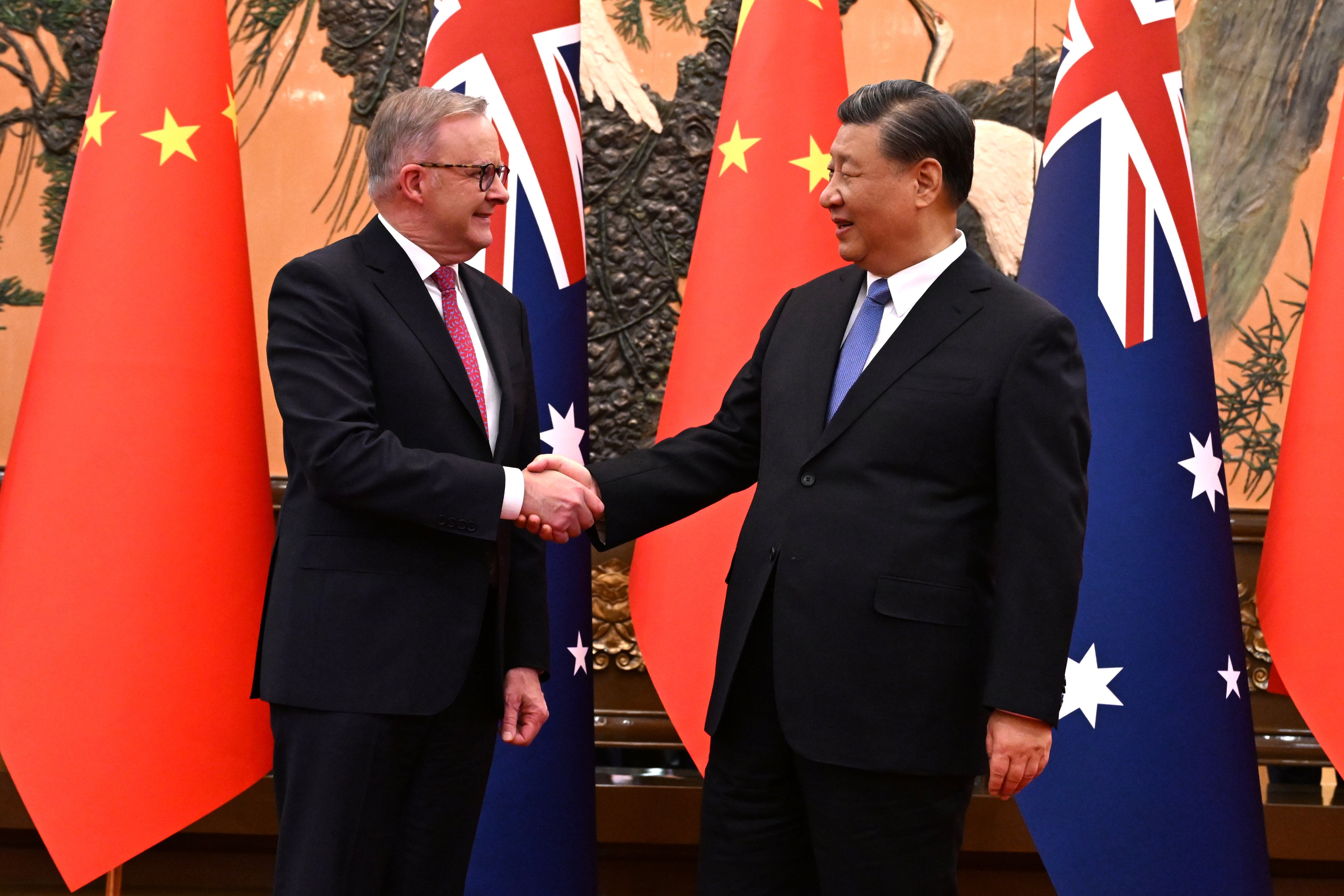
The Kremlin's diplomatic overtures toward Tehran following regional escalations represent a calculated effort to monetize Moscow’s remaining Middle Eastern influence into a strategic buffer against Western isolation. While media reports focus on the superficial optics of "peace efforts," a structural analysis reveals a sophisticated model of geopolitical arbitrage. Russia is attempting to trade its historical ties with Israel and its deepening military integration with Iran to position itself as the sole "honest broker" capable of preventing a total regional collapse—a role the United States cannot occupy due to its explicit security guarantees to Israel.
The Triangulation of Russian Interests
Moscow’s strategic calculus operates on three distinct levels of utility. First, the maintenance of the status quo in Syria requires a functional, if tense, cooperation with Iranian-backed militias and Russian air power. Second, the ongoing conflict in Ukraine has created a dependency on Iranian drone and missile technology, shifting the power dynamic from a patron-client relationship to one of mutual necessity. Third, by appearing to mediate, Russia signals to the Global South that it remains a global power despite the sanctions regime.
The "Peace Effort" is not an altruistic venture but a mechanism to manage the following variables:
- Risk Mitigation: Preventing a direct Iran-Israel war that would force Russia to choose sides, potentially losing its Mediterranean naval assets in Tartus or its military-industrial supply chain from Tehran.
- Resource Preservation: Any large-scale Middle Eastern war would divert global attention, but it would also jeopardize the energy price stability that the Russian budget requires to sustain its domestic economy.
- Diplomatic Leverage: Creating a situation where Western capitals must eventually engage with Moscow to restrain Tehran, thereby breaking the "pariah" narrative.
The Iranian Constraint and the Proxy Variable
Iran’s regional strategy relies on "Forward Defense," using proxies in Lebanon, Iraq, and Yemen to keep conflict away from its borders. When Vladimir Putin communicates with Masoud Pezeshkian, he is navigating a rigid security doctrine. Iran views its nuclear program and its proxy network as existential imperatives. Consequently, any Russian offer of "help" must be viewed through the lens of Iranian internal politics—specifically the tension between the pragmatic presidency and the ideological Revolutionary Guard (IRGC).
Russia’s leverage over Iran is often overestimated. While Moscow provides satellite intelligence and potentially advanced Su-35 fighter jets, Iran provides the loitering munitions essential for Russian operations in Eastern Europe. This creates a "Circular Dependency." If Russia pushes Iran too hard to de-escalate, it risks losing the very military support it needs for its own primary theater.
The Mechanism of De-escalation as a Commodity
Strategic mediation in this context functions as a commodity. Russia offers Iran "diplomatic air cover" at the UN Security Council in exchange for Iranian restraint that prevents a regional conflagration. This de-escalation is valuable to the West, and Russia intends to charge a high price for it.
The structural failure of current diplomatic efforts lies in the "Incentive Mismatch."
- The US Objective: Total containment of Iran and protection of Israel.
- The Iranian Objective: Sanctions relief and regional hegemony.
- The Russian Objective: Controlled instability that remains below the threshold of total war but high enough to keep oil prices elevated and Western resources divided.
Russia uses "Strategic Ambiguity" to maintain this balance. By refusing to condemn Iranian actions fully while simultaneously calling for "all parties to show restraint," Moscow preserves its ability to talk to every actor, including the Gulf monarchies.
The Security Architecture of the Caspian-Levant Axis
The deepening of the Russia-Iran relationship has moved beyond tactical convenience into a structural alignment. The development of the International North-South Transport Corridor (INSTC) is a physical manifestation of this axis. This bypasses the Suez Canal and Western-controlled maritime routes, linking St. Petersburg to the Indian Ocean via Iranian rail and port infrastructure.
This corridor changes the cost-benefit analysis of regional war. For Russia, a conflict that closes the Persian Gulf is no longer just a global economic headache; it is a direct threat to its new sovereign trade route. Therefore, Putin’s calls for peace are driven by the necessity of protecting this "Sanction-Proof" logistics chain.
Limitations of the Russian Mediation Model
The Russian "Peace Offer" faces three fundamental bottlenecks that likely render it a theater of optics rather than a functional solution:
The Intelligence-Kinetic Gap
Russia possesses the diplomatic channels to talk to Tehran but lacks the kinetic leverage to stop the IRGC from acting independently. If Israel targets Iranian soil directly, the internal pressure on the Iranian regime to respond will outweigh any "advice" coming from the Kremlin.
The Israeli Fracture
Historically, Putin maintained a productive relationship with Benjamin Netanyahu, evidenced by the "Deconfliction Line" in Syria. However, the Russia-Iran military alignment has severely degraded this trust. Israel now views Russia as a facilitator of its primary threat, reducing Moscow's ability to act as a bridge.
The Economic Asymmetry
Russia cannot offer Iran the one thing it truly needs for long-term stability: reintegration into the global financial system. Moscow is itself excluded from that system. This means Russia can offer hardware and vetos, but it cannot offer a sustainable peace dividend.
The Strategic Recommendation for Regional Actors
Stakeholders must decouple the "Public Putin" from the "Analytical Kremlin." The public offer of mediation is a branding exercise. The actual strategic play is the preservation of the Iranian "Threat Profile" at a level that keeps the US preoccupied but does not trigger a collapse of the current regional order.
For the Iranian leadership, the Russian alignment serves as a hedge against internal instability and external decapitation strikes. For the West, acknowledging Russia’s role as a mediator implicitly validates the Kremlin's return to the "Great Power" table.
The optimal strategy for regional stability requires recognizing that Russia is not a neutral arbiter but a stakeholder with a vested interest in a "Low-Intensity Perpetual Conflict." Effective de-escalation will only occur when the cost of Iranian proxy activity exceeds the benefits of Russian diplomatic protection, a threshold that has not yet been met. The current "calls for peace" are a management tactic designed to extend the lifespan of the current geopolitical friction, not to resolve it. Expect Russia to continue providing Iran with advanced defensive capabilities—specifically S-400 missile systems—to increase the cost of an Israeli or American strike, thereby enforcing a "Mutual Assured Destruction" at the regional level that preserves the current axis of influence.