The feel-good story is a trap. You’ve seen the headlines: a group of regular folks chips in $500, buys a "piece" of a Thoroughbred, and suddenly they’re sipping mint juleps in the owner’s box at Churchill Downs. It is the ultimate sports lottery ticket, marketed as the democratization of the "Sport of Kings."
It’s a lie.
It isn't a lie because the horse doesn't exist, or because the Derby isn't real. It’s a lie because "micro-ownership" as currently sold is not an investment, nor is it true ownership. It is high-priced cosplay. If you spent that $500 on a seat in the stands and a handful of losing tickets, you’d at least be honest with yourself about your ROI. Instead, thousands of people are being sold a "dream" that is mathematically designed to dilute their influence and evaporate their capital.
The Mirage of the $500 Entrance Fee
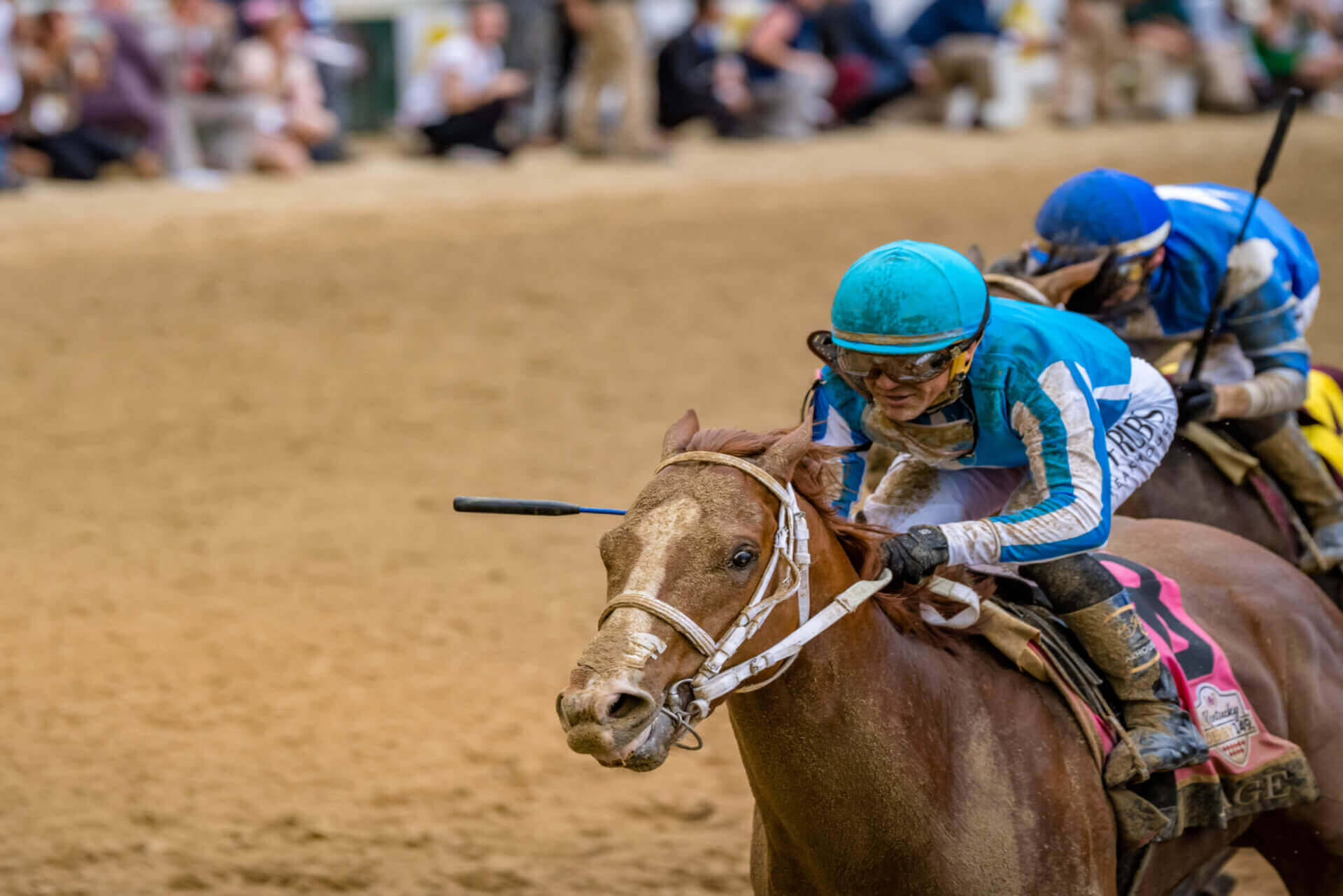
The "horse parent" narrative relies on a specific type of survivor bias. For every Mage—the 2023 Derby winner who had nearly 400 micro-owners through the Commonwealth platform—there are thousands of unnamed yearlings that never break maiden, never see a stakes race, and eventually disappear into the expensive void of retirement or lower-tier claiming races.
When you buy a share for $500, you aren't buying equity in the way a venture capitalist buys into a startup. You are paying a massive premium for the administrative overhead of the platform, the marketing costs of the "experience," and the legal fees of the LLC structure.
In a traditional partnership, expenses are pro-rated. In micro-ownership, the "management fees" often eat the majority of any potential purse winnings before a cent reaches the "owners." You are the product, not the partner.
The Myth of Control
Real ownership in horse racing involves the "three Ds": Decisions, Dirt, and Debt.
- Decisions: If you own 0.01% of a horse, you have zero say in which trainer gets the horse, which jockey sits in the irons, or which races the horse enters. You are a spectator with a certificate.
- Dirt: True owners deal with the grit. They visit the backside at 5:00 AM. They talk to the grooms. They understand the mechanics of a bowed tendon or a respiratory infection. Micro-owners get a sanitized email update written by a social media manager.
- Debt: This is the most dangerous part. Professional owners know that the purchase price is the cheapest part of the horse. The monthly "nut"—stabling, vet bills, insurance, vanning—can run $5,000 to $10,000 per month for a single horse in a top-tier circuit. Micro-platforms often "pre-fund" these costs into the share price. This sounds convenient, but it means you are overpaying upfront for a future that might never happen.
The Math of the Purse
Let's look at the cold, hard numbers of the winner's circle. A $3 million Grade I purse sounds like a mountain of cash. But after the dust settles, the reality is a molehill.
The standard breakdown for a winning purse is:
- 10% to the Trainer.
- 10% to the Jockey.
- 5% to the Grooms and backstretch staff.
That leaves 75% for the owner. If the horse is owned by a syndicate that takes a management cut, and then further divided among 1,000 micro-shareholders, your "Derby Winning" check might barely cover a nice dinner for two in Louisville. You aren't getting rich. You aren't even breaking even. You are subsidizing the lifestyle of the 2% stake-holders who actually run the show.
Why "Democratization" is a Dirty Word
In finance, when people talk about "democratizing" an asset class, it usually means the smart money has found a way to offload risk onto the public. Horse racing is no different.
The Thoroughbred industry is a brutal, high-attrition business. Historically, it was funded by billionaires who treated losses as tax write-offs or the price of social prestige. By breaking a horse into 5,000 micro-shares, platforms have created a way to fund expensive bloodstock without the "whales" having to carry the full risk.
You are providing liquidity to an illiquid market. You are the exit strategy for the original breeders and bloodstock agents who need to recoup their auction prices.
The "Experience" is an Overpriced Commodity
The counter-argument is always: "I'm not doing it for the money; I'm doing it for the experience."
This is the most successful marketing pivot in the history of the sport. By labeling it an "experience," platforms escape the scrutiny of being a bad investment. But let’s analyze the "experience." You get a badge to a crowded paddock, a chance to stand in a group photo with 200 strangers, and access to a digital dashboard.
You can get the same "experience" by becoming a regular at your local track, befriending a trainer, and learning the actual nuances of the form. The micro-ownership model offers a hollowed-out version of the sport—the highlights without the heartbreak, the status without the sweat.
The Ethical Blind Spot
The "horse parent" branding is intentionally sentimental. It masks the reality that Thoroughbred racing is a high-stakes, industrial process. Horses are athletes, yes, but they are also depreciating assets.
When a micro-owned horse fails to perform, the "parents" often disappear. The platform might sell the horse in a private transaction, and the micro-owners receive a final notification that their "investment" has reached its end. There is a disconnect between the "parental" branding and the cold reality of the claiming ranks. True ownership requires a plan for the horse's "aftercare"—a responsibility that is often buried in the fine print of a 50-page digital prospectus.
How to Actually Own a Horse (The Hard Way)
If you actually want to be in the game, stop buying "shares" in a dream and start looking at smaller, regional partnerships.
- Find a local trainer: Go to a track like Belterra, Penn National, or Lone Star. Find a trainer with a high win percentage and a small barn.
- Buy a "leg": A 5% or 10% stake in a $15,000 claimer gives you more "ownership" than a 0.01% stake in a Derby hopeful. You will actually be invited to the barn. You will see the bills. You will understand why the horse is wearing blinkers for the first time.
- Accept the loss: In a small partnership, you are responsible for the bills. If the horse doesn't run, you pay. This is the only way to respect the gravity of the sport.
The Industry Needs Your $500, But You Don't Need the Industry
Horse racing is in a tailspin. Handle is stagnant, tracks are closing, and the public is increasingly skeptical of the sport’s ethics. Micro-ownership is a desperate attempt to bring "new blood" into a dying ecosystem. It’s a way to manufacture fans by giving them a tiny, expensive sliver of skin in the game.
But the game is rigged against the small player. The tax laws favor the wealthy owners (Section 179 depreciation, anyone?). The stakes schedules favor the massive barns. The micro-ownership platforms favor the house.
If you have $500 and you want to spend it on a horse, don't buy a share in a syndicate. Go to a horse rescue. Sponsor a retired Thoroughbred’s hay and vet bills for a few months. You’ll get the same "updates," you’ll actually help an animal, and you won't be under the delusion that you're the next Penny Chenery.
The Derby is a spectacle. Enjoy it for what it is: a two-minute sprint fueled by tradition and ego. But don't think for a second that your $500 makes you a "parent" or a "player." It makes you a donor.
Stop buying the hype. If you want to own a piece of history, buy a program and keep it in a drawer. The odds are better, and the costs of stabling are significantly lower.


