History is a collection of lies agreed upon by people who weren’t there, and the current shouting match between Kedah and Penang is the loudest, most expensive lie in modern Malaysian politics.
The "robbery" narrative—the idea that the British East India Company swindled a naive Sultan in 1786 and that Penang somehow "belongs" to Kedah—is a historical comfort blanket. It is used by politicians to distract from fiscal mismanagement and a fundamental misunderstanding of how modern states actually function. If you think the "Sovereignty Row" is about 18th-century treaties, you are being played. This isn't a legal dispute. It’s a desperate attempt to monetize a ghost.
Let’s burn the script. Penang wasn’t stolen; it was leased in a deal that Kedah’s leadership at the time considered a strategic necessity. More importantly, the obsession with "returning" Penang is a signal of intellectual bankruptcy. While the world fights for semiconductor dominance and digital infrastructure, the northern corridor is bickering over boundaries drawn by men in powdered wigs who died 200 years ago.
The Lease that Never Ended
The core of the argument rests on the 1786 and 1800 agreements between Sultan Abdullah Mukarram Shah and Francis Light. Critics love to scream "coercion" and "illegality." In reality, Kedah was caught between the crushing weight of the Siamese (Thai) Empire and the opportunistic Bugis. Light didn't just show up and plant a flag; he offered a shield.
Kedah wanted protection. The British wanted a port. The deal was a trade of sovereignty for security—a transaction as old as civilization. When the British failed to provide that military protection against the Siamese invasion of 1821, the contract was technically breached. But here is the hard truth: International law does not have a "Ctrl+Z" button for 200-year-old grievances.
Modern Malaysia was built on the Federation of Malaya Agreement 1948 and the Federal Constitution of 1957. These documents didn't just inherit British borders; they codified them. When Kedah signed on to the Federation, it accepted the status of Penang as a separate entity. You cannot sign a mortgage, pay it for 60 years, and then claim the bank "stole" your house because your great-grandfather didn't like the original realtor.
The Rent Trap
Kedah currently receives an annual "honorarium" of RM10,000, which the Federal Government bumped up to RM10.01 million in 2018. Kedah’s leadership now demands RM100 million.
This isn't about sovereignty. This is a shakedown.
By demanding a higher price for the "lease," Kedah is actually validating the very status quo it claims to despise. If Penang were truly "stolen," you wouldn't ask for more rent; you’d ask for the keys back. By putting a price tag on the grievance, the state is admitting that its "sovereign pride" is actually just a line item in a budget deficit.
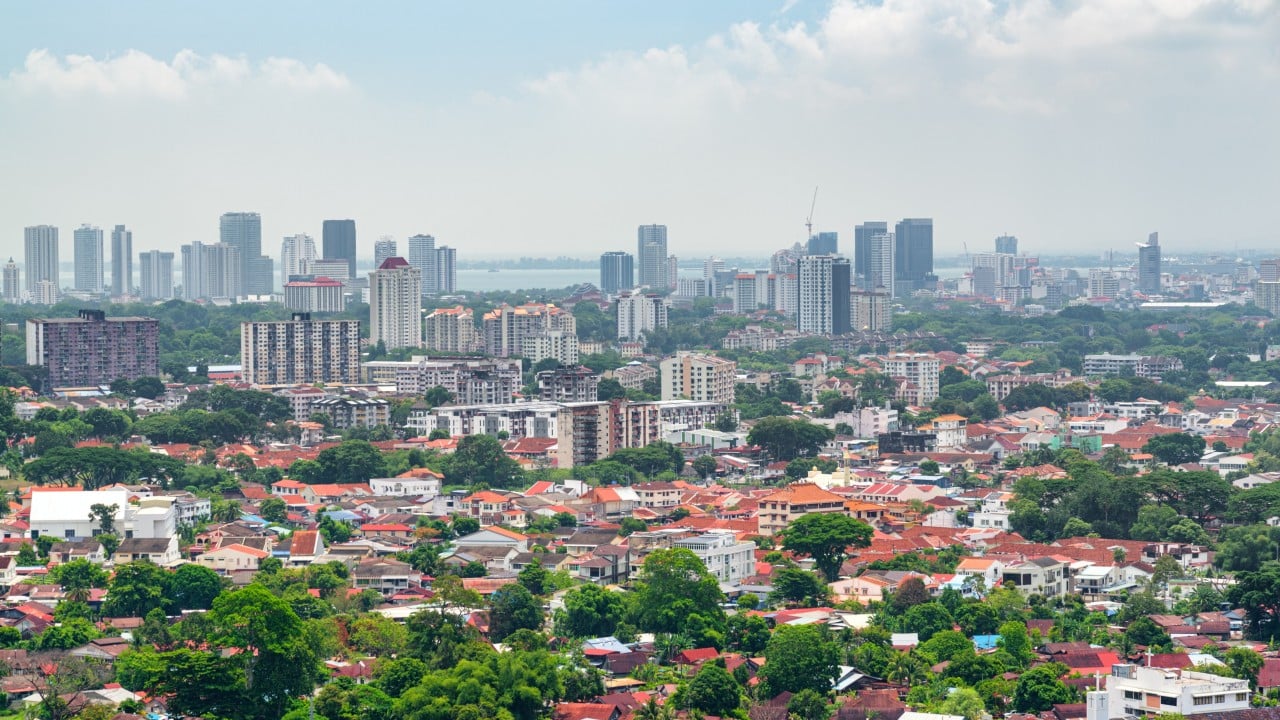
Let's look at the math. Penang is a high-octane economic engine. It contributes significantly to the national GDP through its manufacturing sector. Kedah, largely agrarian and struggling to industrialize at the same pace, looks across the border and sees a wallet, not a long-lost sibling. The "robbery" narrative is the perfect populist tool: it creates an external enemy (Penang) to blame for internal poverty.
The Geopolitical Delusion
If we actually entertained the idea of "returning" Penang to Kedah, we would trigger a constitutional and economic meltdown that would make Brexit look like a playground dispute.
- Investment Flight: Multinational corporations in the Bayan Lepas Free Industrial Zone didn't sign up to be part of Kedah. They signed up for Penang’s specific legal and administrative ecosystem. The moment you blur those lines, the capital leaves for Vietnam or Thailand.
- The Federal Domino Effect: If Kedah can reclaim Penang based on pre-colonial maps, why can’t Johor claim Singapore? Why can’t Thailand claim the northern four states? Once you start redrawing maps based on "historical injustice," you dissolve the very concept of the Malaysian Federation.
Water as a Weapon
The most cynical part of this "sovereignty" row is the weaponization of the Muda River. Kedah’s threats to block or divert water flowing into Penang is not the act of a "wronged" state; it’s a violation of the fundamental right to resources.
In any civilized federation, resource management is a collaborative effort. By framing water as a "Kedah-first" commodity, the state is signaling that it views its fellow Malaysians as customers rather than citizens. This "resource nationalism" is the fastest way to kill a country’s collective growth.
Penang provides the industrial jobs that many Kedahans travel across the border for every single day. If you choke Penang, you choke the very economy that sustains your own people. It’s a "scorched earth" policy that ignores the integrated reality of the 21st century.
The Failure of the "Victim" Narrative
I’ve seen states and regions across the globe fall into this trap. They spend decades litigating the past while the future passes them by. Kedah has massive potential. It has land, it has a strategic position, and it has a hardworking population. But as long as the leadership is obsessed with "rectifying" 1786, they will fail to compete in 2026.
The "robbery" claim is a ghost story told to keep people from asking why Kedah’s own industrial parks aren't thriving like Penang’s. It’s easier to point at a map and shout "Thief!" than it is to build a competitive tax environment, upgrade the digital grid, and retain talent.
Stop Asking for Rent, Start Building Value
The real "People Also Ask" query should not be "Was Penang robbed?" but rather "Why can't Kedah compete?"
The answer is brutal: You can't build a modern economy on a foundation of resentment. Penang’s success isn't stolen from Kedah; it was built on a specific set of policies, maritime advantages, and a commitment to global trade that Kedah could have emulated but chose to ignore in favor of traditionalism.
If Kedah wants RM100 million, or RM1 billion, it shouldn't be through an "honorarium" that reeks of feudalism. It should be through a sophisticated, federalized tax-sharing agreement that rewards Kedah for being the "water tower" and the "paddy field" of the north. But that requires a seat at the table, not a megaphone at a rally.
Sovereignty isn't a piece of paper from the 18th century. It is the ability to provide for your people in the present. If you are begging for "rent" from a neighbor you claim to own, you have already lost your sovereignty.
The row over Penang is a necrophilic obsession with a dead empire. It’s time to bury the 1780s and figure out how to survive the 2030s. Every minute spent arguing over Francis Light is a minute lost to the reality that Penang is gone, it’s thriving, and it isn't coming back.
Stop looking for the thief in the history books and start looking for the architect in the mirror.