If you’ve lived in Los Angeles for more than five minutes, you know that Ventura Boulevard is basically the "Sushi Row" of the Western world. It’s crowded. It’s competitive. New spots with neon signs and TikTok-friendly interiors pop up every season, promising the "most authentic" experience you've ever had. But then there’s Iroha Sushi of Tokyo.
Tucked away behind a modest storefront in Studio City, this place doesn’t need a PR firm. It doesn’t need a flashy influencer campaign. Honestly, it barely needs a sign. Iroha has been a staple since the late 90s, and while the "vibe" in LA shifts every few weeks, this place remains stubbornly, wonderfully consistent. It’s the kind of spot where you’ll see a celebrity hiding in a corner booth next to a family who’s been coming here for twenty years.
The Mystery of the "Hidden" Entrance
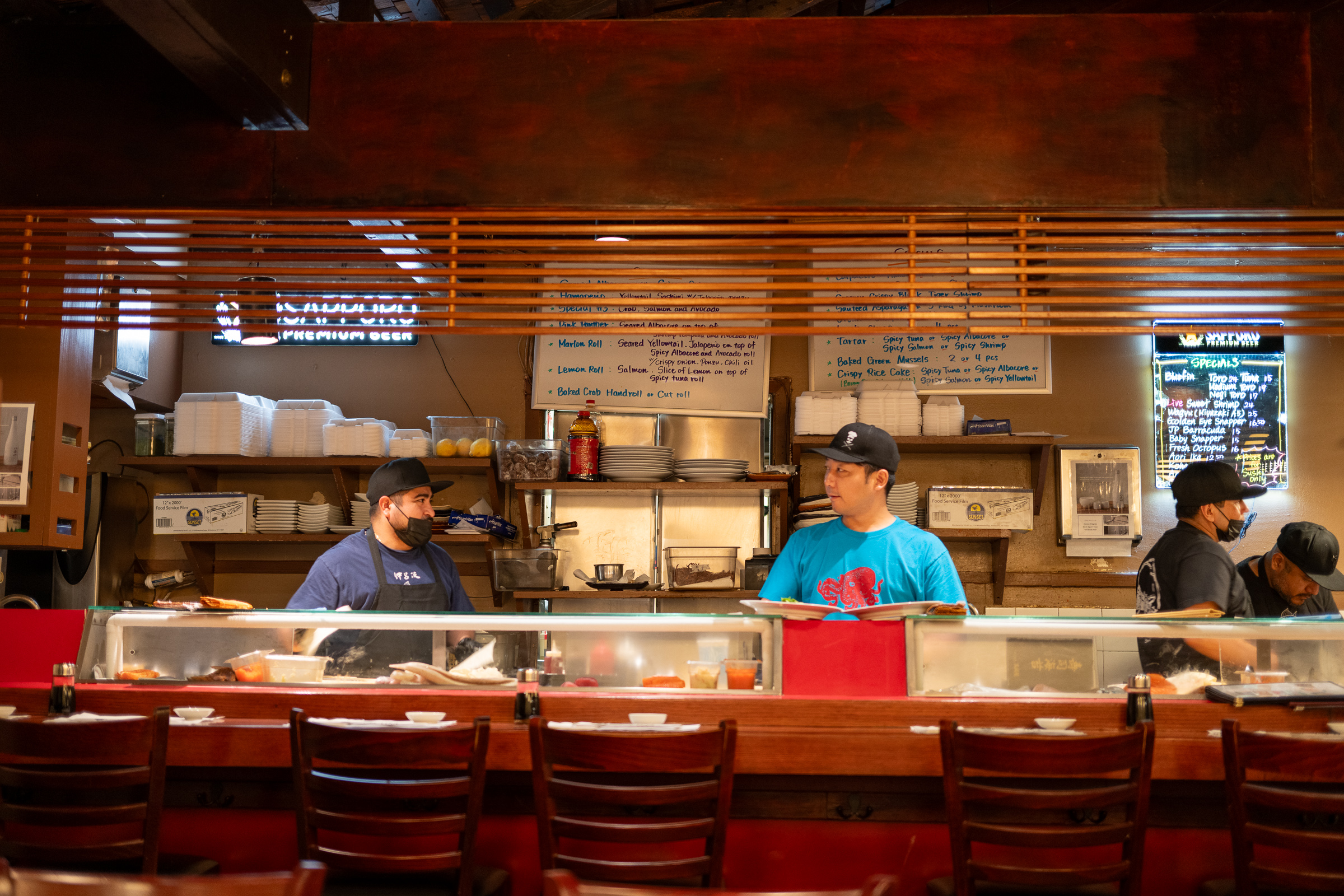
You might actually miss it the first time. Located at 12953 Ventura Blvd, Iroha Sushi of Tokyo is set back from the street, creating a little sanctuary that feels worlds away from the Valley traffic. You walk through a small courtyard, maybe see some bamboo, and suddenly you’re in a space that feels like a cozy, dimly lit Tokyo tavern.
It’s not "fancy" in the way Nobu is fancy. It’s lived-in. The menus are huge, laminated, and filled with photos—a move that usually screams "tourist trap" in any other city, but here, it’s just part of the charm.
The service is famously fast. You sit down, get a hot towel, and before you’ve even decided between Sapporo or sake, a bowl of edamame is usually hovering near your elbow. It’s efficient. It’s slightly chaotic during the Friday night rush. It’s exactly what a neighborhood sushi joint should be.
What You’re Actually Eating (Beyond the Spicy Tuna)
People talk about the "Sushi Burger" a lot. It’s a polarizing dish. Basically, it’s two patties of crispy, grilled rice acting as "buns," stuffed with spicy tuna, avocado, and sprouts. Is it traditional? Absolutely not. Is it delicious? Ask the thousands of people who order it every month.
But if you want to see why the chefs at Iroha Sushi of Tokyo are respected by the purists, you have to look at the specials.
The Signature Hits
- Albacore with Crispy Onion: This is the restaurant's calling card. They arrange the seared albacore to look like a rose, then drench it in a garlic-ponzu sauce and pile on a mountain of sweet, fried onions. The contrast between the cold fish and the warm, crunchy onions is... well, it's why people drive from Santa Monica to Studio City.
- Hamapeno: A classic Valley-style dish. Yellowtail (Hamachi) sliced thin, topped with a sliver of jalapeno and a splash of yuzu-ponzu. It’s bright, spicy, and cuts through the richness of the fish.
- The "Panther" Rolls: They have an Orange Panther and a Pink Panther. These are the "dressed up" rolls that LA loves. Think soy paper instead of seaweed, loaded with fresh fish and maybe a little smelt egg for texture.
- Iroha String Beans: Don’t skip the vegetables. They toss deep-fried string beans in a sweet miso paste that is genuinely addictive.
The Price of Consistency
Let’s be real for a second: Iroha isn't the cheapest date in the Valley. Over the last couple of years, like everywhere else, the prices have crept up. You’re looking at $12 to $15 for two pieces of high-quality nigiri. A dinner for two can easily north of $150 if you’re ordering drinks and specialty sashimi.
Some regulars complain that the "secret" is out and the wait times are getting longer. It's true. If you show up at 7:00 PM on a Saturday without a reservation, you’re going to be staring at the valet stand for a while.
Pro Tip: They have a heated, covered patio. Even if you usually prefer the sushi bar, the patio at Iroha has a specific "Old Hollywood" energy that’s hard to find elsewhere.
✨ Don't miss: Why we still link eating meat to being a man
Why It Still Matters in 2026
In an era of $400 omakase menus where a chef explains the lineage of the rice for twenty minutes, Iroha Sushi of Tokyo feels refreshingly unpretentious. It reminds us that sushi in Los Angeles evolved into its own specific culture. It’s a mix of traditional Edomae techniques and that "anything goes" California creativity.
Owner Marchan Osawa and the kitchen team have managed to keep the quality high while the world around them changed. They survived the pandemic, they survived the rise of delivery apps (though they do a brisk takeout business), and they survived the "fusion" trends that killed off lesser restaurants.
How to Do Iroha Right
If you’re planning a visit, don't just order a California roll and leave. That’s a waste of a table.
- Check the Chalkboard: There’s always a daily specials board. If they have Bluefin or a specific seasonal whitefish from Japan, get it.
- Split Everything: The portions are surprisingly generous for a sushi place. Order the Albacore with Crispy Onion for the table, get a couple of orders of nigiri, and maybe one of the "Special" rolls to share.
- Valet is Your Friend: Parking on Ventura Blvd is a nightmare designed by a person who hates cars. Just pay for the valet in front. It’s worth the lack of a headache.
- The Mochi Factor: Their mochi ice cream is bigger than the stuff you buy at the grocery store. The espresso flavor is a sleeper hit.
Iroha Sushi of Tokyo isn't trying to be the "best" restaurant in the world. It’s trying to be the best version of itself. It’s a place for birthdays, for first dates that aren't too "try-hard," and for those Tuesday nights when you just need a piece of yellowtail that melts the second it hits your tongue.
Next Steps for Your Visit: Check their current hours before you go, as they typically open at 11:30 AM and run late, but the kitchen often has a "break" period between lunch and dinner service on certain days. If you're bringing a group larger than four, definitely call ahead—the cozy layout means large tables are at a premium and fill up fast.