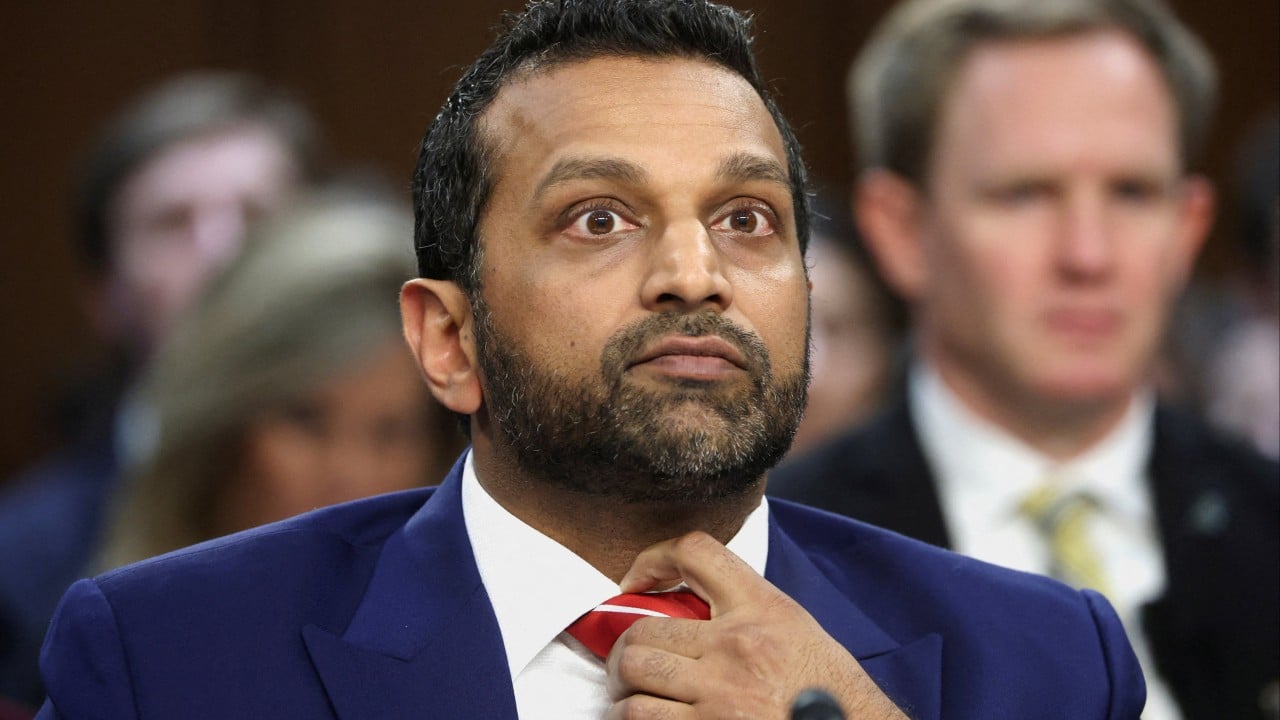
Kash Patel hasn't even settled into the director’s chair at the FBI, and he’s already facing a digital firestorm. Groups linked to Iran claim they’ve cracked his personal email and leaked files. This isn't just a headline about a high-profile target. It’s a massive wake-up call regarding the vulnerability of the very people tasked with national security. If the guy picked to run the world's premier law enforcement agency can get hit, everyone is on the table.
The group claiming responsibility, known as "Cyber Av3ngers" or similar IRGC-affiliated personas, hasn't just bragged about the entry. They’ve started dropping what they claim are personal documents, flight records, and internal communications. It’s a classic move in the Iranian playbook: hack, leak, and humiliate. They aren't just looking for secrets. They want to erode trust in the incoming administration before day one.
The Reality of the Patel Email Breach
We need to look at what actually happened here. Reports indicate that the hackers didn't necessarily breach a secured government server. Instead, they went for the soft underbelly: personal accounts. This is a recurring theme in political espionage. Remember the 2016 DNC hacks or the more recent targeting of the Trump campaign during the 2024 cycle? It’s almost always a personal inbox that serves as the gateway.
Hackers aren't always looking for the "nuclear codes" in these files. They want "pattern of life" data. Knowing where Patel flies, who his private contacts are, and how he phrases his informal emails gives foreign intelligence a blueprint for social engineering. It’s about building a profile for future leverage. In this case, the timing is clearly intended to disrupt the transition process and cast doubt on Patel’s ability to secure his own data, let alone the nation's.
Why Personal Accounts Are the New Front Line
You might wonder why someone in Patel's position would even have sensitive info in a personal account. The truth is, the line between "personal" and "professional" is incredibly blurry for high-level political figures. They're constantly communicating. Sometimes, the speed of a personal Gmail or ProtonMail account beats the clunky bureaucracy of encrypted government systems. Hackers know this. They bank on it.
Iran has refined this "hack-and-leak" strategy over the last decade. They don't have the sheer technical brute force of China or the sophisticated "quiet" persistence of Russian SVR units. Instead, Iranian actors like Mint Sandstorm or APT42 specialize in aggressive, loud operations. They want you to know they were there. By leaking Patel's files, they're signaling that no one in the new cabinet is untouchable. It’s psychological warfare disguised as a data breach.
The Problem With Modern Political Transitions
Transitions are chaotic. You have hundreds of people moving from private life into government roles. They’re using their old phones and their old laptops. They’re sending resumes, NDAs, and strategy memos back and forth. This period is a goldmine for foreign intelligence services.
- Security protocols are often in flux.
- New hires haven't been fully briefed on secure comms.
- Personal devices are still being used for official business.
Patel is a lightning rod. His appointment was already controversial, and this breach adds fuel to the fire. It forces the incoming administration to spend political capital defending their pick instead of focusing on policy. That’s a win for Tehran without even firing a shot.
Lessons From the Cyber Av3ngers Playbook
If you’ve followed Iranian cyber operations, the name Cyber Av3ngers should ring a bell. They’ve previously targeted US water infrastructure and various private entities. Their MO is usually high-visibility and low-complexity. They often use basic phishing or credential stuffing—taking passwords leaked from other site breaches and trying them on the target’s email.
Most people assume these hacks involve complex "Zero Day" exploits that cost millions on the black market. They don't. It’s usually a guy clicking a link in a well-crafted email that looks like a security alert. Or it’s a password that hasn't been changed since 2019. We don't know the exact entry point for the Patel breach yet, but I’d bet my last dollar it was something depressingly simple.
How This Impacts FBI Credibility
The FBI is supposed to be the "gold standard" for cybersecurity and counterintelligence. Having the incoming director's personal dirty laundry aired by a foreign adversary is a nightmare for morale. It creates a narrative of incompetence. Whether that’s fair or not doesn't matter in the world of public perception.
Internal FBI agents are already wary of Patel due to his vocal plans to "clean house." Now, they’re looking at a boss who may have compromised his own security. It makes the job of the Bureau’s CISO (Chief Information Security Officer) nearly impossible. How do you enforce strict data policies on rank-and-file agents when the director was caught using a vulnerable personal account?
Countering the Iranian Narrative
The US government needs to stop playing defense. Every time one of these leaks happens, the response is a dry press release about "monitoring the situation." We need more transparency about the attribution. If we know it’s the IRGC, we should be declassifying the evidence and showing the world exactly how they did it.
Sunlight is the best disinfectant for "hack-and-leak" operations. When you explain the "how," you strip away the mystery and the fear. You turn a "terrifying foreign breach" into "a sloppy phishing scam that we’ve already patched."
Protecting Yourself Against High Level Targeting
You don't have to be the FBI Director to be a target. If you have any level of influence or access to sensitive data, you're on a list somewhere. Iranian and Chinese groups frequently target think tank employees, journalists, and activists.
- Physical Security Keys: Use a YubiKey or Google Titan. Standard 2FA via SMS is useless against a determined state actor. They can intercept the text or swap your SIM. A physical key is the only way to stay truly locked down.
- Account Segregation: Never, ever mix your business and personal accounts. If you're discussing work, do it on the work-provided, encrypted platform. If you're buying socks on Amazon, use a burner email.
- Data Minimization: If you don't need an email from three years ago, delete it. Hackers can't leak what isn't there. We all have a habit of treating our inboxes like digital filing cabinets. That’s a massive liability.
The Patel breach is a reminder that the "human element" is always the weakest link. You can spend billions on firewalls, but if the person at the top uses "Password123" or clicks a suspicious link, it's all for nothing.
The immediate next step is clear. If you haven't audited your personal digital footprint in the last six months, do it today. Switch to a hardware-based security key for your primary email and clear out your legacy data. Don't wait for a foreign intelligence service to do it for you.