A single steel container, rusted at the corners and salt-crusted from a month at sea, doesn’t look like a geopolitical flashpoint. It looks like a box. But inside that box sits the thermal imaging sensor for a Samsung hospital scanner in Seoul, or perhaps the precise semiconductors destined for a Kia assembly line. When that box stops moving, a technician in a sterile room three thousand miles away stops working. A father waiting for a medical diagnosis waits longer. A factory floor goes silent.
This is the fragility of the modern world, a reality currently being negotiated in the hushed, high-stakes diplomatic corridors between Seoul and Tehran.
The Strait of Hormuz is a geographic throat. At its narrowest, it is a mere twenty-one miles wide. Through this passage flows roughly a fifth of the world’s oil and a staggering volume of the containerized trade that keeps the South Korean economy breathing. For decades, the relationship between South Korea and Iran has been a pendulum, swinging between lucrative construction contracts and the cold friction of international sanctions. Now, a new chapter is being written. It is a story of "normalization," a dry word for a visceral necessity: keeping the ships moving.
The Captain’s Ghost
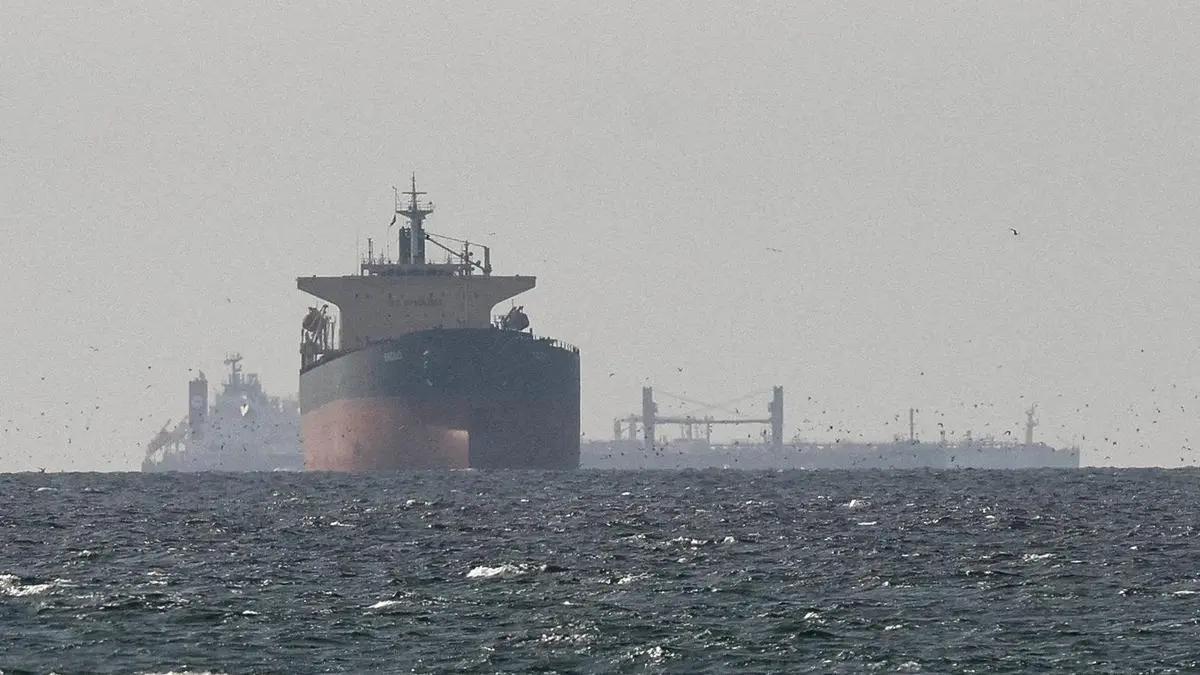
Consider a hypothetical master of a vessel, let’s call him Captain Choi. He stands on the bridge of a 150,000-ton tanker, eyes fixed on the hazy horizon where the Persian Gulf meets the Gulf of Oman. Underneath his feet is enough crude oil to power a city for a week. To the world, he is a data point on a maritime tracking map. To his family in Busan, he is a man who might not come home if a political misunderstanding turns into a boarding party.
In early 2021, this wasn't hypothetical. The seizure of the MT Hankuk Chemi by Iranian authorities served as a jarring reminder that the sea is never just water; it is territory. The ship was held for months. The official reason cited environmental pollution, but the subtext was written in the billions of dollars in Iranian assets frozen in Korean banks due to U.S. sanctions.
When a ship is seized, the gears of global commerce don't just grind; they scream. Insurance premiums for every vessel in the region spike instantly. Logistics managers in Incheon scramble to find alternative routes that don't exist. The "invisible thread" of the supply chain suddenly glows red-hot with tension.
The Architecture of a Handshake
Normalization isn't a single event. It is a slow, agonizing process of rebuilding trust where none has existed for years. The recent coordination between Seoul and Tehran seeks to ensure that the Strait remains a predictable highway rather than a gauntlet.
South Korean diplomats are performing a delicate high-wire act. On one side, they must satisfy the requirements of their security alliance with the United States. On the other, they must secure the energy lanes that are the lifeblood of their industry. Iran, meanwhile, views the Strait as its most potent lever of influence.
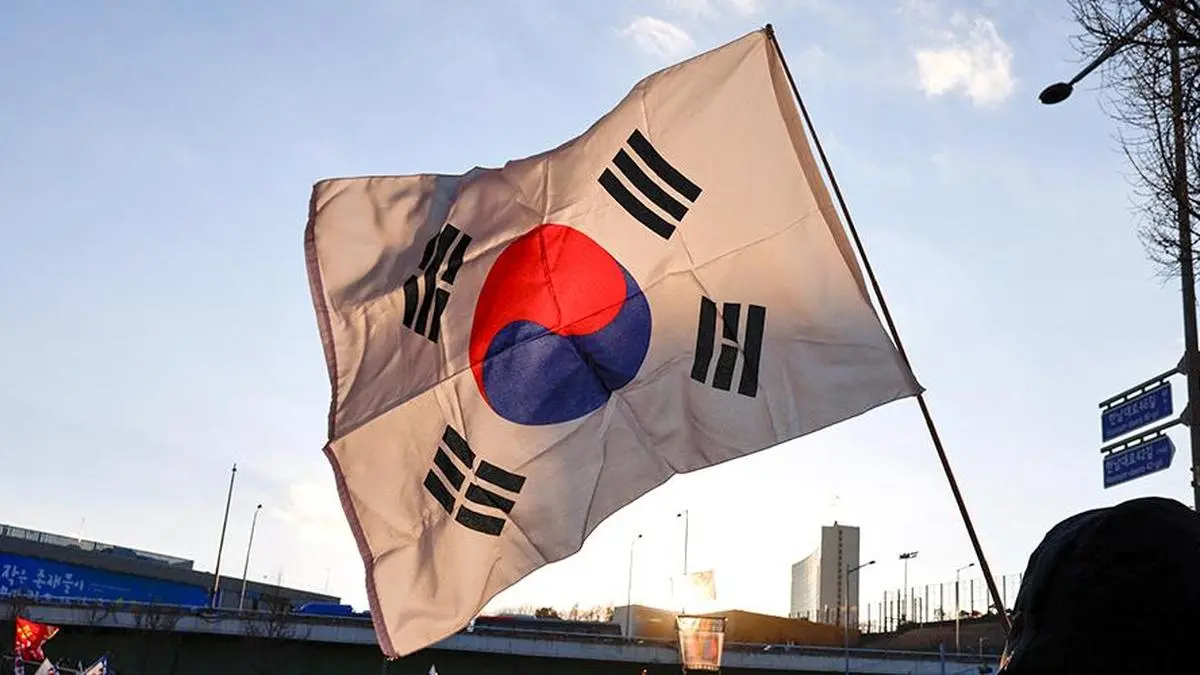
The core of the current coordination involves more than just "checking in." it involves establishing clear protocols for maritime safety, opening direct lines of communication between coast guards, and addressing the lingering financial shadows of the frozen asset era. The goal is to reach a state where a ship flying the South Korean flag is viewed not as a political pawn, but as a neutral participant in global trade.
It is a conversation about oil, yes. But it is also a conversation about dignity and sovereignty. For Iran, the Strait is their front yard. For Korea, it is the hallway to their front door.
The Cost of the Long Way Around
Why does this matter to someone buying a phone in a mall in Daegu?
Distance equals cost. Risk equals cost. If the Strait of Hormuz becomes a "no-go" zone or even a "maybe-go" zone, the alternative routes add thousands of miles and millions of dollars in fuel to every journey. These costs are never absorbed by the shipping giants. They are passed down, cent by cent, until they land on the price tag of a refrigerator or the monthly utility bill of a small business owner.
We often mistake the global economy for a digital entity—numbers on a screen, stocks in a cloud. It is not. It is stubbornly, inconveniently physical. It is made of iron, diesel, and the courage of sailors. The coordination between South Korea and Iran is an admission that we cannot afford a world where the physical paths are blocked.
The Diplomacy of the Ordinary
There is a specific kind of bravery in modern diplomacy: the bravery to be boring. The most successful outcome of these talks won't be a grand celebratory treaty. It will be a lack of news. It will be the sight of a South Korean tanker passing through the Strait at 3:00 AM, unnoticed, unbothered, and entirely on schedule.
The stakes are invisible because we have been trained to ignore them. We assume the lights will turn on. We assume the shelves will be full. We assume the sea is a public park. But the sea is a place of shadows and old grievances.
The men and women in the negotiation rooms are currently trying to untangle a knot that was decades in the making. They are trading in the currency of "de-escalation," trying to ensure that a mistake by a young officer on a patrol boat doesn't cascade into a regional crisis that darkens the windows of Seoul.
They are working to ensure that Captain Choi can look at the horizon and see only the water, and never the ghost of a conflict that would keep him from his home.
The rusted container on the deck continues its journey. It moves through the heat of the Gulf, past the jagged coast of Iran, and out into the open Indian Ocean. It carries the weight of a billion-dollar industry and the hopes of a thousand workers. It moves because two nations decided that the cost of a closed door was a price neither could afford to pay.
The thread holds. For now.