The world is obsessed with the Strait of Hormuz. Every time a drone flies over the Persian Gulf or a tanker slows its pace near the Omani coast, oil prices jump and headlines scream about a global blockade. But while every naval analyst and energy trader watches the Middle East for the next great disruption, the real threat to the global economy is quietly metastasizing elsewhere. The next oil shock will not be triggered by a military blockade of a narrow waterway. It is already being baked into the system through a lethal combination of chronic underinvestment in refining, the physical decay of Atlantic shipping infrastructure, and a radical shift in how crude oil is actually processed.
For decades, the energy industry relied on a predictable cycle of extraction and refinement. You pulled oil out of the ground, sent it to a massive facility, and turned it into gasoline or diesel. That cycle is breaking. We are entering an era where the ability to pull oil from the earth is outstripping the world’s ability to actually use it. This isn’t a shortage of raw materials. It is a failure of the middleman.
The Refining Deficit that Nobody Wants to Fund
The math of global energy is getting ugly. Over the last five years, more than 4 million barrels per day of refining capacity have been taken offline globally. Some of this was due to the pandemic, but much of it is a calculated retreat by Western energy giants. Under pressure from shareholders and environmental mandates, companies like Shell, BP, and TotalEnergies have spent years pivoting away from "heavy" industrial processing.
The result is a brittle system. When a single refinery in the Midwestern United States or a processing plant in Rotterdam goes offline for "unscheduled maintenance," the price of fuel spikes instantly. This isn't because there isn't enough oil. It’s because there aren’t enough kitchens to cook the meal. We have reached a point where the global refining utilization rate is hovering near its physical limit. There is no slack left in the rope.
The market has fundamentally misunderstood the risk. Most analysts look at "proven reserves" to determine energy security. That is a mistake. Proven reserves are useless if the machinery required to turn that crude into a combustible product is aging, overstretched, or located in a geopolitical flashpoint far from the consumer.
The Myth of the Hormuz Hegemony
Why is Hormuz the wrong thing to watch? Because the world has spent forty years building workarounds for it. Pipelines across Saudi Arabia and the UAE can bypass the strait. The United States has transitioned from a desperate importer to a net exporter of crude. The "Hormuz Risk" is priced into every barrel of Brent you buy. It is a known known.
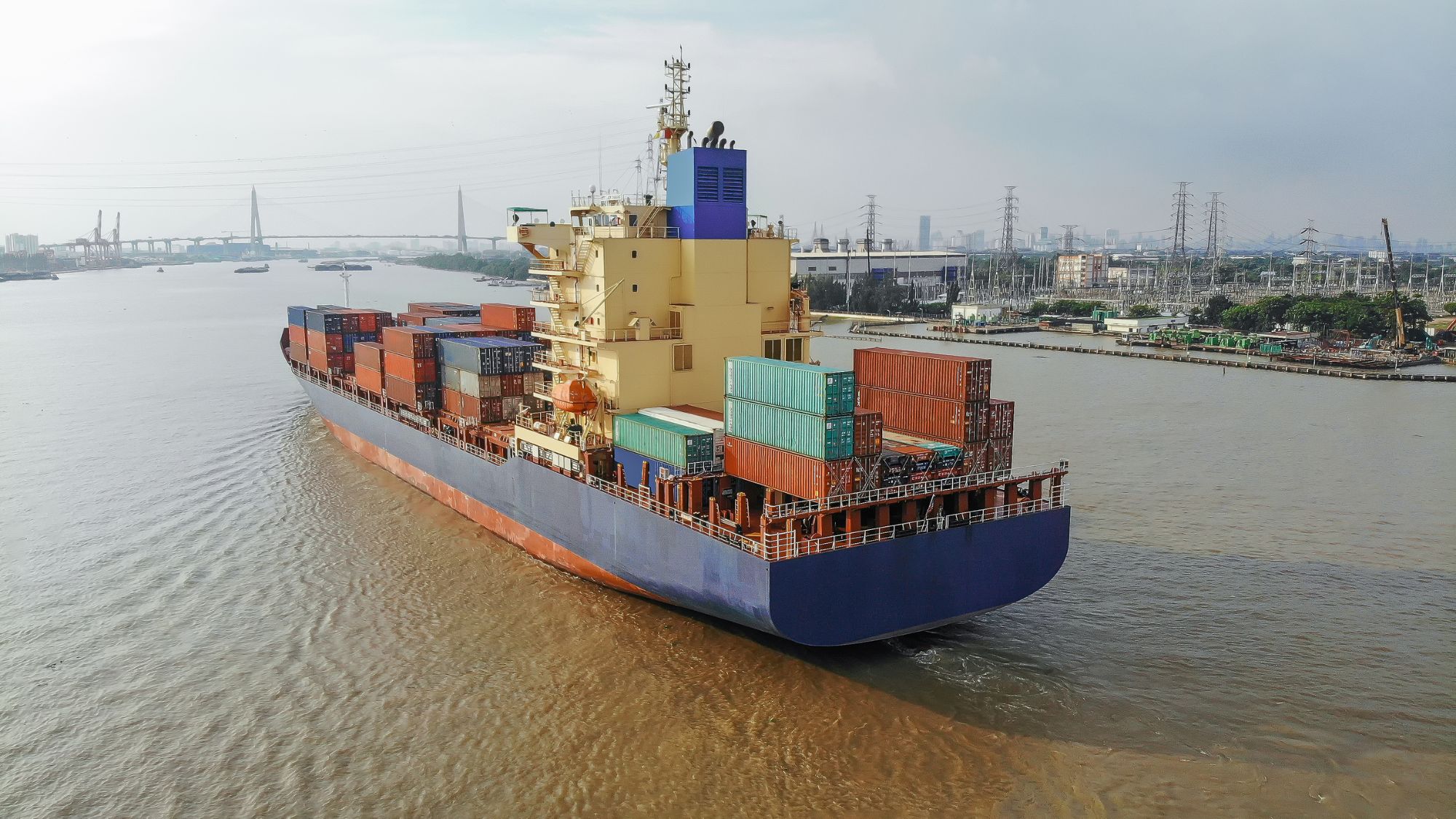
The real danger lies in the Malacca Strait and the Cape of Good Hope, combined with a sudden, sharp decline in the reliability of the global tanker fleet. As Western sanctions on various regimes have tightened, a "shadow fleet" of aging, poorly maintained, and under-insured tankers has emerged to carry a significant portion of the world's oil. These ships don't follow standard safety protocols. They often turn off their transponders. They are rust buckets carrying millions of gallons of volatile liquid through some of the most congested waters on Earth.
Imagine a major collision in the Malacca Strait involving a shadow-fleet tanker. The environmental catastrophe would be secondary to the economic one. Singapore, the world's largest bunkering hub, would see its operations paralyzed. The flow of oil to China, Japan, and South Korea would stop. Unlike Hormuz, there are no easy pipelines to bypass the South China Sea routes. This is the structural vulnerability that keeps logistics experts awake at night, yet it rarely makes the front page of the financial press.
The Permian Paradox
In the United States, the shale revolution was supposed to be the ultimate shield against energy shocks. To an extent, it worked. The U.S. is pumping record amounts of oil. However, there is a technical snag that the industry rarely discusses in plain English.
Most of the oil coming out of the Permian Basin is "light, sweet" crude. Most of the massive, complex refineries on the U.S. Gulf Coast were built decades ago to process "heavy, sour" crude from places like Venezuela, Mexico, and Saudi Arabia. You cannot simply pour light oil into a heavy oil refinery and expect it to work efficiently. It’s like trying to run a diesel engine on high-octane racing fuel.
This mismatch forces the U.S. to export its own high-quality oil while continuing to import heavier grades from abroad. We are locked into a global trade dependency that we cannot drill our way out of. If a political upheaval or a localized conflict cuts off the supply of heavy crude, U.S. refineries will struggle to maintain output, regardless of how much oil is sitting in Texas.
The Death of the Merchant Mariner
We are also facing a catastrophic labor shortage in the maritime industry. It is a grueling, lonely, and increasingly dangerous profession. Young people are not lining up to spend six months at a time on a tanker.
As the current generation of highly experienced captains and engineers retires, they are being replaced by smaller crews with less experience. We are operating more complex ships with fewer, more stressed human beings. Mechanical failure is rarely just about the machine; it is about the person who didn't notice the pressure gauge vibrating three days before the explosion. A systemic failure of maritime expertise is a slow-motion car crash that will eventually lead to a massive supply disruption.
The Cost of the Green Transition’s "In-Between" Phase
Governments are currently trying to live in two worlds at once. They want to subsidize electric vehicles and renewable energy, which is a logical long-term goal. At the same time, they need cheap fossil fuels to prevent inflation from toppling their administrations.
This creates a "dead zone" for investment. Why would a company spend $10 billion to build a new refinery that takes ten years to complete if the government is promising to ban internal combustion engines by the time the plant opens? They won't. So, we continue to run our existing infrastructure into the ground. We are cannibalizing our current energy security to pay for a future that hasn't arrived yet.
This lack of "brownfield" investment means that the global energy grid is becoming less resilient every year. We are one major storm or one coordinated cyberattack away from a localized shortage that ripples through the global supply chain. When the Suez Canal was blocked by the Ever Given, the world saw how fragile the "just-in-time" delivery model is. Now, apply that fragility to the fuel that powers every truck, ship, and plane on the planet.
The Geopolitics of Spare Capacity
For decades, Saudi Arabia acted as the world’s central banker for oil. They held "spare capacity"—the ability to turn on the taps and flood the market if prices got too high or supply disappeared elsewhere. That era is ending.
The Saudis are no longer interested in subsidizing Western economic stability. They are focused on their own internal transformation, funded by high oil prices. They have signaled a shift from being a swing producer to being a value-driven producer. If a shock hits the market tomorrow, do not expect Riyadh to come to the rescue. They are more likely to let the price hit $150 a barrel to pad their sovereign wealth fund for their massive domestic construction projects.
The Infrastructure Choke Point You’ve Never Heard Of
While we watch the seas, the land-based infrastructure is failing. The Druzhba pipeline, the Keystone, the various aging arteries of the European and North American energy grids are vulnerable. These aren't just targets for sabotage; they are victims of physics. Steel corrodes. Soil shifts.
The next oil shock will likely be a "death by a thousand cuts." A refinery fire in Italy, a pipeline leak in Canada, a strike at a French port, and a tanker collision in the South China Sea. Any one of these is manageable. Three of them happening in the same month—which is statistically becoming more likely as infrastructure ages—creates a feedback loop.
Traders will panic. Hoarding will begin. Governments will implement export bans to protect their domestic markets, which only makes the global shortage worse. This is the "protectionist spiral" that turned the 1973 oil crisis from a manageable disruption into a decade-long economic nightmare.
The Concrete Reality
To survive the coming volatility, businesses and governments must stop looking at oil as a single commodity and start looking at the entire "midstream" chain as a national security priority.
Strategic reserves should not just hold crude oil; they must hold refined products like diesel and jet fuel. If your refineries go down, a mountain of crude oil is just a toxic lake. Countries that rely on importing refined fuels are the most vulnerable. They are effectively outsourcing their energy security to foreign corporations that have no loyalty to their citizens.
The era of cheap, reliable, and invisible energy movement is over. The friction in the system is increasing. Every valve, every weld, and every aging tanker hull is a potential point of failure in a global machine that has been pushed to its absolute limit. You can ignore the headlines about Hormuz. Look instead at the maintenance schedules of the world's refineries and the average age of the tankers in the South China Sea. That is where the real crisis is hiding.
Stop waiting for a war to start in the Middle East. The shock is already here, hidden in the rust and the balance sheets of an industry that is being asked to provide the world's lifeblood while being told it has no future. The bill for twenty years of neglect is about to come due.