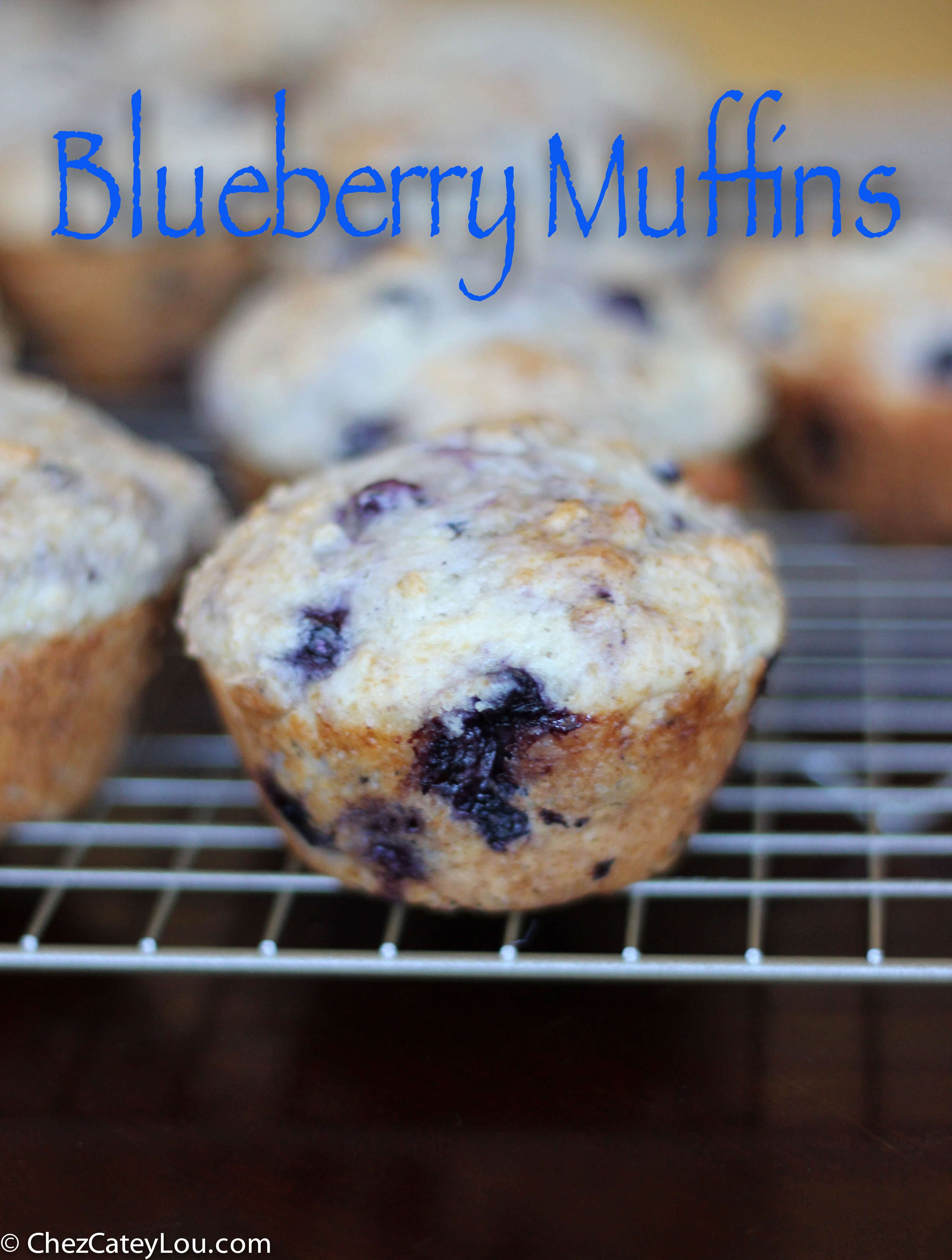
You’ve been there. You crave that burst of summer fruit in the middle of January, so you grab a bag of frozen berries. You mix them into your batter. Suddenly, your beautiful golden muffins look like they’ve been through a blender with a bottle of blue ink. The "gray muffin syndrome" is real, and honestly, it’s the main reason people think blueberry muffins frozen blueberries are a second-tier choice compared to fresh ones. They aren't. In fact, if you know what you’re doing, frozen berries often pack more flavor and better nutrition than those sad, mealy "fresh" berries shipped from halfway across the world in the off-season.
The trick isn't just "folding them in gently." That’s amateur advice.
To get that bakery-style pop—where the cake stays yellow and the berry stays whole—you have to understand the science of the thaw. Most people let the berries sit on the counter. Big mistake. As they sit, the cell walls break down. The juice starts leaking. By the time they hit your bowl, you’re basically adding blue dye to your flour.
Why Frozen Berries Might Actually Be Better
Let’s talk about why we’re even using blueberry muffins frozen blueberries in the first place. Most grocery store "fresh" berries are bred for durability, not taste. They have thick skins so they don't mush during shipping. Frozen berries, however, are usually picked at the absolute peak of ripeness and flash-frozen immediately. This locks in the anthocyanins—those are the antioxidants that give blueberries their color and health street cred. According to studies from the South Dakota State University, freezing blueberries makes those antioxidants even more available to your body because the ice crystals poke tiny holes in the skin, making it easier for you to digest the good stuff.
It’s kind of a win-win. You get better flavor and better health stats. But the moisture is the enemy of the muffin. Frozen berries contain a lot of water. If you don't account for that, your muffins come out soggy or, worse, with a "sunken bottom" where all the fruit huddles at the base of the liner.
The Rinse and Coat Method
This is the game-changer. King Arthur Baking actually tested this extensively, and the results are pretty conclusive.
Don't just dump the berries from the bag into the batter. Instead, put your frozen berries in a colander. Run cold water over them until the water runs clear—or at least light pink rather than dark purple. This washes away the "surface juice" that causes staining.
Once they’re rinsed, pat them dry. Seriously. Grab a paper towel and get them as dry as possible. Then, take a tablespoon of the dry flour mixture you’ve already prepped for your recipe and toss the berries in it. This light coating of flour acts like a sponge. It grabs onto any remaining moisture and creates a "grip" so the berries stay suspended in the batter instead of diving to the bottom.
Temperature Matters More Than You Think
Keep them cold. Don't take the berries out of the freezer until the exact second you are ready to fold them in. If they start to defrost, you’ve lost the battle. The goal is to get them into the oven while they are still rock hard.
This does something interesting to your bake time. Because you’re essentially adding dozens of tiny ice cubes to your batter, your oven has to work harder. You’ll usually need to add about 3 to 5 minutes to the total baking time. If the recipe says 20 minutes, start checking at 23. You’re looking for a deep golden brown on top. Don't be afraid of a little extra color; it helps provide the structural integrity needed to support the heavy fruit.
Avoiding the "Green Muffin" Disaster
Ever notice that sometimes your blueberries turn a weird, sickly green color after baking? It’s not mold. It’s chemistry.
Blueberries are highly sensitive to pH levels. If your muffin batter is too alkaline—usually from too much baking soda—the blue pigments (anthocyanins) react and turn green. It’s basically a high school science fair project happening inside your breakfast.
To prevent this, you want a bit of acidity. This is why so many great blueberry muffin recipes call for:
- Buttermilk
- Sour cream
- A squeeze of lemon juice
- Greek yogurt
That acid keeps the berries looking vibrant and blue. If you’re using a recipe that only calls for "regular" milk and baking powder, consider swapping a tablespoon of the milk for lemon juice. It makes a massive difference in the final look. Honestly, a little lemon zest also helps brighten the flavor of frozen fruit, which can sometimes taste a bit "flat" compared to fresh.
The Secret of the "Two-Stage" Mix
Most people mix the berries into the whole bowl of batter. If you want perfection, try the two-stage approach.
First, scoop a small amount of plain batter (without berries) into the bottom of each muffin tin. Just enough to cover the bottom. Then, fold your floured, frozen berries into the remaining batter and fill the cups the rest of the way. This creates a "crust" at the bottom that ensures no berries ever stick to the paper or sink through. It’s a bit more work, but if you’re baking for guests or a potluck, it’s how you get that professional look.
Also, let’s talk about size. Not all blueberry muffins frozen blueberries are created equal.
Wild blueberries—the tiny ones often labeled as "Maine Wild Blueberries" in the freezer aisle—are actually superior for baking. Because they are smaller, they weigh less. This means they are much less likely to sink. You also get a better "berry-to-bite" ratio. Every single mouthful gets a burst of fruit rather than one giant, watery berry every three bites. If you can find the wild ones, buy them. They have a more intense, tart flavor that holds up better against a sugary muffin crumb.
Essential Gear for the Perfect Bake
You don't need a lot, but a few things make this easier:
- A heavy-duty muffin tin: Thin tins hot-spot and burn the bottoms before the frozen center of the muffin is cooked.
- Paper liners: Frozen berries are prone to sticking, even if you grease the pan perfectly. Use liners.
- A cookie scoop: This ensures every muffin is the same size, which is vital when you're dealing with the adjusted bake times of frozen fruit.
Actionable Steps for Your Next Batch
Ready to bake? Follow this workflow for the best results:
- Prep everything else first: Get your dry ingredients whisked and your wet ingredients combined. The oven must be fully preheated.
- The Quick Rinse: Take the berries from the freezer, rinse in cold water until the water is light, and pat dry immediately.
- The Flour Toss: Dust them in a spoonful of your flour mix.
- The Cold Fold: Gently fold the berries into your batter using a spatula. Do not overmix. If you see streaks of blue, stop.
- The Heat Check: Bake at 425°F for the first 5 minutes, then drop to 375°F for the remainder. That initial blast of high heat creates "oven spring," which lifts the muffin top quickly and helps lock the berries in place before they have a chance to sink.
- The Cool Down: Let them sit in the pan for 5 minutes before moving to a wire rack. If you leave them in the pan too long, the steam will make the bottoms soggy.
By following these steps, you’ll find that frozen berries aren’t a compromise—they’re a legitimate shortcut to a better muffin. You get the peak-season flavor any time of year without the weird gray-green mess. Stop waiting for summer to have a decent breakfast.