Tracing your roots in New York City is basically a chaotic puzzle. Honestly, it’s a mess. If you’ve ever tried to find a grave NYC style, you know that the sheer volume of people buried in the five boroughs is staggering. We are talking about millions. Literally millions of souls resting under the concrete and grass of a city that never stops moving.
It gets complicated. Fast. For a more detailed analysis into similar topics, we recommend: this related article.
You might think you just walk into a cemetery and ask for a map. Wrong. Most of these historic sites are sprawling cities of the dead with records that go back to the 1800s. Using digital tools like Find a Grave is a lifesaver, but only if you know the quirks of the New York system. You've got to deal with religious segregations, private family plots, and the terrifying reality of "potter’s fields" where records are... thin.
Why Finding a Grave in NYC is Way Harder Than You Think
NYC isn't like a small town where everyone is at the local church. Here, the dead are often moved. You heard that right. In the mid-19th century, New York passed the Rural Cemetery Act because Manhattan was getting too crowded. They were literally digging people up and shipping them to Brooklyn or Queens. For further details on this development, detailed analysis is available at Cosmopolitan.
Green-Wood Cemetery in Brooklyn is the big one. It’s gorgeous. It’s also huge. 478 acres. If you're looking for someone there, Find a Grave is your best friend, but you need more than just a name. You need a plot and a section number. Without those, you're just wandering around looking at beautiful Gothic arches and getting lost.
Then you have Hart Island. This is the part nobody likes to talk about. It’s the city’s public cemetery for those who were unclaimed or whose families couldn't afford a funeral. Over a million people are buried there. For a long time, it was a black hole for genealogy. Recently, the city has done a better job of digitizing records, and volunteers are slowly adding these names to the Find a Grave NYC database. It’s heavy stuff.
The Trinity Church Mystery
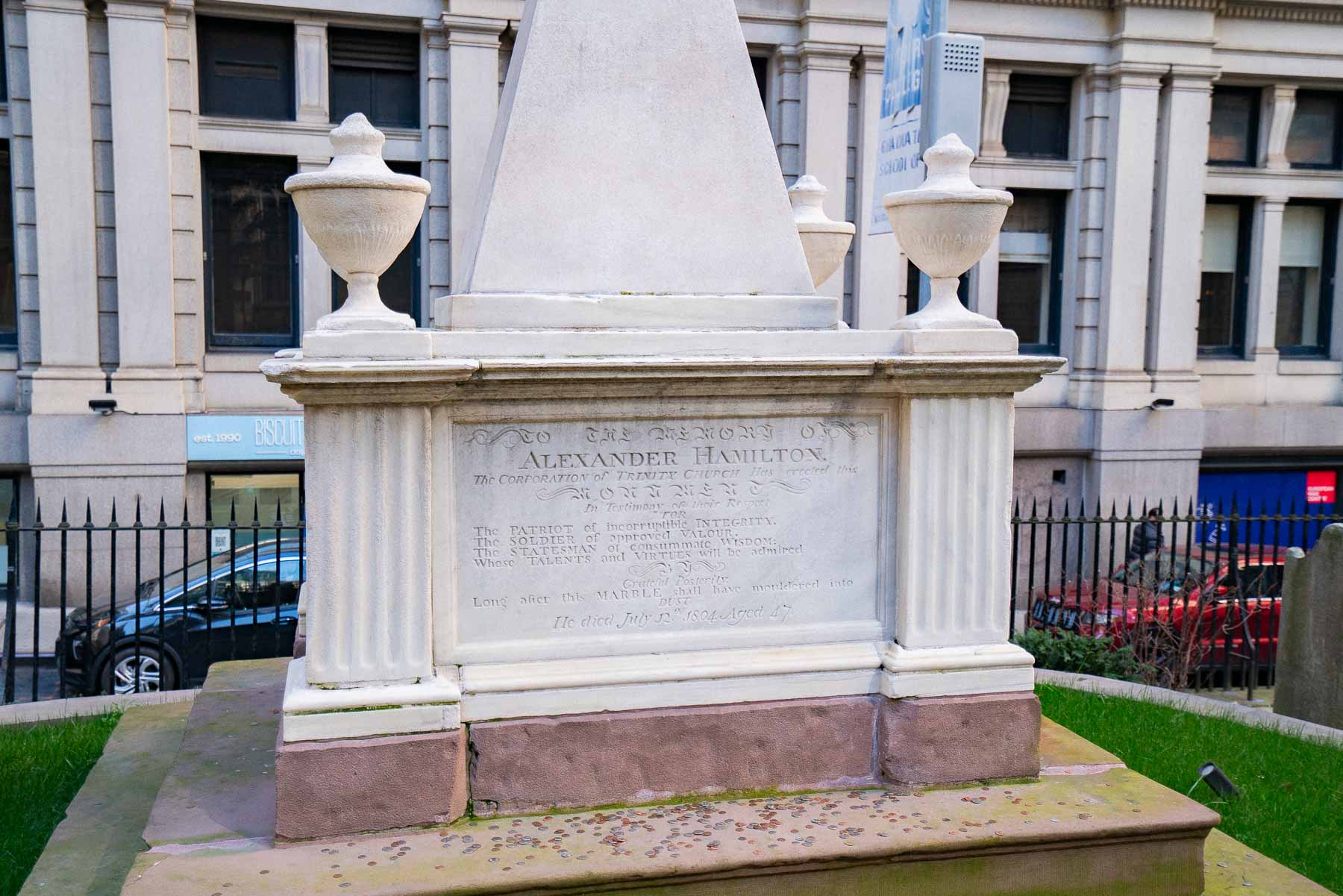
Ever tried to find Alexander Hamilton? He’s at Trinity Church in Lower Manhattan. That’s an easy one. But Trinity has multiple locations. There’s the one on Wall Street and the one uptown on 155th Street (Trinity Church Cemetery and Mausoleum). People get them confused constantly.
If your ancestor was a big deal in the 1700s, they might be downtown. If they died in 1880, they’re probably uptown. This is why checking the specific cemetery location on digital maps is vital before you hop on the subway.
The Best Ways to Search Find a Grave NYC for Accurate Results
Okay, let's talk strategy. Don't just type in "John Smith" and hit search. You'll get 5,000 hits and a headache.
Start with the borough. But wait—there's a catch.
Historically, many people living in Manhattan were buried in Queens. Why? Because Queens has the "Cemetery Belt." If you look at a map of the border between Brooklyn and Queens, it’s just massive green chunks of land. Cypress Hills, Mount Olivet, Calvary. Calvary Cemetery alone has about 3 million burials.
- Tip 1: Search by death year range. People often get death dates wrong by a year or two because of how records were transcribed.
- Tip 2: Look for "Famous" vs "Non-Famous." If you're looking for a celebrity, there’s usually a photo of the headstone already there. If it’s your Great-Uncle Mort, you might have to request a photo from a volunteer.
- The "Request a Photo" feature on Find a Grave is gold.
- Locals actually go out and take these pictures for free. It’s a weirdly wholesome community.
Dealing with "The Big Three"
In the world of find a grave NYC research, three cemeteries dominate the records because of their sheer size.
- Calvary Cemetery (Queens): This is the massive Catholic one. If your ancestors were Irish or Italian immigrants in NYC between 1850 and 1950, start here. It’s divided into four sections. It is massive.
- The Evergreens (Brooklyn/Queens): This one is non-sectarian. It’s famous for its diverse burials and some truly unique monuments.
- Woodlawn Cemetery (Bronx): This is where the jazz legends and the wealthy elite went. Duke Ellington, Miles Davis, and the guy who invented the Macy’s department store are all there.
You’ve got to be specific. If you see "Calvary Cemetery" on a death certificate, make sure the Find a Grave entry specifies which Calvary. There are actually several across the country, but the NYC one is the granddaddy of them all.
Beyond the Name: What a NYC Headstone Tells You
New York headstones are like stone biographies. They aren't just names.
In many Jewish cemeteries in Queens, like Mount Zion or Mount Hebron, the headstones often list the town in Europe where the person was born. This is massive for genealogy. It’s the "Landsmanshaftn" tradition—societies of people from the same town who helped each other out.
If you find a grave NYC record that mentions a "Society Plot," you’ve hit the jackpot. It means your ancestor belonged to a group. That group has records. Those records lead to more names. It’s a rabbit hole, but the good kind.
The Civil War Connection
NYC was a hub for the Union during the Civil War. Many cemeteries, especially Green-Wood, have specific sections for veterans. If your Find a Grave search shows a little American flag icon or mentions a regiment, you can cross-reference that with the National Archives.
Common Mistakes When Digging Through NYC Burial Records
People get frustrated. I get it. NYC records are old, sometimes soggy, and often written in cursive that looks like a cat walked across the page.
One big mistake? Ignoring the "Cremation" possibility. New York started leaning into cremations earlier than many other places because of the land shortage. If you can't find a grave NYC entry for a burial, check the Fresh Pond Crematory records. It’s one of the oldest in the country.
Another error is spelling. NYC was a melting pot. Scribes at the cemetery gates didn't always know how to spell Polish or Italian names. They guessed. If you're looking for "Schmidt," try "Smith." If you're looking for "Iannuzzi," try "Januzzi."
Also, don't assume the death certificate is 100% right about the cemetery. Sometimes families changed their minds at the last minute because of cost or availability. Always verify the Find a Grave listing against actual cemetery office records if possible. Most NYC cemeteries have a "Genie" (genealogy) desk, though they might charge a small fee for a deep search.
Practical Steps for Your NYC Grave Hunt
If you’re ready to actually get out there and find a grave NYC, don’t just wing it.
First, get the Find a Grave app on your phone. The GPS coordinates on many NYC listings are surprisingly accurate.
Second, check the weather. NYC cemeteries are essentially giant wind tunnels in the winter and swamps in the summer. Wear boots. The ground is often uneven, especially in the older sections where graves might have "settled" (which is the polite way of saying they sank).
Third, bring a soft brush and some water. Never use wire brushes or harsh chemicals on old NYC headstones. You'll destroy the history you’re trying to save. If the stone is unreadable, sometimes just splashing a little water on it helps the letters pop for a photo.
How to Help the Community
If you find your ancestor's grave and there’s no photo on Find a Grave, take one! Use your phone, make sure the lighting is good, and upload it. You’re helping someone else who might be searching from across the world.
You can also use the "Add GPS" feature. This is huge for the massive cemeteries like Calvary where finding a specific stone is like finding a needle in a haystack of needles.
Final Thoughts on the NYC Burial Landscape
Searching for a grave in New York City is a journey through the history of the world, not just the city. Every borough has its secrets. From the Dutch settlers in the Bronx to the titans of industry in Brooklyn, the records are there if you're patient enough to dig.
Remember that Find a Grave is a volunteer-driven site. It’s not a legal government document. It’s a labor of love. If you find an error, don't get mad—suggest an edit. That’s how the database stays useful for the next person trying to piece together their family’s New York story.
Next Steps for Your Search:
- Gather Primary Documents: Find the death certificate first to confirm the cemetery name.
- Search Variations: Try middle names or maiden names in the Find a Grave search bar.
- Contact the Cemetery Office: If the digital record is incomplete, call the office. Most in NYC are helpful but busy; have the date of death ready.
- Check Local Libraries: The New York Public Library (NYPL) has incredible microfilm records that can fill in the gaps that Find a Grave might miss.
- Join a Group: Look for NYC genealogy groups on social media. People there often do "look-ups" for each other if they live near a specific cemetery.