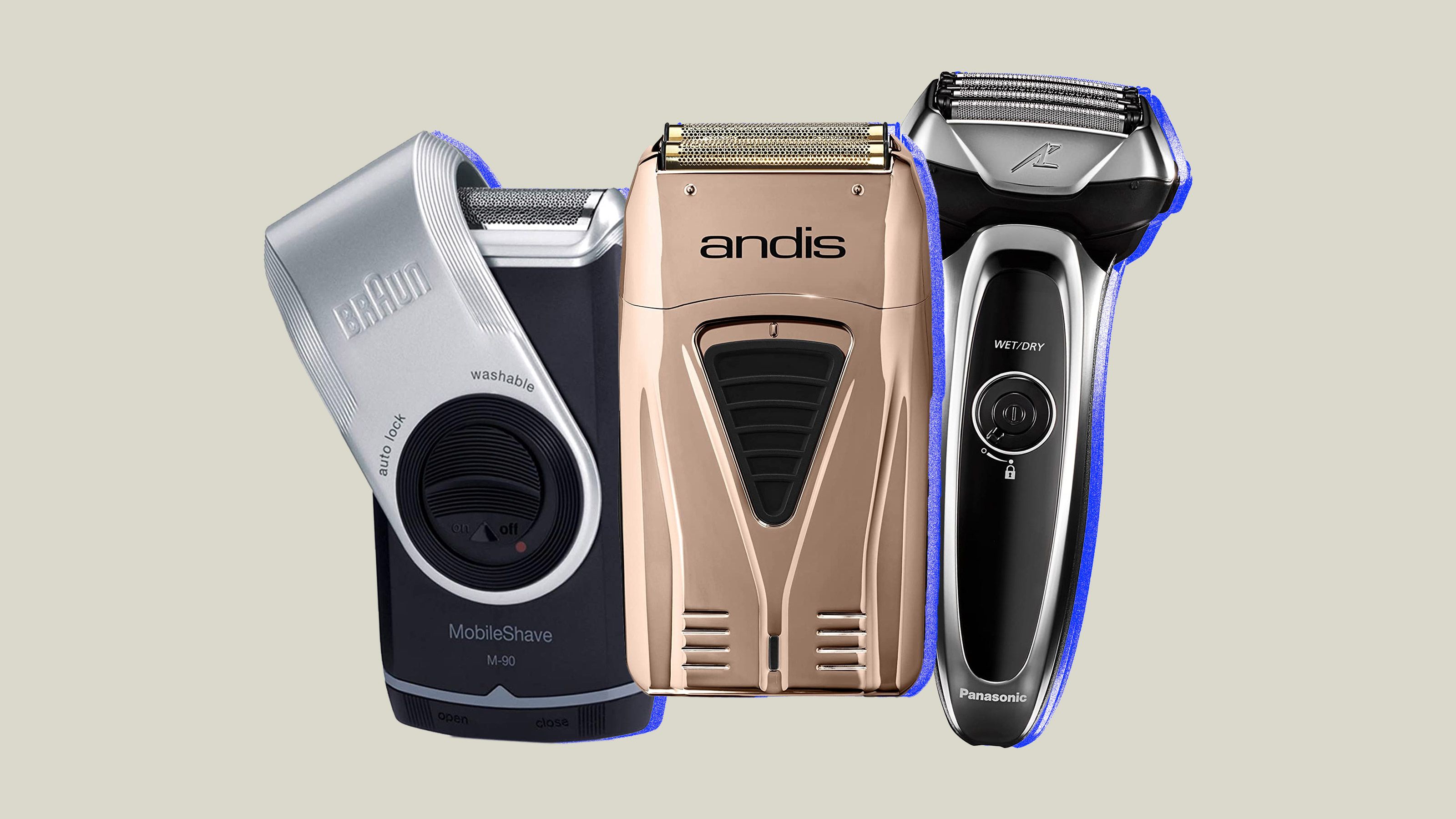
You just spent a hundred dollars on a fancy piece of German or Japanese engineering, dragged it across your face, and now you look like you’ve been scrubbed with sandpaper. It’s frustrating. Most guys treat an electric shaver like a manual blade, but that’s exactly why the burn happens. If you want to know how to use electric razor setups without the irritation, you have to unlearn almost everything you know about traditional shaving.
Electric razors don't actually cut hair like a knife. They use a shearing action. Think of it like a pair of scissors where the foil or the rotating guard acts as one blade and the moving cutter underneath acts as the other. If you press too hard, you’re just shoving your skin into those tiny holes. That's a recipe for disaster. Honestly, your skin needs about two or three weeks to even get used to the different mechanical vibration of a new device. If you switch back and forth between a blade and an electric every other day, your face will never adapt. Stick to one. Recently making news lately: Why Coffee Chains Are Betting Everything on Ube.
Understanding Your Gear: Foil vs. Rotary
Not all electrics are created equal. You've basically got two camps: foil and rotary. Foil shavers, like those from Braun or Panasonic, have a thin layer of perforated metal over oscillating blades. These are generally better for sensitive skin because the foil is thinner and handles straight lines well. They’re the go-to for guys who shave every single morning.
Rotary shavers—the ones with the three circular heads you see from Philips Norelco—are different animals. They’re designed to follow the contours of a neck and chin. If your hair grows in six different directions, a rotary is usually the winner. But here is the kicker: you use them differently. You move a foil shaver in straight, back-and-forth strokes. You move a rotary in small, circular motions. Do not mix those up. Further insights on this are covered by The Spruce.
The Prep Work Nobody Does
Dry shaving is the big selling point, right? Grab it, zip it over your face, and walk out the door. While you can do that, your skin will hate you for it. If you're going dry, your face needs to be bone-dry. Not "I just showered" dry. I mean "I haven't touched water in twenty minutes" dry. Any moisture makes the foil drag against the skin instead of gliding.
Many pros recommend using a pre-shave splash. Brands like Williams Lectric Shave have been around forever for a reason. These alcohol-based formulas stand the hair up and create a tiny lubricated layer on the skin. It feels a bit old-school, but it works. If you have a "Wet/Dry" model, try using a thin layer of shaving gel. Not the thick foam that looks like a Santa Claus beard—that just gunk up the blades. You want a translucent gel so you can actually see where you're going.
How to Use Electric Razor Tech Without the Burn
The most important rule? Use your free hand. You have to pull your skin taut. Electric shavers are bad at catching flat-lying hairs, especially on the neck. By stretching the skin, you force the hair follicles to stand upright, making them much easier for the blades to catch in one pass.
Watch your pressure. This is where everyone fails. You shouldn't be pushing the shaver into your face. Let the weight of the device do the work. If you have to press hard to get a close shave, your blades are likely dull or your technique is off. Start with the most sensitive areas first—usually the neck. Why? Because electric razors heat up as they run. If you save the sensitive spots for last, you’re rubbing a hot piece of metal against your most delicate skin. Start cool, finish hot.
Direction Matters (Sorta)
With a manual razor, you always go with the grain to avoid ingrowns. With an electric, it’s a bit different. You generally want to shave against the grain to get the hair to enter the foil holes effectively. However, if you have incredibly curly hair or are prone to folliculitis, you might need to experiment with a diagonal approach.
- For Foil Shavers: Short, deliberate strokes against the grain.
- For Rotary Shavers: Overlapping circular motions. Don't press. Just swirl.
Maintenance is the Secret Sauce
A dull razor is a dangerous razor. Most manufacturers, including Braun and Philips, suggest replacing the head every 12 to 18 months. In reality, if you have thick, wiry hair, you might need a fresh head every 8 or 9 months. If you start feeling "tugs" instead of "cuts," it’s time to go shopping.
Cleaning is the other half of the battle. If you don't clean the skin cells and oils out of the cutter block, the friction increases. Increased friction equals more heat. More heat equals more redness. If your razor came with a cleaning station, use it. If not, a drop of liquid soap and some warm water usually does the trick. Always, always, always lubricate the blades after cleaning. A single drop of clipper oil or the specific spray meant for shavers keeps the metal from grinding against itself.
The Post-Shave Reality
Just because you didn't use a blade doesn't mean you didn't just exfoliate the top layer of your dermis. Your skin is vulnerable. Skip the high-alcohol aftershaves that sting like crazy. Look for something with aloe or witch hazel. Thayers or even a basic moisturizer like CeraVe can calm the inflammation before it turns into a breakout.
People often forget that electric shaving is a skill. It’s a mechanical process that requires a bit of finesse. You’re essentially operating a tiny lawnmower on your face. Treat it with that level of respect. If you’re rushing, you’re going to bleed or burn. Slow down.
Breaking Down the Common Obstacles
What happens if you have a three-day beard? Most electric razors struggle with anything longer than a couple of days of growth. If you’ve skipped a few days, use the pop-up trimmer (or a separate beard trimmer) to knock the bulk down to "stubble" length first. Trying to mow down a full weekend's growth with a foil shaver is a lesson in pain. The long hairs get caught in the foil but don't quite reach the cutters, resulting in a painful yanking sensation.
A Note on Battery Memory
Modern lithium-ion batteries don't have the "memory effect" old ones did, but heat is still the enemy. Don't leave your razor charging in a hot car or a steamy bathroom for weeks on end. If the motor starts sounding sluggish, the RPMs drop, and the blades will chew your hair instead of slicing it. Keep it charged, keep it clean, and keep it sharp.
Actionable Steps for a Better Shave
To get the most out of your routine, follow this specific sequence:
- Assess the length: If it's longer than 2mm, trim it down first with a secondary trimmer.
- Dry or Prep: Ensure your face is totally dry or apply a specialized electric pre-shave.
- The Cold Start: Shave your neck and the corners of your mouth first while the shaver head is still cold.
- Stretch: Use your non-shaving hand to pull your skin tight in the direction opposite of the shaver's movement.
- Clean and Oil: Rinse the head under hot water (if waterproof) and apply a tiny drop of light machine oil to the foils once dry.
- The 21-Day Rule: Commit to using only the electric razor for three weeks to allow your skin’s chemistry and "grain" to adapt to the new friction pattern.
By focusing on pressure and heat management rather than just "scrubbing" your face, you'll find that the electric razor is actually more efficient and less damaging than a traditional blade. It just takes a little bit of patience to get the technique dialed in.