You're standing in your living room, staring at your grandmother's diamond brooch or perhaps a stack of gold coins you bought when the market dipped, and you realize your sock drawer isn't exactly Fort Knox. It’s a common moment of realization. People usually start wondering how much for a safety deposit box right after they buy their first home or inherit something that feels too heavy—metaphorically or literally—to leave under the bed.
The short answer? It’s probably cheaper than your monthly Netflix subscription, but the "hidden" costs of accessibility and insurance are where things get tricky. For another look, see: this related article.
Banks aren't exactly shouting their prices from the rooftops these days. In fact, many major institutions like JPMorgan Chase have actually stopped installing new boxes in many branches, making the ones that are left a bit like gold dust. If you find one, you're looking at a range. A tiny 3x5-inch box might run you $50 a year, while a massive 10x10-inch "cabinet" style box could easily top $500 or more depending on the zip code.
Why the Price of a Safety Deposit Box Varies So Much
Location is everything. If you are looking for a box in midtown Manhattan, prepare to pay a premium that would make a suburban branch manager blush. Further coverage on this matter has been published by Financial Times.
Banks view these boxes as a "loss leader" or a "sticky" service. They don't make a ton of profit on them. They want you to keep your checking account, your mortgage, and your kids' savings accounts at their branch. Because of this, many banks offer discounts. If you have a "Premier" or "Platinum" checking account, they might even waive the fee entirely. Wells Fargo and Citibank have historically offered these tiered perks, though the specific availability changes faster than a TikTok trend.
The Breakdown of Sizes and Annual Fees
Let's get into the weeds of the actual dimensions. Most people underestimate how much they can fit into a small box. A 3x5-inch box is about two feet deep. That is plenty of room for a passport, a few birth certificates, and a decent amount of jewelry. You don't need a suitcase-sized box for paper.
- Small (3x5 or 5x5): Typically $30 to $90 annually. This is the "standard" choice for most families.
- Medium (3x10 or 5x10): Expect to pay $100 to $200. This fits those long, legal-sized envelopes without folding them.
- Large (10x10): These are rarer and usually cost $300 to $500+. These are for the serious collectors or people holding onto bulky physical titles and thick stacks of bonds.
Don't forget the "Key Deposit." Most banks will charge you a one-time fee, often around $20 to $50, just to hand over the keys. You get this back when you close the box, but it's an upfront cost people often forget to budget for.
The Massive Misconception About Insurance
Here is where I need to be brutally honest: Your bank does not insure the contents of your safety deposit box. Read that again.
If the bank floods—which happened to thousands of boxes during Hurricane Sandy—the bank’s insurance covers their building, not your soggy stock certificates. The FDIC protects your cash in a savings account, but it doesn't give a hoot about the gold coins in your box. If you want protection, you have to talk to your homeowners' insurance provider about a "scheduled personal property" endorsement, or look into specialized companies like Safe Deposit Box Insurance Agency (SDBIC).
Adding insurance can effectively double your annual cost. If you’re storing $50,000 worth of watches, the $80 box fee is the least of your financial concerns. You’ll likely pay another $100+ a year in premiums to actually sleep soundly at night.
The "Lost Key" Nightmare: A Real Cost Factor
You lose your key. It happens. You think, "No big deal, they have a master."
Nope.
That is not how it works. Safety deposit boxes are dual-key systems. One is the guard key held by the bank, and the other is your customer key. Without your key, the bank literally cannot open the box without calling in a professional locksmith to drill the lock.
You will be the one paying for that locksmith.
Depending on the bank's policy and the complexity of the lock, a "drilling fee" can range from $150 to $300. It is a massive headache. It involves appointments, paperwork, and potentially hours of waiting while someone destroys a perfectly good piece of steel. Keep your keys in two different, safe locations. Honestly, just don't lose them.
Private Vaults vs. Traditional Banks
Lately, there’s been a rise in private, non-bank vaults. Companies like 24-7 Private Vaults or Commonwealth Vault offer services that banks are moving away from.
Why would someone pay $300 for a box at a private vault when the bank charges $80?
Anonymity and access.
Banks are heavily regulated and tied to your social security number. Private vaults often offer more privacy (within legal limits) and are open on weekends or even 24/7. Banks are notoriously "bankers hours" only. If you need your passport for an emergency flight at 8:00 PM on a Saturday, a bank-held safety deposit box is essentially a brick wall. You aren't getting in until Monday morning. For some, that convenience is worth a 300% markup on the price.
Is it Even Worth it Anymore?
The world is going digital. Your birth certificate can be replaced (usually). Your deeds are recorded at the county office. Many people are moving toward fireproof home safes.
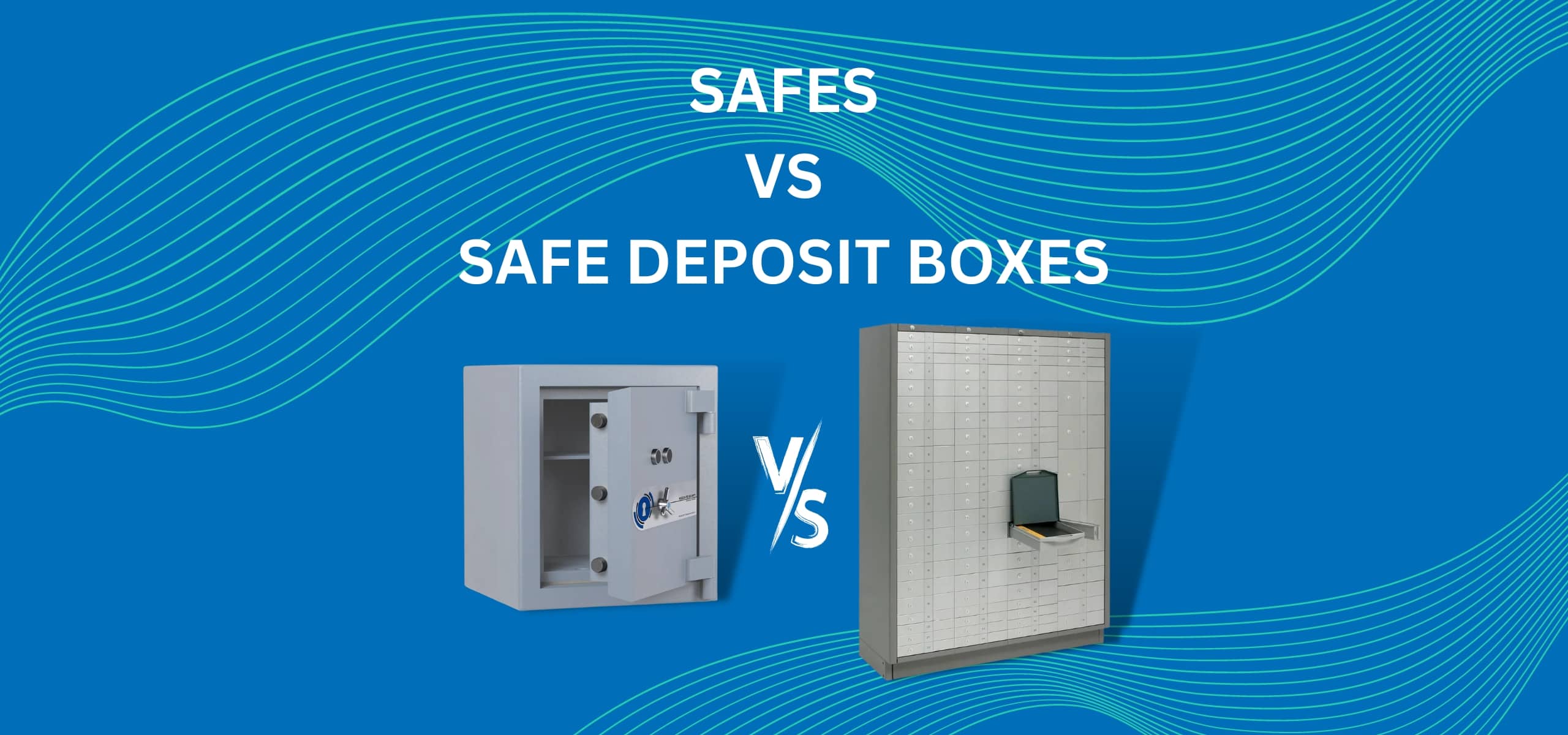
A high-quality, UL-rated fireproof safe like a SentrySafe or a Honeywell might cost $200 upfront. If you keep it for ten years, that's $20 a year. It's cheaper than the bank. But—and this is a big "but"—a home safe can be stolen. A burglar isn't going to try to crack a safe in your bedroom; they are just going to carry the whole box out of the house and deal with it later.
A safety deposit box offers a level of physical security—think thick concrete, steel, and 24/7 surveillance—that your suburban closet just can't match.
What You Should Never Put in the Box
Ironically, the things you think belong in a box often shouldn't be there.
- Your Will: In many states, the bank is required to seal the box the moment they learn of your death. Your heirs might need a court order just to get the Will out to prove who is in charge. Keep the original with your lawyer or in a fireproof safe at home.
- Powers of Attorney: If you're incapacitated, your family needs that document now, not when the bank opens on Tuesday.
- Uninsured Cash: It’s actually against many bank's Terms of Service to store cash. Plus, it earns zero interest and isn't protected against theft or damage.
How to Get the Best Deal on a Box
If you’ve decided you need one, don't just walk into the first branch you see. Call around. Smaller community banks or local credit unions often have more availability and lower prices than the "Big Four" national banks.
Ask specifically about:
- Senior citizen discounts.
- Bundle deals with your checking account.
- The "drilling fee" policy.
- Access hours (some branches have very limited hours for the vault).
It's also worth checking if the branch is in a flood zone. Even though it's a vault, water is a persistent enemy. If the boxes are in a basement in a low-lying city, maybe look for a branch on higher ground.
Final Steps for the Savvy Saver
When you finally sign the paperwork and get those two shiny keys, take a photo of everything you put inside. Better yet, video yourself placing the items in the box. Keep a digital inventory on a secure cloud drive. If the unthinkable happens—fire, flood, or a very rare heist—having a dated record of the contents is the only way you'll ever see a dime from an insurance claim.
Don't just set it and forget it. Every year, when you get that renewal notice, ask yourself if the items inside are still worth the fee. If you've sold the jewelry or the bonds have matured, let the box go. There’s no point in paying $100 a year to store a paper trail that no longer matters.
Actionable Takeaways
- Audit your assets: Determine if the physical value or sentimental weight of your items truly justifies a recurring annual fee.
- Call your insurer: Before signing a bank contract, find out exactly how much it will cost to "schedule" your jewelry or collectibles on your homeowners' policy.
- Check the "Premier" status: See if upgrading your bank account to a higher tier (which might require a higher minimum balance) actually saves you money by waiving the box fee.
- Choose the right size: Opt for the smallest box possible. You’d be surprised how much paper can fit into a 3x5 space if it’s organized correctly.
- Duplicate your keys: Store your two keys in separate, secure locations—neither of which should be inside the box itself.
- Update your "In Case of Death" plan: Ensure your executor knows where the box is and has the legal authority (and a key) to access it when the time comes.
Getting a safety deposit box is a bit of an old-school move in a high-tech world, but for certain irreplaceable items, there's still nothing that beats a literal wall of steel. Just make sure you know exactly what you’re paying for—and what you aren’t.