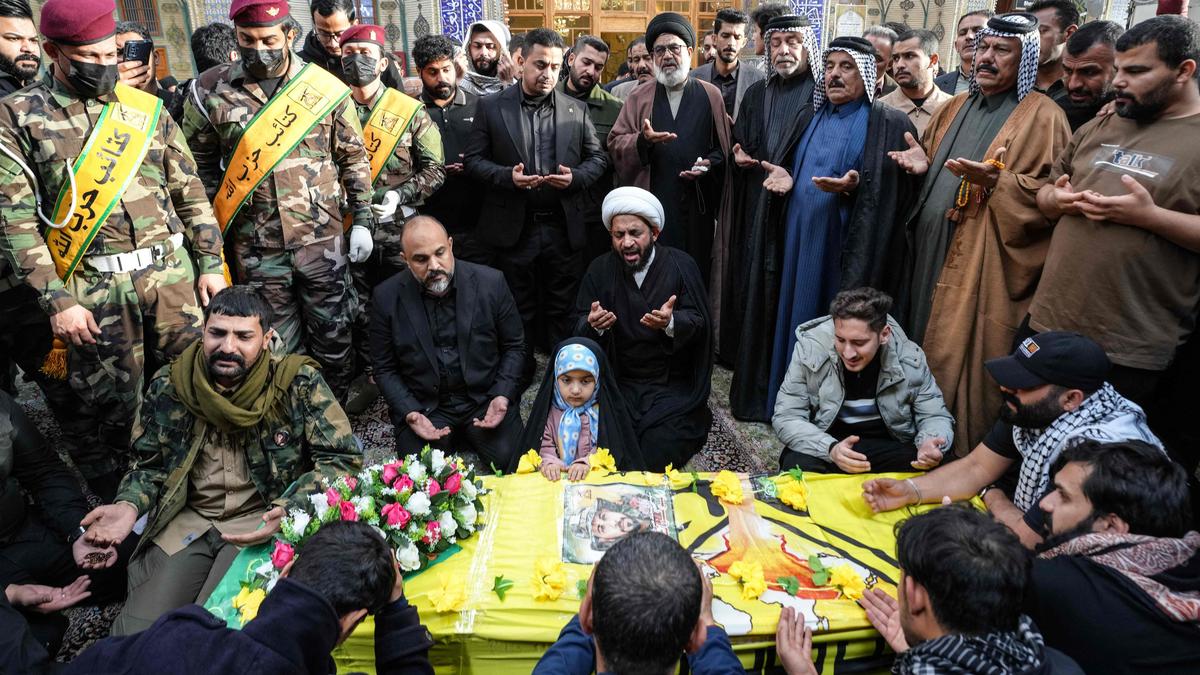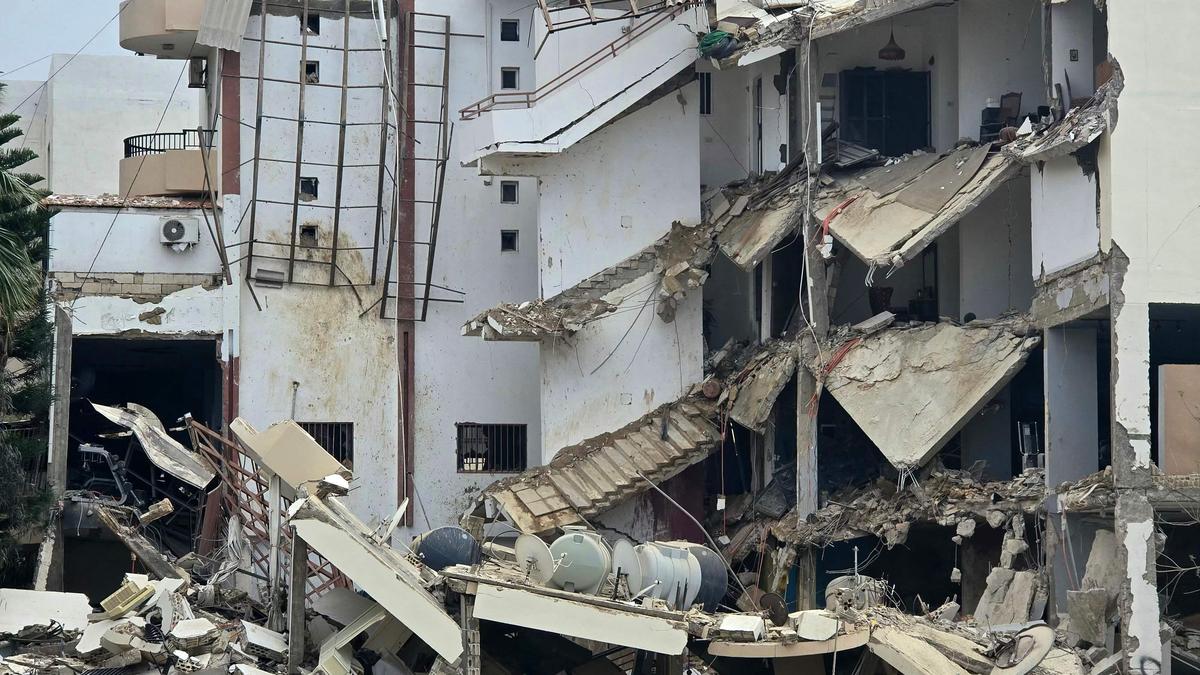
The headlines make it sound like a quick sweep, but the reality on the ground in South Lebanon right now is anything but clean. You’ve probably seen the reports: Hezbollah claims it’s knocking out tanks, while Israel says its "limited" operation is moving according to plan. But if you look at the map of towns like Khiam and Taybeh, it’s clear we’ve moved past the posturing stage. We’re in a grinding, high-stakes collision that feels a lot more like a permanent shift in the region than a temporary border skirmish.
This isn’t just a repeat of 2006 or the late-2024 flare-ups. This is a full-blown attempt to rewrite the security of the Levant. With over 900 people killed in Lebanon and nearly a million displaced since this current round kicked off on March 2, 2026, the human cost is already staggering. If you're wondering why this is happening now, it's simple: Hezbollah officially jumped back into the fray to avenge the killing of Iran’s Supreme Leader, and Israel decided that "containment" is no longer an option.
The Battle for the Hilltops
Right now, the most intense fighting is focused on the strategic town of Khiam. If you haven't looked at a topographical map lately, Khiam is basically a natural fortress. It sits on a hilltop overlooking both Southern Lebanon and Northern Israel. Whoever holds that ridge controls the supply lines.
Hezbollah isn't just sitting back and taking hits. On March 18 and 19, they reported ambushing Israeli units entering Taybeh. They claim to have taken out five Merkava tanks using guided missiles. Now, military claims in the middle of a war zone are always hard to verify to the last digit, but the fact that Israel is advancing slowly—one or two kilometers a day—tells you they aren't exactly strolling through. They’re facing a group that has spent years digging in.
- Systematic destruction: Reports from the ground indicate the IDF isn't just passing through villages; they’re using bulldozers and artillery to flatten border towns like Kfar Kila and Aitaroun.
- Small-unit tactics: Instead of large formations, Hezbollah is fighting in small, mobile groups. This makes it incredibly hard for Israeli airpower to pick them off without also hitting everything around them.
- The Litani line: Israel's stated goal is to push Hezbollah north of the Litani River to create a "buffer zone."
Why This Invasion is Different
In previous years, we saw a lot of "tit-for-tat" strikes. This is different because the Israeli political echelon has basically signaled they’re done with the status quo. They’ve ordered a massive evacuation of everything south of the Zahrani River—that’s more than 40 kilometers from the border. When you tell 800,000 people to leave their homes and head north, you aren't planning a weekend raid.
Hezbollah’s Radwan Force, their elite unit, has reportedly moved back into these border areas after technically withdrawing in 2024. This sets up a direct confrontation between Israel’s high-tech armor and some of the most experienced guerrilla fighters in the world. Honestly, it’s a recipe for a long, ugly war of attrition.
The Geopolitical Context You Can't Ignore
You can't talk about South Lebanon without talking about Iran. This latest escalation was triggered by the U.S.-Israeli strikes that killed Ayatollah Ali Khamenei on February 28. Hezbollah’s leader, Naim Qassem, basically said the group has an "existential duty" to fight now.
But here’s the kicker: the Lebanese government isn't on board. They’ve publicly condemned Hezbollah for dragging the country into a war without state permission. Imagine being the Lebanese Army, stuck between an invading force and a powerful domestic militia you’re technically supposed to disarm but can't. It’s a mess.
What’s actually happening on the frontlines
- Guided Missiles: Hezbollah is leaning heavily on anti-tank guided munitions (ATGMs). These are their best bet against the Merkavas.
- Airstrikes: Israel is conducting 40 to 50 attack waves a day. Most of these aren't just at the border; they’re hitting Beirut and the Bekaa Valley.
- The "Gaza Model": Israeli officials are openly comparing this operation to their tactics in Gaza—aiming to completely dismantle "terror infrastructure" so residents of Northern Israel can finally go home.
The Long Road to "Buffer"
Don't expect this to wrap up in "three weeks" as some military spokespeople suggest. Creating a buffer zone in a region where the local population is heavily intertwined with the militia is nearly impossible without a permanent occupation. And "occupation" is a word that carries a lot of baggage in Lebanon.
If you're following this, keep your eyes on the humanitarian corridors. With 19% of Lebanon's population displaced, the social fabric of the country is under immense pressure. The international community, including Canada and France, is already screaming about "devastating consequences," but neither side seems to be listening.
If you want to understand the military shifts, track the movement of the IDF’s 98th and 91st Divisions. Their progress—or lack thereof—along the eastern sector will tell you more about the war's trajectory than any press release will. You should also watch for whether the Lebanese Army begins to actually enforce its ban on Hezbollah's military activities, though that seems unlikely given the current chaos.