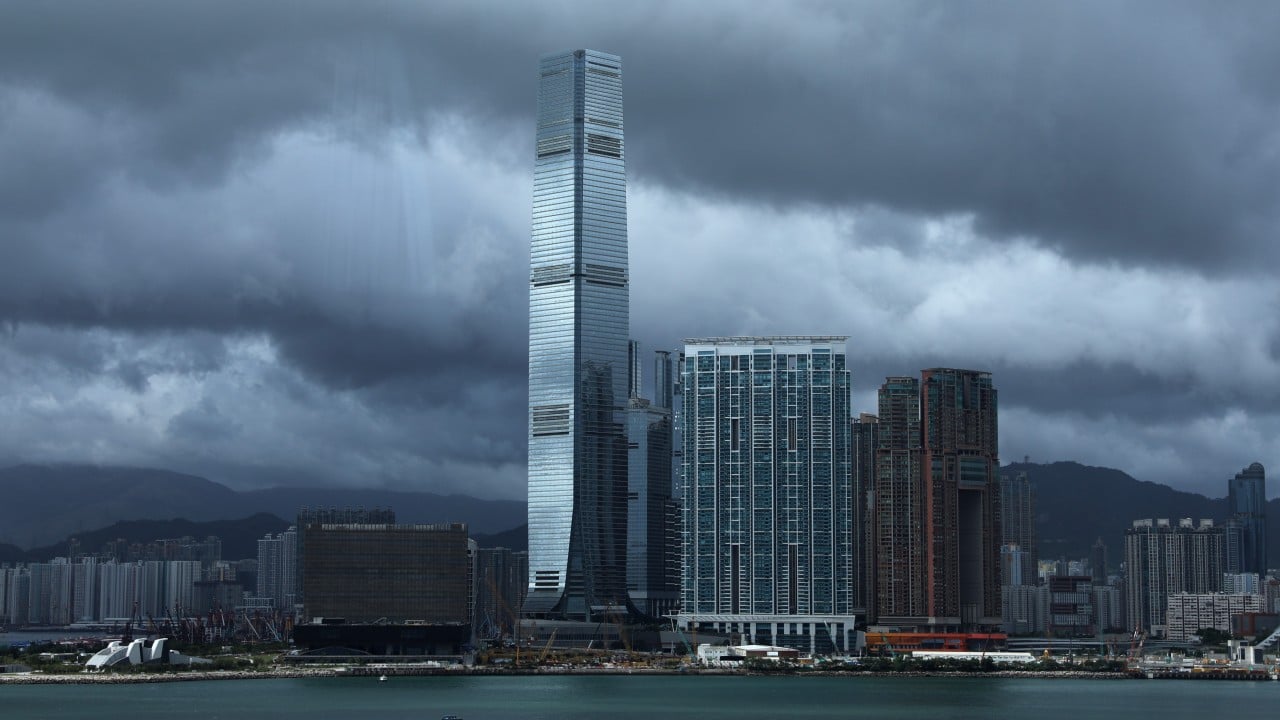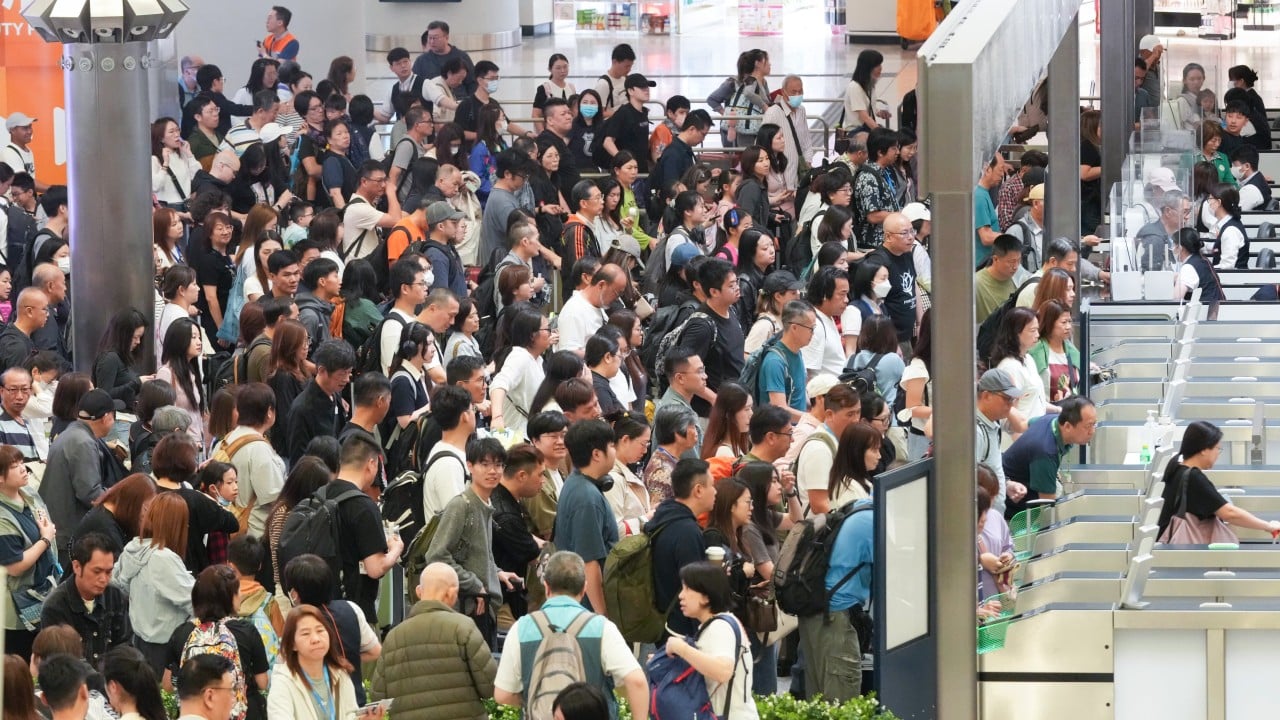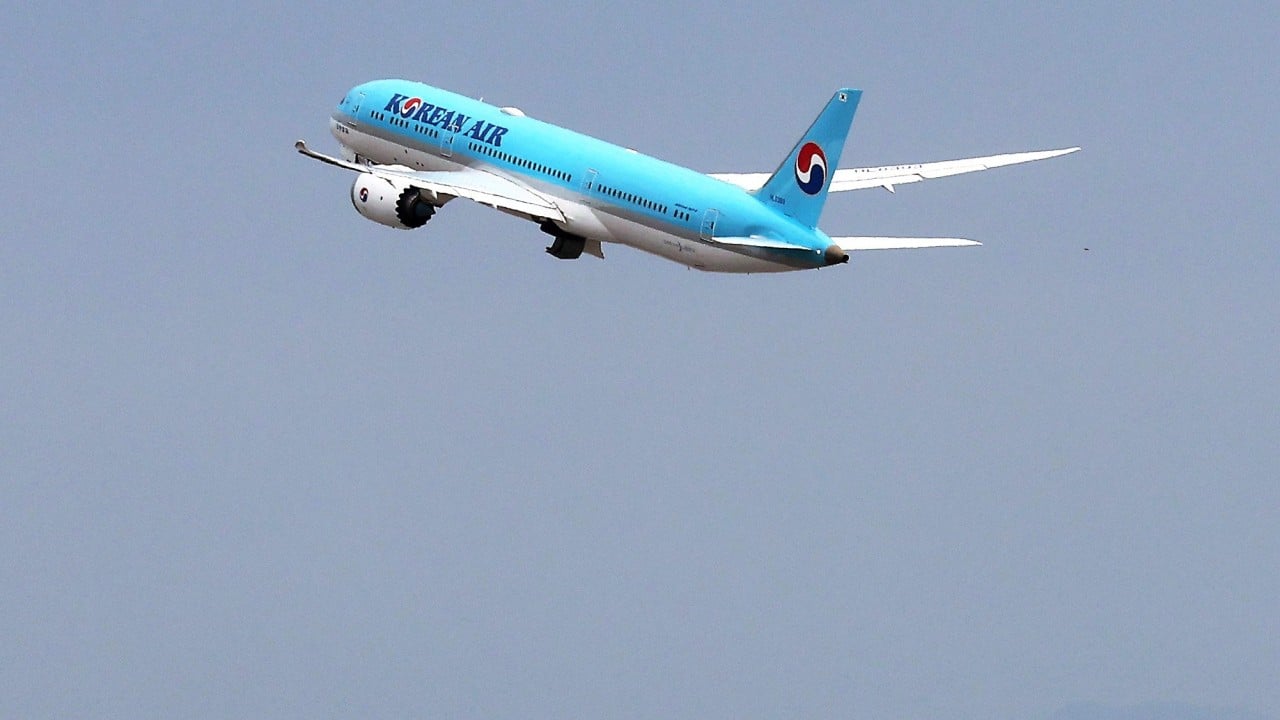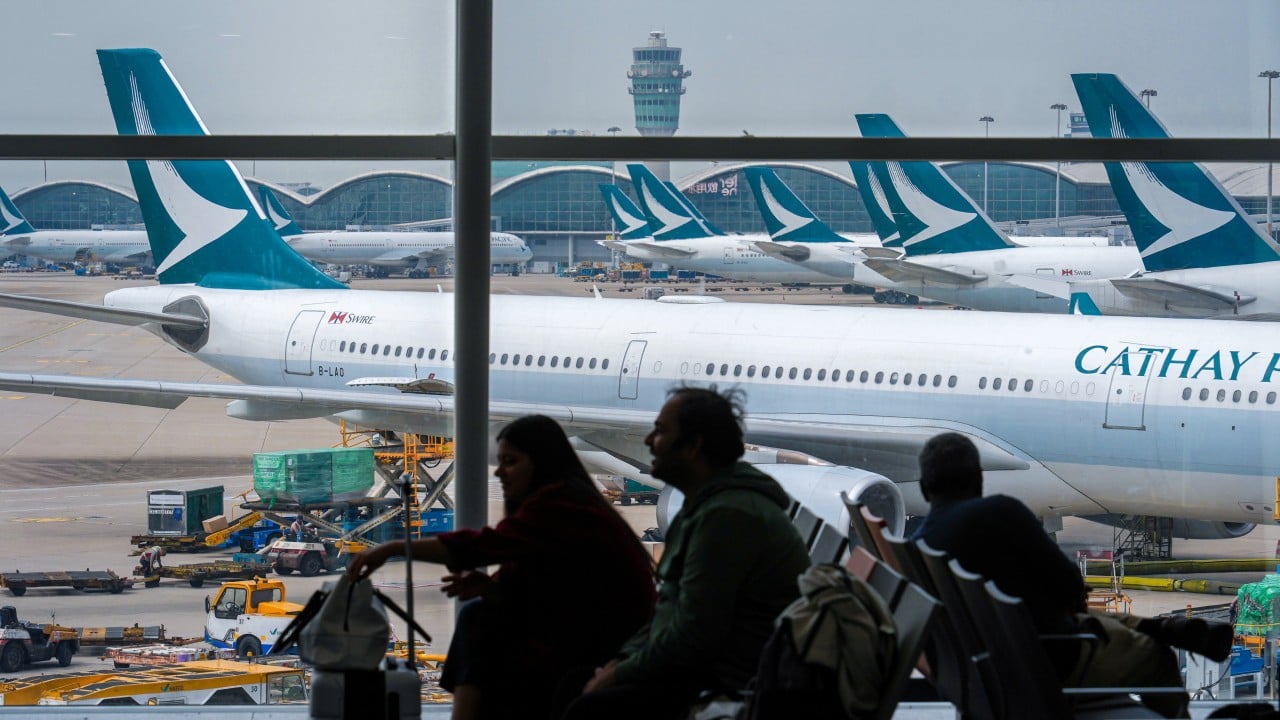
Hong Kong is emptying out again. Despite a global spike in aviation fuel prices and a local economy that feels like it is treading water, the Easter long weekend has triggered a mass departure that defies conventional financial logic. It is not just about a holiday. For many, leaving the city has become a psychological necessity, a pressure valve that must be released regardless of the price tag on the ticket.
The numbers tell a story of desperation masked as leisure. Immigration Department data suggests that hundreds of thousands of residents are crossing the borders by land, sea, and air. They are paying a premium of 30% to 50% more for short-haul flights compared to pre-pandemic benchmarks. Yet, the check-in rows remain packed. To understand why this is happening, we have to look past the surface-level desire for a tan in Phuket or a bowl of ramen in Tokyo. We have to look at the structural shifts in how Hong Kongers value their time and their money.
The Cost of Staying Put
For years, the argument for staying in Hong Kong during a public holiday was simple. It was cheaper, easier, and the city offered world-class dining. That math has shifted. The domestic retail and food and beverage sectors are struggling with a labor shortage and rising operational costs. This has led to a noticeable dip in service quality and a sharp increase in menu prices.
When a resident looks at the cost of a high-end dinner in Causeway Bay versus the total cost of a weekend trip to Shenzhen or Taipei, the gap is narrowing. The "staycation" trend that peaked during the years of restricted travel has evaporated. People no longer want to see the same skyline from a different window. They want out.
The Japan Obsession and the Currency Factor
Japan remains the undisputed heavyweight champion of Hong Kong travel destinations. The reason is not just cultural affinity. The weak Yen has acted as a massive subsidy for Hong Kong travelers. Even with inflated airfares, the purchasing power of the Hong Kong Dollar—pegged to a strong US Greenback—makes Japan feel like it is on sale.
Imagine paying $800 USD for a flight that used to cost $500 USD. On paper, that is a bad deal. However, once the traveler lands in Osaka or Tokyo, their accommodation, dining, and shopping are effectively 20% cheaper than they were a few years ago. This creates a mental accounting trick. The traveler justifies the expensive flight by promising to make it up through cheap luxury goods and high-quality meals on the ground. It is a gamble that millions are willing to take.
The Regional Rivalry for the Wallet
It is not just Japan. Southeast Asia is aggressively courting the Hong Kong dollar. Destinations like Vietnam and Thailand have pivoted their marketing strategies to highlight value for money. They aren't just selling beaches; they are selling an escape from the claustrophobia of Hong Kong’s high-density living.
The Shenzhen Effect
While the headlines often focus on those flying to distant shores, the real seismic shift is happening at the land borders. The Northbound travel trend is no longer a niche activity for retirees. It is a mainstream movement.
Shenzhen has transformed from a manufacturing hub into a lifestyle playground. The integration of the Greater Bay Area is not just a policy goal; it is a lived reality for the thousands of people who cross the border every weekend to shop at warehouse clubs or eat at trendy restaurants that offer three times the space for half the price. This "consumption migration" is a direct threat to Hong Kong’s local economy. When people leave for Easter, they aren't just taking their bodies elsewhere; they are taking their disposable income.
Why the Local Market is Bleeding
The local retail sector is facing a "double whammy." Not only are residents leaving to spend elsewhere, but the influx of mainland tourists into Hong Kong has changed in nature. The big-spending luxury shoppers of the mid-2010s have been replaced by "cultural tourists" who are more interested in taking photos for social media than buying expensive watches.
The Logistics of the Rush
Aviation capacity has not yet fully returned to 2019 levels. This supply-demand imbalance is the primary driver of the "higher costs" mentioned in every travel report this season. Airlines are not charities. They are looking to repair their balance sheets after years of unprecedented losses.
By keeping capacity tight and prices high, they are ensuring that every seat sold is highly profitable. For the traveler, this means longer layovers, older aircraft on certain routes, and a complete lack of "last-minute deals." The era of the cheap weekend getaway is over, replaced by the era of the pre-planned, high-budget excursion.
The Psychological Breaking Point
There is a deeper, more intangible factor at play here. Hong Kong is a high-stress environment. The political and social shifts of the last five years have left many feeling a sense of fatigue. Travel is the only way to truly disconnect.
When a family decides to spend $5,000 USD on an Easter trip that should cost $3,500 USD, they aren't being fiscally irresponsible. They are making a calculated investment in their mental health. They are buying a temporary reprieve from the noise, the crowds, and the underlying tension of a city in transition. You cannot put a price on the feeling of being "elsewhere."
The Middle Class Squeeze
The burden of these higher costs falls most heavily on the middle class. The ultra-wealthy are unaffected by a 40% hike in business class fares. The lower-income brackets are priced out of international travel entirely, relegated to local parks or perhaps a day trip across the border.
It is the professional class—the doctors, lawyers, and mid-level managers—who are feeling the pinch. They are the ones refreshing booking apps at midnight, trying to find a route that doesn't involve a twelve-hour layover in a secondary airport. They are the ones who will return from their "relaxing" break and immediately start worrying about the credit card bill.
A Changing Definition of Value
We are witnessing a fundamental shift in what "value" means to a Hong Konger. It used to be about the lowest price. Now, it is about the intensity of the experience. If you are only going to travel twice a year, you want those trips to be flawless. You want the best food, the best service, and the most "Instagrammable" moments.
This explains why premium economy and luxury boutique hotels are seeing record bookings. If the cost of the "basic" experience has risen so much, many feel they might as well pay a little more for the "premium" version. It is a logic of extremes.
The Future of the Long Weekend
The pattern established this Easter is likely to become the new permanent state of affairs. High costs are not a temporary glitch; they are the result of structural changes in the global travel industry and the local economy.
Hong Kong will continue to see these mass departures during every public holiday. The city’s role as a transit hub is evolving into its role as a "departure lounge" for its own residents. The real challenge won't be convincing people to stay; it will be finding a way to make the city attractive enough that they actually want to come back.
The exodus is a signal. It is a signal that the cost of living in Hong Kong is not just measured in rent and groceries, but in the price one must pay to occasionally leave it all behind.
Stop looking for the return of the "cheap" holiday. It isn't coming back. Instead, watch the border figures. They are the truest barometer of the city's collective spirit. When the cost of leaving is no longer a deterrent, it means the cost of staying has become too high to bear.