You know that feeling when you're driving, a song comes on the radio, and you just know it’s a Grammy winner? It's that unquantifiable mix of a killer vocal, a hook that won't leave your brain, and a production that feels like it cost more than your house. That is the essence of the Grammy Best Pop Solo Performance.
But here’s the thing: it’s actually one of the youngest "big" categories at the Grammys. It hasn't been around since the beginning. It feels like a staple now, but the way we categorize "pop" used to be way messier.
The Weird History of How We Got Here
Before 2012, the Recording Academy had a "gendered" system. You had Best Female Pop Vocal Performance and Best Male Pop Vocal Performance. It was very binary. Very old-school. If you were a guy, you fought the guys; if you were a girl, you fought the girls.
Then came the Great Restructuring.
The Academy decided to trim the fat. They smashed the male and female categories together, added instrumental pop (which used to have its own category too), and birthed the monster we now know as the Grammy Best Pop Solo Performance.
The goal? Gender equality. The result? A bloodbath. Now, everyone—from legacy acts like Adele to newcomers like Chappell Roan—is fighting for the same piece of gold.
Who Actually Owns This Category?
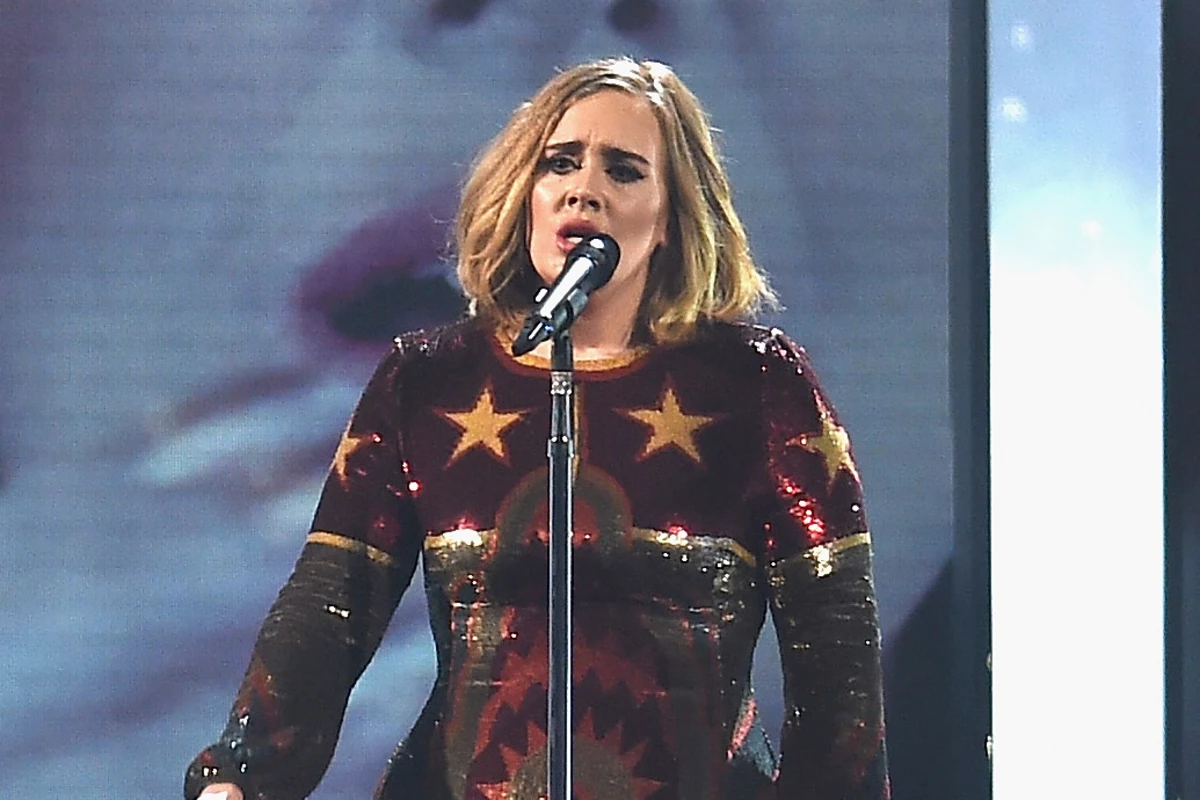
If this category were a kingdom, Adele would be the undisputed Queen. Honestly, her run is kind of ridiculous. She won the very first one in 2012 for "Someone Like You." Then she won again in 2013 for a live version of "Set Fire to the Rain."
Think about that. She beat out studio-perfected tracks with a recording of her just singing her heart out on a stage.
She later took it home for "Hello" and "Easy on Me." With four wins, she's the only person to have more than two. Ed Sheeran is the only other person with multiple wins (he has two, for "Thinking Out Loud" and "Shape of You").
The Nomination Leaders
While Adele wins the most, other artists are constantly knocking on the door.
- Taylor Swift: She has five nominations in this category. Surprisingly, as of 2025, she hasn't actually won this specific award yet. She’s been nominated for "Shake It Off," "Blank Space," "You Need to Calm Down," "Cardigan," and "Anti-Hero."
- Billie Eilish: Also sitting on five nominations. She's basically the Academy’s golden child, but the Solo Pop trophy has been elusive compared to her Record or Song of the Year sweeps.
- Kelly Clarkson: A dark horse legend. She’s been nominated four times. Even if she doesn't win every time, the Academy clearly respects her "vocalist's vocalist" status.
The Recent Shakeups (2024-2026)
The last few years have felt like a massive changing of the guard.
In 2024, Miley Cyrus finally got her flowers. Literally. "Flowers" wasn't just a hit; it was a cultural reset. It won her the Grammy Best Pop Solo Performance, marking her first-ever Grammy win. It felt like a "long time coming" moment for a woman who has been in the industry since she was a kid.
Then came 2025. Sabrina Carpenter entered the chat.
"Espresso" was everywhere. You couldn't buy a coffee without hearing it. At the 67th Annual Grammy Awards, Sabrina took home the trophy, beating out some massive heavyweights:
- Beyoncé ("Bodyguard")
- Billie Eilish ("Birds of a Feather")
- Chappell Roan ("Good Luck, Babe!")
- Charli XCX ("Apple")
Winning against that lineup is basically the musical equivalent of winning an Olympic gold in a sprint against Usain Bolt.
As we look toward the 2026 ceremony, the buzz is already deafening. The preliminary list of contenders is a fever dream for pop fans. We’re seeing names like Lady Gaga for "Disease" and Chappell Roan back again for "The Subway." Justin Bieber is also in the mix with "Daisies."
What the Voters are Actually Looking For
It’s not just about who has the most Spotify streams. If it were, the list of winners would look very different. The Academy is made up of peers—other singers, producers, and engineers. They care about "vocal excellence."
But "pop" is a loose term.
Sometimes they go for the big, soaring ballad (Adele). Sometimes they go for the funky, rhythmic earworm (Harry Styles for "Watermelon Sugar"). Lately, they’ve been leaning into "it" moments—songs that define a specific summer or a specific mood.
Does a Live Version Help?
Surprisingly, yes. Adele proved it with "Set Fire to the Rain," and Pharrell Williams won it for a live version of "Happy." If you can prove you can do it without the studio magic, the voters tend to swoon.
The Snubs Nobody Talks About
We have to mention the people who should have won.
Katy Perry has three nominations and zero wins. "Firework" and "Roar" were massive, but she ran into the Adele buzzsaw. It’s a reminder that this category is often about timing as much as talent. You can have the biggest song in the world, but if a "prestige" artist releases a heartbreak ballad in the same year, you’re probably going home empty-handed.
Beyoncé is another one. She’s the most awarded artist in Grammy history, yet she hasn't won Grammy Best Pop Solo Performance. She’s been nominated for "Hold Up," "Spirit," and "Bodyguard." It’s one of the few holes in her legendary resume.
Actionable Insights for Music Fans
If you're trying to predict the next winner or just want to understand the category better, keep these points in mind:
- Watch the "Vocal" flex: The Academy loves a bridge that shows off range. If a song is just a flat "talk-sing" vibe, it rarely wins here.
- Check the Songwriter credits: Even though this is a "performance" award, the Academy leans toward artists who have a hand in writing their own material.
- Follow the "First Winner" trend: The Grammys love to reward an artist's "arrival" moment. Think Olivia Rodrigo for "Drivers License" or Lizzo for "Truth Hurts."
- Monitor the 2026 nominations: Keep an eye on the 68th Grammy cycle. With the 2025 wins for Sabrina Carpenter, the "Pop Girl Summer" era is officially Academy-sanctioned.
To stay ahead of the curve, you can check the official Grammy website for the latest rule changes or eligibility dates, as they often shift slightly from year to year. Watching the "Big Four" categories (Album, Record, Song, New Artist) is also a great way to see which solo pop artists are the Academy favorites for the year.