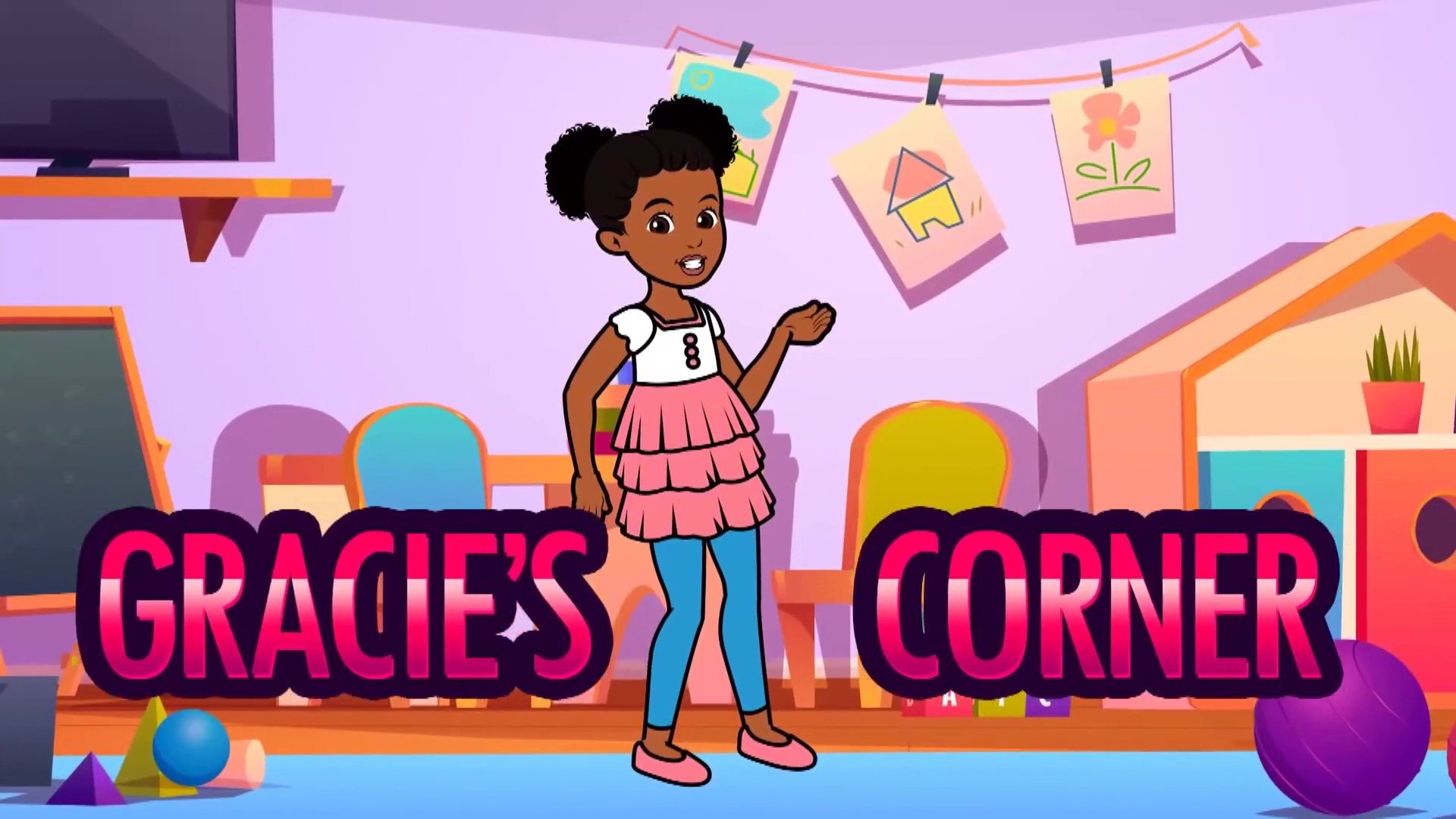
If you’ve spent more than five minutes in a house with a three-year-old lately, you’ve probably heard it. That heavy bassline. That marching band energy. The voice of a young girl named Gracie leading a rhythmic charge through the numbers one to one hundred.
Gracie’s Corner Count to 100 isn't just another nursery rhyme. It’s a cultural phenomenon that has basically taken over living rooms across the globe. But why? Why does this specific version stick when so many other "educational" videos feel like nails on a chalkboard for parents? For a different perspective, check out: this related article.
Honestly, it’s because it doesn't sound like "baby music." It sounds like something you’d actually hear on the radio.
The Magic Behind the Marching Band
Most counting songs are slow. Plodding. They treat kids like they can't handle a beat. Gracie’s Corner takes the opposite approach by using a high-energy marching band theme. Similar analysis on this trend has been provided by GQ.
The song starts with a call to action: "Stand up on your feet and let’s get ready to count!" It’s kinesthetic learning disguised as a dance party. When kids march "left, left, left, right, left" while shouting out numbers, they aren't just memorizing sounds. They’re engaging their motor skills.
Dr. Javoris Hollingsworth, the creator and a chemist by trade, along with his wife Dr. Arlene Gordon-Hollingsworth, a psychologist, understood something crucial. Representation matters, but so does the "vibe." They created this for their daughter, Graceyn (the voice of Gracie), because they saw a void in the market for diverse, high-quality educational content that actually slapped.
Why 100 is the Big Milestone
Counting to ten is easy. Getting to twenty is a hurdle. But hitting 100? That’s the "big kid" league.
- Pattern Recognition: Around the number 20, kids start to realize the "twenty-one, twenty-two" pattern repeats.
- Stamina: It takes several minutes to get through the whole song. That's a long time for a toddler to focus!
- The "Freeze" Moment: The song includes a "freeze" command, which is a classic executive function tool. It teaches kids inhibitory control—basically the ability to stop an action on command.
It’s More Than Just Numbers
You’ve probably noticed that Gracie isn't just standing there. She’s part of a world that looks like the world many kids actually live in. The animation features a diverse cast, vibrant colors, and a level of "cool" that most Cocomelon-style clones lack.
There's a reason the channel has racked up billions of views. They aren't just teaching math; they're building confidence. When a child finally hits that "99... 100!" along with the track, the sense of accomplishment is visible. They feel like they’ve won a race.
"We wanted to create something that our kids could see themselves in, but also something that parents wouldn't mind hearing on repeat." — This sentiment from the Hollingsworths is exactly why you don't want to throw your TV out the window after the tenth play.
The Science of the "Earworm"
Ever wonder why you're humming the "Count to 100" melody while doing dishes alone? That's the power of the hook.
Research into early childhood numeracy suggests that rhythm is a bridge to mathematical understanding. Music and math are essentially the same language of patterns. By setting the numbers to a steady, 4/4 marching beat, the song helps children predict what comes next.
It’s called "rote counting," and while some educators say it’s just memorization, it’s actually the essential first step toward "rational counting" (understanding that the word "five" represents five actual physical things).
Making the Most of the Song at Home
If your kid is obsessed, don't just let the screen do the work. You can turn this into a full-blown lesson without it feeling like "school."
- Marching Orders: Get some toy drums or even just Tupperware. Have them hit the "beat" every time they hit a multiple of ten.
- The Number Line: Layout some flashcards on the floor. Have them jump to the number Gracie is shouting.
- The Transition Tool: Use the song's ending—the "freeze"—as a way to transition to nap time or dinner. "When Gracie freezes, we’re headed to the table!"
What Most People Get Wrong
A common misconception is that watching these videos replaces "real" learning. That’s a bit of a cynical take.
In reality, Gracie’s Corner acts as a supplement. It provides a baseline of familiarity. When a teacher in a classroom says, "Let's count to fifty," the child who has been jamming to Gracie isn't intimidated. They've been there before. They know the rhythm of the numbers.
The song is available on basically every platform—YouTube, Spotify, Apple Music. It’s part of the Gracie’s Corner Kid Hits Vol. 2 album, which, let’s be real, has better production value than half the stuff on the Billboard Hot 100.
Next Steps for Parents
If your little one has mastered the Gracie's Corner Count to 100 challenge, it might be time to level up. You can find their "Count by Fives" or "Count by Tens" videos to start introducing the concept of skip counting, which is the literal foundation for multiplication later on.
Don't just watch—march. The more they move, the more those numbers stick. And if you find yourself doing the "left, left, left, right, left" march in the grocery store aisle? Well, welcome to the club.