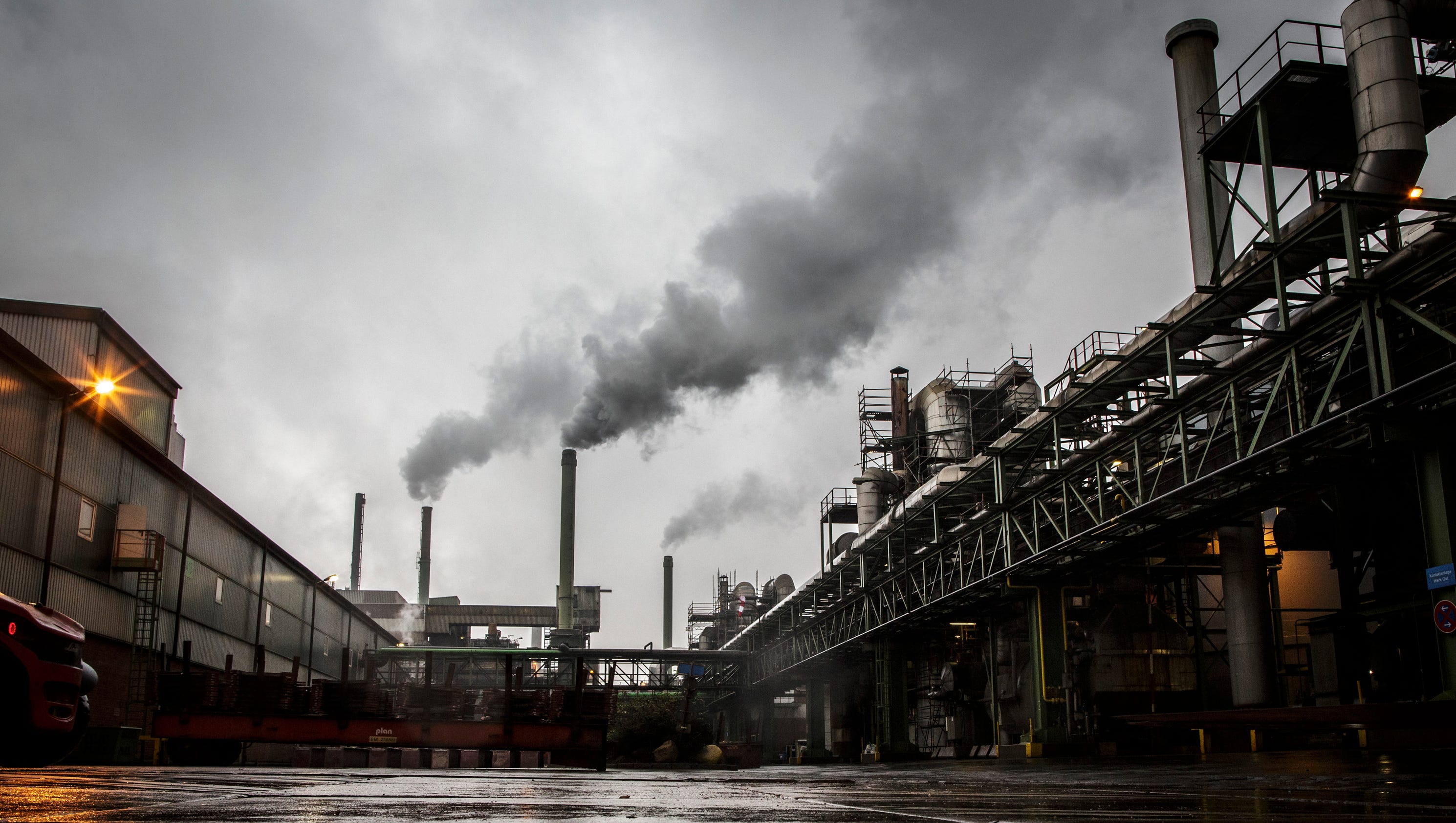
You’ve seen the polar bear. You know the one—scrawny, ribs poking through yellowing fur, scavenging for a scrap of food on a patch of dirt that used to be a glacier. It’s the quintessential example of global warming pictures images that went viral and defined an entire decade of climate activism. But here’s the thing: that image, while heartbreaking, sparked a massive debate among photographers and scientists about whether we’re actually helping or hurting the cause by focusing on "disaster porn."
Visuals move us. They just do.
Statistics about 1.5 degrees Celsius are abstract and, honestly, kinda boring to the average person scrolling through their feed at 11:00 PM. But a photo of a house in North Carolina literally falling into the Atlantic Ocean? That sticks. It gets shared. It ranks. However, the way we consume these images is shifting because the climate crisis isn't just about melting ice anymore. It’s about the wildfire smoke in your backyard and the flood in a subway station you recognize.
The Evolution of the "Climate Icon"
For years, the visual language of climate change was basically just ice. Big, blue, crashing chunks of it. National Geographic and NASA have spent decades documenting the "retreat" of glaciers, and these global warming pictures images served as the canary in the coal mine.
Take the work of James Balog and the Extreme Ice Survey. He set up time-lapse cameras in the Arctic that captured years of geological change in mere seconds. It was revolutionary. But recently, experts like those at Climate Visuals—a project by Climate Outreach—have found that people are getting "ice fatigue." If all we see are glaciers, we start to think climate change is something that only happens at the poles, far away from our daily lives.
We need to see people.
When you look at the 2024 images coming out of the Rio Grande or the droughts in Sicily, the "vibe" is different. It’s no longer about a distant wilderness; it’s about the farmer who can’t grow wheat and the family moving their belongings in a plastic tub. These are the images that are starting to dominate search engines because they feel real. They feel like us.
Why Some Images Go Viral and Others Don't
There is a science to why certain global warming pictures images end up on the front page of Reddit or the New York Times. It’s usually a mix of "The Rule of Thirds" and sheer, unadulterated terror.
Consider the "Firenado" photos from the California wildfires. They look like something out of a big-budget Hollywood movie. Because they are so cinematic, they bypass our logical brain and hit the "fight or flight" response. This is great for awareness but can lead to "doomscrolling" where people feel so overwhelmed they just stop caring.
Contrast that with "solution-based" imagery. You’ve probably seen shots of massive solar farms in the Moroccan desert or wind turbines rising out of the North Sea. These don't always get the same clicks as a burning forest, yet they are becoming a vital part of the SEO landscape for climate change. People are starting to search for "what does a green city look like" just as much as "Arctic melt."
The Ethics of the Shot
We have to talk about the "Starving Polar Bear" video from 2017 by SeaLegacy. It was one of the most-watched global warming pictures images in history. Later, the photographers admitted they couldn't definitively prove that specific bear was dying because of climate change—it could have been sick or old.
This creates a trust gap.
When a photo is used as a "symbol," but the context is slightly off, it gives skeptics a lot of ammunition. That’s why modern climate photojournalism is pivoting toward radical transparency. Captions are getting longer. Metadata is being checked. Photographers like Ed Kashi are focusing on the "slow violence" of climate change—the incremental changes that aren't as flashy as an explosion but are more representative of the truth.
- Aerial Photography: Drones have changed everything. Seeing the scale of deforestation in the Amazon from 400 feet up provides a perspective a ground-level shot just can't match.
- Satellite Imagery: Companies like Maxar are providing high-res "before and after" shots of flood zones that make the impact undeniable.
- Thermal Imaging: This is a newer trend. Showing the "heat island" effect in cities like Phoenix or New Delhi through a thermal lens makes the invisible visible. It’s haunting to see a playground glowing purple and red because it’s literally too hot to touch.
How to Find Authentic Imagery Without Being Scammed by AI
We are entering a weird era. AI-generated images of "flooded London" or "futuristic green New York" are everywhere. They look perfect. Too perfect.
If you are looking for real global warming pictures images, you need to stick to verified sources. The World Meteorological Organization (WMO) and the European Space Agency (ESA) have massive libraries of factual, raw data.
Avoid the stuff that looks like a movie poster. Real climate change is often messy, dusty, and a bit dull. It’s a dry creek bed where there used to be a river. It’s the brown patches in a forest that used to be vibrant green.
The Shift Toward "Local" Visuals
The most impactful image you see today might not be from a professional photographer. It might be a smartphone photo from a neighbor showing the tide coming up over the sea wall in Miami. This "citizen journalism" is filling the gaps that big media misses. These images are raw. They lack the polish of a Getty Images professional shot, but they have a level of "street cred" that is hard to ignore.
When we look at the data, people respond more to images that show a "cause and effect." For example, a photo of a grocery store shelf with no produce alongside a photo of a drought-stricken farm. That connection makes the global warming "theory" a very local "reality."
Practical Ways to Use These Visuals for Good
If you’re a teacher, a blogger, or just someone who wants to share the truth on social media, don't just go for the most depressing photo you can find.
Mix it up.
Show the problem, but show the human response. Show the community building a community garden or the engineers installing sea gates. The goal of looking at global warming pictures images shouldn't be to ruin your day—it should be to understand the scale of the challenge we’re facing.
- Check the Source: Always look for the photo credit. If it says "Social Media" or doesn't have a name, be skeptical.
- Look for the Date: Climate change is a fast-moving target. An image of a glacier from 2005 doesn't tell the story of 2026.
- Context Matters: Read the caption. If a photo shows a flood, was it a once-in-a-hundred-year event or the fifth time it happened this decade?
- Support Photojournalists: Real climate photography is expensive and dangerous. Support outlets that pay people to go to the front lines.
Moving Beyond the Screen
The reality is that we are living in the "after" photo. We aren't looking at "future" predictions anymore; we are looking at the current state of the planet. While global warming pictures images can feel like a punch to the gut, they are also the most powerful tool we have for policy change.
The images of the 1969 Cuyahoga River fire in Ohio helped start the EPA. The images of the hole in the ozone layer led to the Montreal Protocol. Visuals have a track record of winning.
The next step is to use these images as a springboard for action rather than a reason to give up. Check out the NASA Vital Signs of the Planet website for the most up-to-date satellite imagery. Use tools like Google Earth Engine to see how your own hometown has changed over the last thirty years. If you're a creator, focus on "visualizing the solution"—show what a sustainable world actually looks like in practice, not just in theory. The more we normalize the visual of a changed world, the more we can focus on how to live in it and protect what's left.


