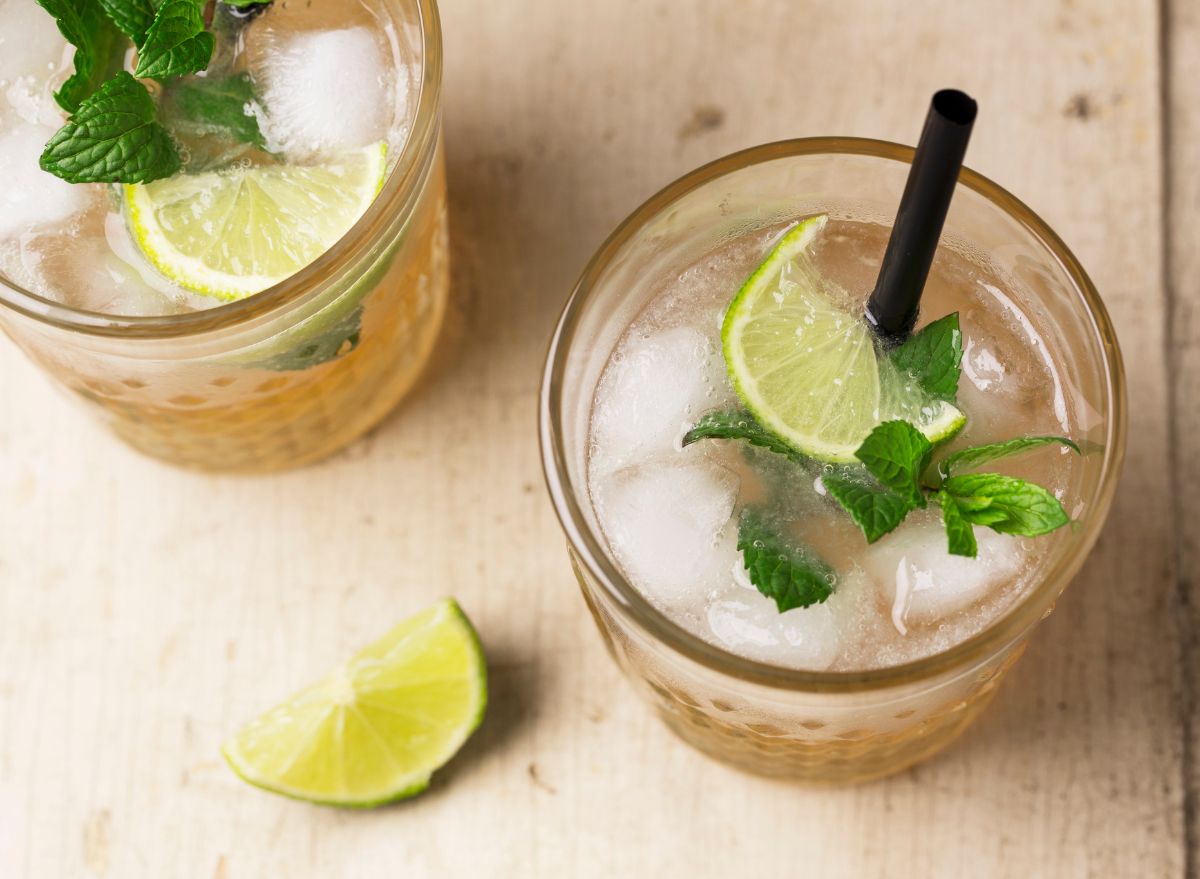
You’re doubled over. It’s that sharp, twisting sensation in your gut that makes you want to curl into a ball on the bathroom floor. Naturally, you reach for a cold can of Schweppes or Canada Dry because that’s what your mom did, and her mom before her. We’ve been conditioned to think ginger ale for stomach cramps is a biological miracle in a green aluminum can. But here’s the cold, fizzy truth: most of the stuff you buy at the gas station or the grocery store is basically just carbonated corn syrup with "natural flavors" that have never seen a real ginger root in their lives.
It’s kind of a placebo. A delicious, bubbly placebo.
If you want to actually stop the cramping, you need to understand the chemistry of the rhizome—the ginger plant itself—rather than just the sugar water marketed under its name. Real ginger contains bioactive compounds called gingerols and shogaols. These aren't just fancy words; they are phytochemicals that actually relax the smooth muscle of your intestinal lining. When your stomach is "cramping," those muscles are spasming. You need a physiological intervention, not just a nostalgic beverage.
The Science of the Spasm
Why do we even use ginger? It’s not just an old wives' tale.
A study published in Gene back in 2013 highlighted that ginger has been used for over 2,000 years in TCM (Traditional Chinese Medicine) to treat abdominal pain and "cold" in the stomach. The science suggests that gingerols act as an antispasmodic. They block certain calcium channels in the gut. If you’ve ever taken a calcium channel blocker for blood pressure, it’s a similar concept but localized to your digestive tract. By inhibiting these contractions, ginger helps the gut return to its normal rhythm, which doctors call peristalsis.
But here is the catch. Most commercial ginger ale for stomach cramps contains less than 0.5% actual ginger extract. Sometimes it's literally zero. You’re drinking high-fructose corn syrup (HFCS). And guess what? HFCS is a major trigger for bloating and osmotic diarrhea in people with sensitive guts or IBS. You might be making the cramps worse while trying to soothe them.
Carbonation: The Double-Edged Sword
Burping feels good. We all know it.
When you have that heavy, pressurized feeling in your upper abdomen, the carbonation in ginger ale forces a burp, which releases some of that gastric pressure. It’s an immediate, albeit temporary, relief. However, if your cramps are lower down—closer to your intestines—that extra CO2 is just adding more gas to an already inflamed system. You’re essentially inflating a balloon that’s already trying to pop.
Many gastroenterologists, including those at the Cleveland Clinic, often suggest letting the soda go flat before drinking it if you’re using it for nausea or cramps. It sounds gross. Flat soda? No thanks. But if the goal is medicine, the bubbles are often your enemy.
Is it Nausea or Muscle Cramps?
We often lump "stomach ache" into one big category, but ginger ale works differently depending on what's actually happening.
- For Nausea: Ginger is a gold medalist here. It’s been shown in clinical trials—like those involving chemotherapy patients or pregnant women with morning sickness—to be as effective as some over-the-counter medications. It works on the brain’s serotonin receptors in the gut.
- For Menstrual Cramps: Surprisingly, a study in the Journal of Alternative and Complementary Medicine found that ginger powder was as effective as ibuprofen for relieving pain during the first few days of menstruation.
- For Gas and Bloating: This is where the "ale" part fails. The sugar and bubbles can ferment in your gut, leading to more gas.
If you are dealing with ginger ale for stomach cramps caused by food poisoning or a virus, you also have to worry about dehydration. Sugary drinks pull water out of your tissues and into the gut to help process the sugar. This is called osmotic pull. It can actually lead to more cramping if you’re already losing fluids from other... ends.
How to Find "Real" Ginger Ale
Don't give up on the drink entirely. You just have to be a bit of a label snob.
Look for "Ginger Beer" instead of "Ginger Ale." While ginger beer is usually non-alcoholic these days, it’s brewed differently. It’s often fermented and contains actual sediment at the bottom of the bottle. That cloudy stuff? That’s the medicine. Brands like Reed’s (specifically their "Extra Bold" versions) or Fever-Tree use significant amounts of fresh ginger. You can taste the difference—it actually burns the back of your throat a little. That burn is the gingerol doing its job.
If the ingredient list says "Carbonated water, High Fructose Corn Syrup, Natural Flavor," put it back. You’re just buying soda.
The DIY Alternative
Honestly, the best way to use ginger ale for stomach cramps is to not use "ale" at all. You can make a potent "remedy" in about five minutes that beats anything in a can.
- Grate about an inch of fresh ginger root.
- Steep it in boiling water for ten minutes.
- Add a teaspoon of honey (which has its own antimicrobial properties).
- Add a splash of sparkling water if you really miss the fizz.
This gives you a concentrated dose of the compounds that actually stop muscle spasms without the gut-irritating additives found in industrial soda.
When Ginger Ale is a Bad Idea
There are moments when reaching for that ginger ale is actually a mistake. If you have a history of gallstones, be careful. Ginger stimulates bile production. While this is great for digestion normally, it can trigger a gallbladder attack if you have existing stones.
Also, if your stomach cramps are accompanied by a high fever, bloody stools, or pain so sharp you can't stand up, forget the soda. You need an ER, not a soft drink. We sometimes try to "home remedy" our way out of serious surgical issues like appendicitis. If the pain is localized to the lower right side, stop drinking anything and call a doctor.
Actionable Steps for Relief
If you're currently dealing with a bout of stomach distress, don't just mindlessly chug a liter of soda. Follow this hierarchy of intervention:
- Check the ingredients. If your "ginger ale" is just corn syrup and "Natural Flavor," it's a treat, not a treatment. Use it only for the "burp factor" if you feel gassy.
- Go for the heat. Use a heating pad on your abdomen while drinking your ginger beverage. The external heat helps relax the smooth muscles from the outside-in while the ginger works from the inside-out.
- Dilute it. If you only have standard ginger ale, mix it 50/50 with water. This lowers the sugar concentration so you don't trigger osmotic diarrhea but still get the psychological comfort of the drink.
- Choose Ginger Beer. If you're at the store, look for the bottles with actual ginger sediment. Shake it gently (not too much, or it'll explode) to incorporate those medicinal solids.
- Sip, don't chug. Gulping introduces more air into the esophagus, which can lead to even more pressure and cramping. Slow and steady wins the race.
The legend of ginger ale for stomach cramps persists because ginger is a legitimately powerful plant. But the modern beverage industry has stripped the plant of its power to make it shelf-stable and hyper-palatable. To get the benefits, you have to get back to the root—literally.