Honestly, it’s hard to believe it has been over fifteen years since GI Joe Rise of Cobra hit theaters in the summer of 2009. If you were around then, you probably remember the hype. Paramount was basically trying to bottle lightning twice after the massive success of the first Transformers movie. They wanted a high-octane, toy-driven franchise that could print money.
What they got was... complicated.
Depending on who you ask today, this movie is either a nostalgic, "guilty pleasure" blast of over-the-top fun or the moment a beloved 80s property was nearly ruined by CGI-heavy madness. Directed by Stephen Sommers—the guy who gave us The Mummy—the film didn’t exactly aim for gritty realism. It went the opposite direction. Fast.
What Really Happened During Production
The making of the GI Joe Rise of Cobra film was kind of a mess. You’ve probably heard the rumors that Channing Tatum hated being in it. Well, they aren't just rumors. Tatum has been pretty vocal about the fact that he was contractually obligated to do the film and actually passed on the script seven times before being told he didn't have a choice. He wanted to play Snake Eyes. Instead, he got stuck as Duke.
Budget-wise, the studio went all in. We’re talking a $175 million price tag. For 2009, that was an astronomical amount of money. For context, Iron Man cost about $140 million a year earlier.
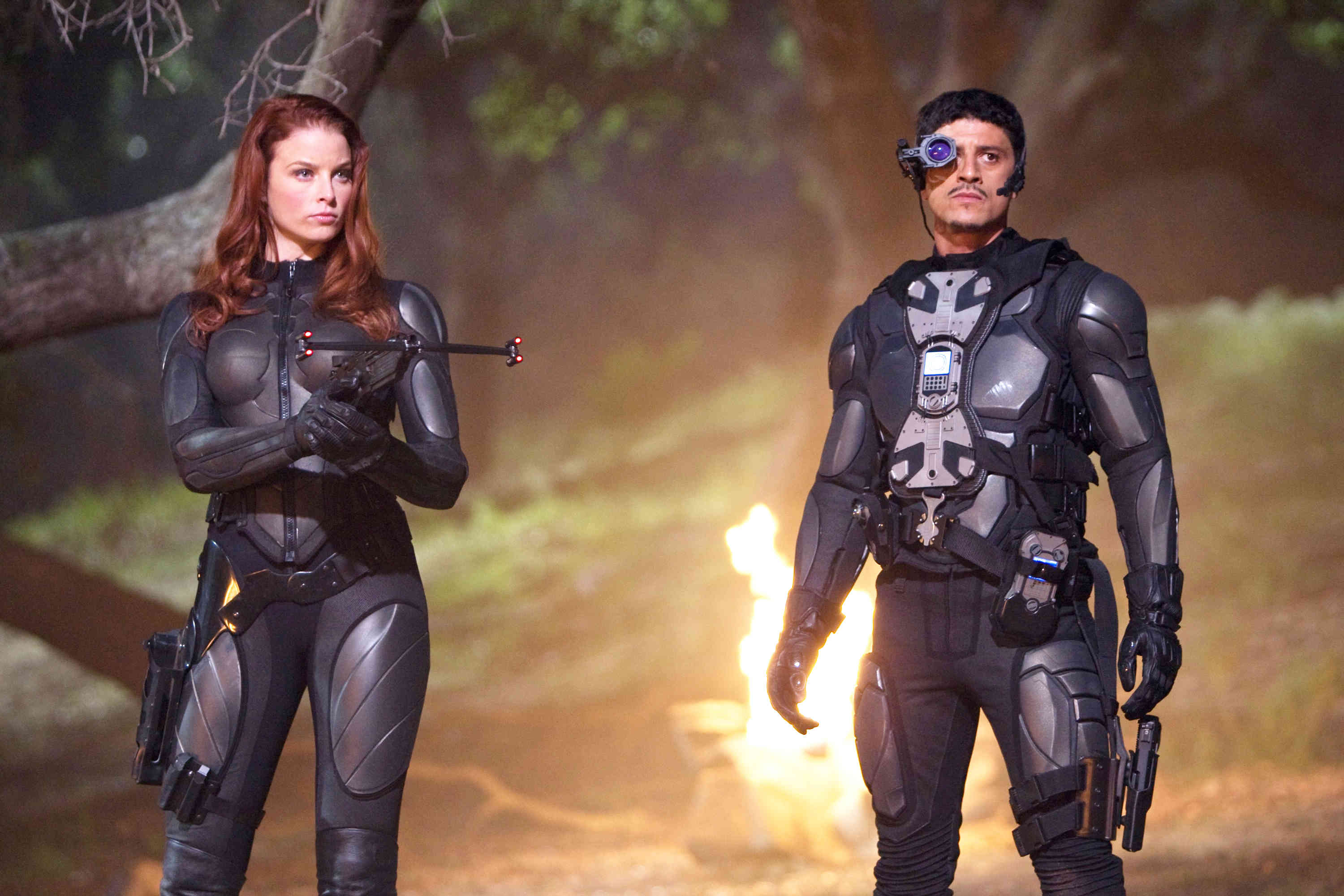
The production was plagued by a frantic schedule and a script that felt like it was being stitched together on the fly. Sommers is known for his "more is more" approach, and it shows. There are underwater bases, accelerator suits that make people run through walls, and a plot involving "nanomites" that eat the Eiffel Tower. It’s a lot.
The Cast: A Weirdly High-End Ensemble
One thing people forget is how stacked this cast actually was.
- Channing Tatum as Duke (the reluctant lead).
- Marlon Wayans as Ripcord (the comic relief who somehow lands a jet).
- Sienna Miller as The Baroness (rocking the iconic black leather and glasses).
- Joseph Gordon-Levitt as Rex/The Doctor (who would eventually become Cobra Commander).
- Christopher Eccleston as James McCullen/Destro.
- Ray Park as Snake Eyes (the only person who didn't have to worry about the dialogue).
Eccleston later admitted he basically did it for the paycheck and didn't enjoy the experience of being covered in silver prosthetics. It’s sort of a recurring theme with this movie; the actors seem to be having a very different experience than the audience.
The CGI Problem and That Eiffel Tower Scene
If there is one thing that defines the GI Joe Rise of Cobra film in the collective memory of fans, it’s the visual effects. Or rather, the quality of them.
While some sequences like the Paris chase were genuinely exciting, other parts looked... unfinished. The "Accelerator Suits" sequence is particularly polarizing. On one hand, seeing Joes sprint at 40 miles per hour through city streets is peak toy-logic fun. On the other, the physics looked like a video game from five years prior.
Then there’s the green goop.
When the nanomite warheads are triggered and start dissolving the Eiffel Tower, the effects looked strangely murky. Critics at the time, like Peter Travers, famously compared the effects to "green slime left over from Ghostbusters." It was a $175 million movie that occasionally looked like a $50 million one.
Box Office vs. Critical Reality
So, was it a flop? Not really. But it wasn't a home run either.
The movie pulled in about $302 million worldwide. While that sounds like a win, Hollywood math is tricky. When you factor in the $175 million production budget plus at least another $100 million for global marketing, the movie barely broke even during its theatrical run.
Critics were brutal. It sits at a 33% on Rotten Tomatoes. Most reviewers felt it was too "cartoonish" and "soulless." But here’s the thing: audiences didn't hate it as much as the pros did. It earned a B+ CinemaScore, meaning the people who actually paid for tickets generally had a decent time. They knew they were buying a ticket for a live-action cartoon, and that’s exactly what they got.
Key Deviations from the Lore
If you grew up reading the Larry Hama comics or watching the Sunbow cartoon, this movie probably gave you a headache.
- The Origin Stories: Making Duke and the Baroness ex-fiancés was a massive swing that many fans hated. It turned a global conflict into a messy breakup story.
- Cobra Commander’s Face: Instead of the classic hood or chrome mask, we got a translucent life-support mask on a scarred Joseph Gordon-Levitt. It was a choice.
- Snake Eyes and Storm Shadow: Their rivalry is the best part of the movie, but the film decided to give them a shared childhood history that felt a bit "small world" for a global epic.
Why the Film Still Matters Today
Despite the flaws, GI Joe Rise of Cobra is a fascinating relic of a specific era in blockbuster filmmaking. It was the last gasp of the "silly" action movie before the Marvel Cinematic Universe made "grounded but quippy" the standard.
It also paved the way for GI Joe: Retaliation, which tried to "fix" everything by killing off most of the original cast (including Duke) and bringing in The Rock and Bruce Willis. It’s rare to see a franchise try to reboot itself while still being a direct sequel, but that’s the legacy of the 2009 film. It was so chaotic it forced the next movie to literally blow up the foundation it built.
Honestly, if you watch it today with a bowl of popcorn and zero expectations of realism, it’s a fun ride. It doesn't take itself seriously, the action is relentless, and the costume design for the Baroness and Snake Eyes is actually pretty spot-on.
What You Can Do Now
If you’re looking to revisit the Joes or dive deeper into why this franchise has struggled to find its footing on the big screen, here are a few things worth checking out:
- Watch the "Silent Interlude" episode of the original cartoon or read the comic issue (GI Joe #21). It shows how to do Snake Eyes and Storm Shadow perfectly without a $170 million budget.
- Compare it to Snake Eyes: Origins (2021). It’s wild to see how the franchise moved from "over-the-top sci-fi" to a "grounded martial arts" vibe, and yet both struggled to capture the magic of the 80s toys.
- Track down the production stories. Reading about the writer’s strike of 2007-2008 explains a lot about why the script for Rise of Cobra felt so disjointed. It was one of many films rushed into production to beat the strike deadline.
The GI Joe Rise of Cobra film might not be a masterpiece, but it’s a loud, shiny, and undeniably weird piece of cinema history that proves one thing: making a movie out of a toy line is a lot harder than it looks.