You’re standing in a sporting goods aisle or staring at a flickering government website. You just want to get out into the Cascades or the Palouse. But honestly, the paperwork for a washington state hunting license can feel like trying to track a ghost in a rainstorm. It’s dense. It’s weirdly specific. If you get it wrong, you aren't just missing a weekend in the woods; you’re looking at hefty fines or losing your gear to a WDFW officer who’s just doing their job.
Washington is a "draw" state for a lot of the good stuff, but the foundation is always that base license. You can't just walk into a Walmart five minutes before sunrise and expect to be legal for everything. There are residency requirements that trip people up, hunter education hurdles that take longer than you think, and a tagging system that is—frankly—a bit of a headache for the uninitiated. If you enjoyed this article, you might want to read: this related article.
The Residency Trap and Your Washington State Hunting License
Let’s get the biggest hurdle out of the way first. You aren't a resident just because you have a lease in Seattle or Spokane. To qualify for resident pricing on a washington state hunting license, you must have maintained a permanent place of abode within the state for at least 90 days immediately preceding your application. You also have to show the intent to remain a resident. If you hold a driver’s license in another state, the Washington Department of Fish and Wildlife (WDFW) generally considers you a non-resident. It sucks because the price jump for non-residents is steep. We’re talking the difference between a double-digit fee and a mid-triple-digit investment for some species.
Don't try to game this. The WILD system (Washington Interactive Licensing Database) links up with other state databases. If you’ve got an active resident license in Idaho or Oregon, it’s going to flag. For another look on this development, refer to the latest update from The Spruce.
Hunter Ed Isn't Just for Kids
If you were born after January 1, 1972, you have to show proof of a hunter education course. This isn't optional. It doesn't matter if you've been shooting since you were five. If you’re new to the state and have a certificate from elsewhere, Washington usually recognizes it, but you have to get that data into their system before you can buy anything online.
For the procrastinators, there is a "once-in-a-lifetime" hunter education deferral. It’s basically a hall pass. You can hunt for one season without the course, but you have to be accompanied by an experienced hunter who has held a Washington license for the previous three years. It’s a decent workaround if you’re trying to get a friend into the sport last minute, but you can only do it once. Ever.
Picking Your Poison: Big Game vs. Small Game
The WDFW doesn't make it simple with a one-size-fits-all "hunting license." You have to choose your adventure.
- Big Game: This covers deer, elk, bear, and cougar. You can buy these in packages. The "Big Game Package" usually includes the basics, but you have to specify your transport tag—like whether you’re shooting a modern firearm, archery, or muzzleloader. You’re locked into that choice for the season unless you pay for a tag exchange before the season starts.
- Small Game: This is for your upland birds, turkeys, and rabbits. If you already bought a big game license, the small game add-on is significantly cheaper.
- Migratory Birds: You need the basic license plus a federal duck stamp and a state migratory bird permit.
People often forget the "Discover Pass." If you’re parking on WDFW-managed lands, you need that pass on your dashboard. Often, a vehicle access pass comes "free" with your hunting license, but it only works for WDFW lands, not State Parks or DNR land. It’s a messy Venn diagram of bureaucracy.
The Mystery of Special Permits
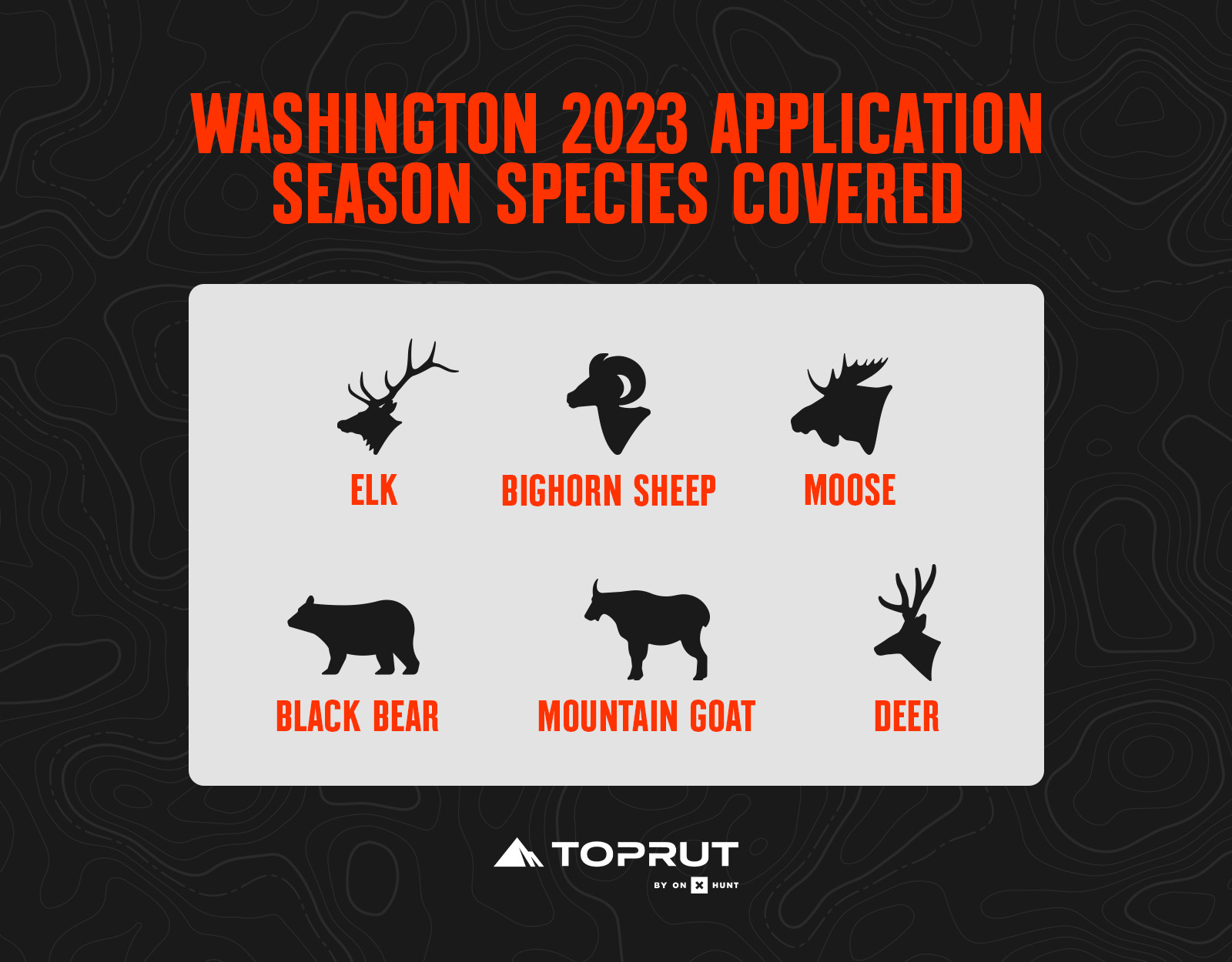
Getting your washington state hunting license is just the entry fee. If you want to hunt "the big ones"—Moose, Mountain Goat, or Bighorn Sheep—you are entering a lottery. These are "once-in-a-lifetime" or "trophy" tags. You buy "points." Every year you don't get drawn, you get an extra point, theoretically increasing your odds for next year.
Some people spend twenty years and thousands of dollars chasing a blue-chip tag like a Wenaha elk or a Selkirk moose. It’s basically gambling for people who like camouflage.
Why Timing Actually Matters
The "Season" doesn't start in October. For the serious hunter, it starts in April. That’s when the special permit applications open. If you miss the June deadline for the draw, you’re stuck with general season over-the-counter tags. General season is fine, but it’s crowded. You’ll be sharing the woods with every other guy who waited until the last minute.
Real Talk on Costs and Tech
Let’s be real: the WDFW website feels like it was designed in 2004. It works, but it isn't "slick." When you buy your washington state hunting license online, they will mail you your tags. Do not wait until Thursday night for a Friday morning trip. Physical tags must be in your possession. You cannot just show a PDF on your phone for a harvested elk. You have to physically notch that paper and secure it to the animal.
If you’re in a rush, head to a physical dealer. Most Fred Meyer stores, local hardware shops, and dedicated outdoor retailers have a terminal. They print the tags on that weird, waterproof yellow thermal paper right there.
The Hidden Fees
There’s a transaction fee. There’s a dealer fee. There’s a habitat surcharge. The price you see on the main table isn't the price you pay at the "checkout." Budget an extra 10-15% for the administrative bloat. It’s annoying, but that money—legally—has to go toward conservation and enforcement.
The Cougar and Bear Dilemma
Washington is a bit unique with its predator rules. Your big game license often includes a cougar tag. However, you have to report your harvest, and there are strict rules about "checking" the pelt. Also, for bear hunting, you actually have to pass a bear identification test if you’re hunting in certain areas (like the North Cascades or Blue Mountains) to ensure you don't accidentally smoke a Grizzly. Grizzlies are protected; black bears are fair game. The test is online, it’s free, and it stays on your record once you pass it.
Common Mistakes That Lead to Tickets
- Wrong Weapon: Hunting during "Modern Firearm" season with a bow is usually okay, but hunting during "Archery" season with a 30-06 will land you in jail.
- Tagging Violations: Not notching the date of the kill immediately. "Immediately" means before you even start taking photos.
- Boundary Creep: Washington has "Game Management Units" (GMUs). The rules change from one side of the road to the other. One side might be "3-point minimum" for elk, while the other is "Any Bull." If you don't know exactly which GMU you’re standing in, keep your safety on.
How to Stay Legal Without a Law Degree
Download the "Hunt Washington" app. It’s actually decent. It uses your phone's GPS to tell you exactly which GMU you are in and what the specific rules are for that patch of dirt. It’s the best way to make sure your washington state hunting license stays valid and you don't end up with a "Gross Misdemeanor" on your record.
Actionable Steps for Your Next Season
First, log into the WDFW WILD system right now. Don't wait. Check if your Hunter Ed is on file. If it isn't, you’ll need to upload a scan of your card and wait for a human in Olympia to approve it. That can take a week.
Second, decide if you're going for the "Multi-Season" tag. The application for this is usually in December or January. It’s a small fee for a chance to hunt archery, muzzleloader, AND modern firearm seasons. It’s the holy grail for people with flexible schedules.
Third, buy your base license and tags before the "early bird" rushes. For example, if you want to hunt turkey in the spring, get that license in March.
Finally, keep a physical copy of the "Big Game Hunting Seasons & Regulations" pamphlet in your truck. Batteries die, and cell service in the Okanogan is non-existent. That paper booklet is your bible. It contains the legal definitions of "visible antler" and the exact closing times for shooting hours, which change by a few minutes every single day.
Getting your paperwork in order is the least fun part of hunting, but it’s the only part that keeps the game warden from taking your truck. Do it early, do it accurately, and keep your tags dry. Regardless of the cost, the first time you’re sitting in the woods as the sun hits the evergreens, you’ll realize the bureaucratic hassle was worth it.