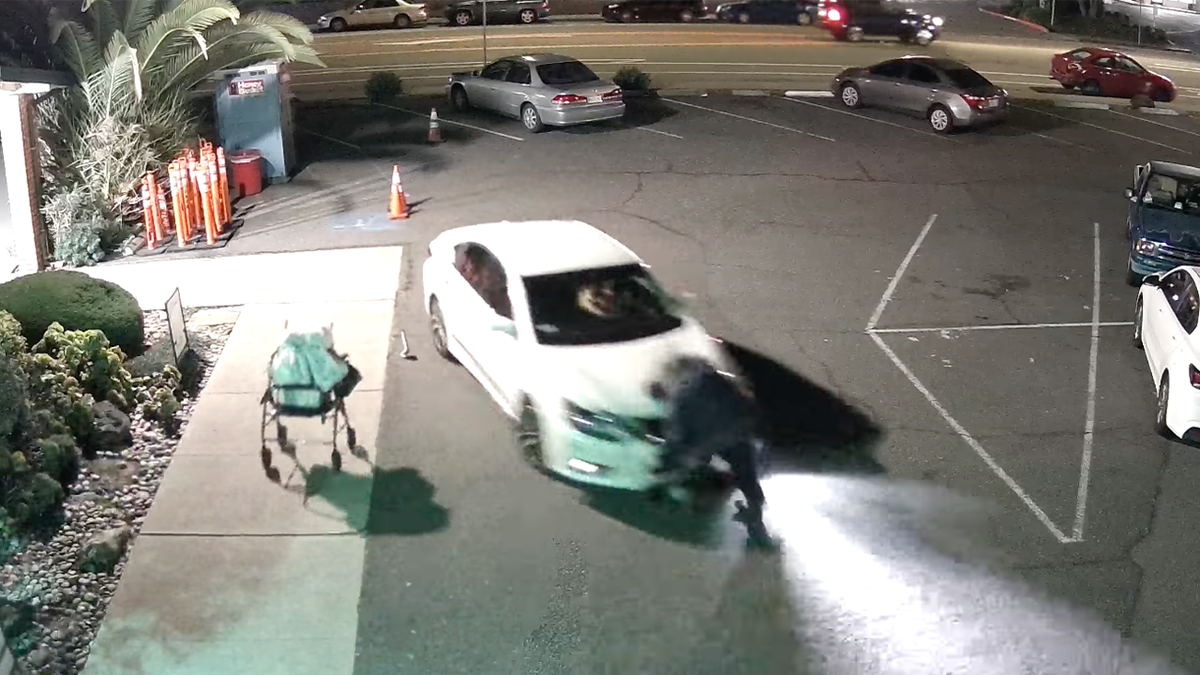
It happens in a heartbeat. You’re unloading groceries, or maybe you’re stepping out of a rideshare, and suddenly there’s this sickening crunch followed by a pressure so heavy it feels like the world just collapsed onto your toes. Getting your foot ran over by car is one of those freak accidents that feels like it should happen in a cartoon, yet it’s a remarkably common reason for ER visits.
The pain isn't always immediate. Sometimes the adrenaline hits so hard you just stand there staring at your shoe, wondering if you actually felt what you think you felt. Then the throbbing starts.
People usually assume that if a 4,000-pound SUV rolls over their foot, every bone must be dust. Surprisingly, that's not always the case. The human foot is a mechanical masterpiece of 26 bones, 33 joints, and over a hundred muscles and tendons. It’s built to absorb shock, and sometimes—if you’re lucky—the rubber of the tire and the give of the ground work together to save you from a permanent limp. But luck is a fickle thing in trauma medicine.
Why "Walking it Off" is a Terrible Idea
I’ve seen people try to limp into their house after a low-speed roll-over because "it doesn't look that bruised." That’s a mistake. A massive one.
When a vehicle passes over your foot, you aren't just dealing with the weight; you're dealing with crush syndrome and sheer force. Even if the bones don't snap like dry twigs, the soft tissue—the skin, nerves, and blood vessels—gets smashed against the pavement. This can lead to something called compartment syndrome. This is a surgical emergency where the pressure inside your muscles builds to dangerous levels, cutting off blood flow. If it isn't caught, you're looking at tissue death. No joke.
The Physics of the Roll-Over
Think about the surface you were standing on. If you were on soft grass or mud, your foot might have been pushed into the ground, absorbing some of the impact. If you were on concrete? There’s nowhere for that energy to go but into your metatarsals.
A standard mid-sized sedan weighs roughly 3,300 pounds. Divide that by four tires, and you have roughly 825 pounds of localized pressure rolling across your midfoot. If the driver braked while on top of you, that friction adds a "degloving" risk, where the skin is literally peeled away from the underlying tissue. It’s as gruesome as it sounds.
The Subtle Signs of Major Damage
Most people look for blood or a crooked toe. While those are obvious, the real killers are the subtle signs.
- Paresthesia: That’s the medical term for "pins and needles." If your toes feel tingly or numb, it means a nerve is compressed or damaged.
- Capillary Refill: Press down on your toenail until it turns white. Let go. If it takes more than two seconds to turn pink again, your blood flow is compromised.
- The "Deep" Ache: If the pain feels like it's coming from the center of your soul rather than just the skin, you likely have a bone bruise or a stress fracture.
Dr. Mark Myerson, a renowned orthopedic surgeon specializing in foot and ankle reconstruction, has often noted that midfoot injuries (like the Lisfranc joint complex) are frequently missed in initial X-rays. A car tire is the perfect tool for wreaking havoc on the Lisfranc ligament. If that ligament tears, the bones in your midfoot shift. If they aren't reset perfectly, you’ll have arthritis before you’re 40. Honestly, it's one of the most frustrating injuries to recover from because you use it for every single step you take.
What the Hospital is Actually Looking For
When you get to the ER, they’re going to run a standard protocol. First, they’ll check for "tented" skin—this is where a broken bone is poking at the skin from the inside. If they see that, you're headed for surgery immediately to prevent an open fracture.
X-rays are the baseline, but they're kind of limited. They only show bones. They don't show the shredded ligaments or the hematoma (a massive deep-tissue bruise) that’s currently drowning your nerves. If the doctor is concerned about the "crush" aspect, they might order a CT scan or an MRI.
The Dreaded "Road Rash" and Infection
If the tire actually made contact with your skin, you’ve got dirt, grease, and God-knows-what-else ground into your pores. This isn't a normal scrape. Car tires are filthy. Infections from a foot ran over by car can turn nasty fast because the blood supply to the top of the foot is relatively poor compared to your face or scalp.
You’ll likely get a tetanus shot if you aren't up to date. Don't argue with them. Tetanus is a nightmare you don't want.
Dealing With the "Afterward"
Let's say nothing is broken. You got lucky. You’re still going to be off your feet for a while.
The standard RICE (Rest, Ice, Compression, Elevation) method is your new best friend, but with a twist. Elevation doesn't mean putting your foot on a coffee table. It means getting your foot above your heart. You need gravity to pull that fluid out of your ankle and back toward your core.
Managing the Swelling
Expect your foot to look like a purple balloon for at least a week. The discoloration is actually a good sign—it means your body is processing the old blood from the bruising. But if the swelling starts to travel up your calf, or if you feel a "hot spot" in your leg, get back to the doctor. Deep Vein Thrombosis (DVT) is a risk whenever you're immobilized after a leg injury. A blood clot is the last thing you need after surviving a car run-over.
Real-World Recovery Timelines
Recovery isn't a straight line. It’s more like a jagged EKG graph.
- Days 1-3: Pure inflammation. You’ll probably need crutches. Even if you can put weight on it, don't. You're just irritating the soft tissue.
- Week 2: The "itchy" phase. As nerves heal and swelling goes down, your foot will feel weird. This is usually when you can start "touch-down" weight-bearing.
- Month 1: If you had a fracture, this is the halfway point for bone knitting. If it was just soft tissue, you’re likely back in sneakers, but you’ll get tired fast.
- Month 6: This is when you realize if you have permanent changes. Some people find they need a half-size larger shoe because the foot "spreads" slightly after a crush injury.
Actionable Steps for the Next 48 Hours
If your foot was just ran over, or if you’re sitting in the waiting room right now, here is exactly what needs to happen to ensure you don't end up with long-term disability.
1. Secure the Evidence and Information If this happened in a parking lot or a public street, get the driver's info. Even if you feel "fine" now, soft tissue injuries often peak in pain 24 to 48 hours later. You might need to file an insurance claim for physical therapy or an MRI down the road. Take photos of your foot immediately and every 12 hours after. The progression of bruising is a huge diagnostic clue for doctors.
2. The 15-Minute Elevation Rule For the first two days, elevate your foot above your heart level for 15 minutes out of every hour you are awake. Use three or four pillows. This isn't just for comfort; it's to prevent the skin from blistering due to extreme swelling.
3. Monitor Your "Nerves" Take a pen and lightly poke the tips of your toes. Compare the feeling to your uninjured foot. If there is a "dead" spot where you can't feel the pen, or if the sensation is delayed, you need a neurological consult. Nerve entrapment from a crush injury can become permanent if the pressure isn't relieved.
4. Footwear Choice Once you are cleared to walk, do not wear flip-flops or flimsy flats. You need a stiff-soled shoe—think a hiking boot or a high-quality running shoe—to act as an external skeleton for your foot while the internal ligaments tighten back up.
5. Wound Care If the skin was broken, keep it covered with a thin layer of antibiotic ointment and a non-stick bandage. Change it twice a day. Watch for "streaking"—red lines moving up your ankle. That is a sign of lymphangitis (infection spreading through the lymph system) and requires immediate antibiotics.
Getting your foot ran over by car is a traumatic event that your body won't forget quickly. Be patient with the healing process. Bones heal in weeks, but the complex "wiring" of the foot can take months to feel normal again. If the pain persists beyond three weeks of rest, insist on a weight-bearing X-ray or an MRI to check for those "hidden" Lisfranc injuries that standard scans often miss.