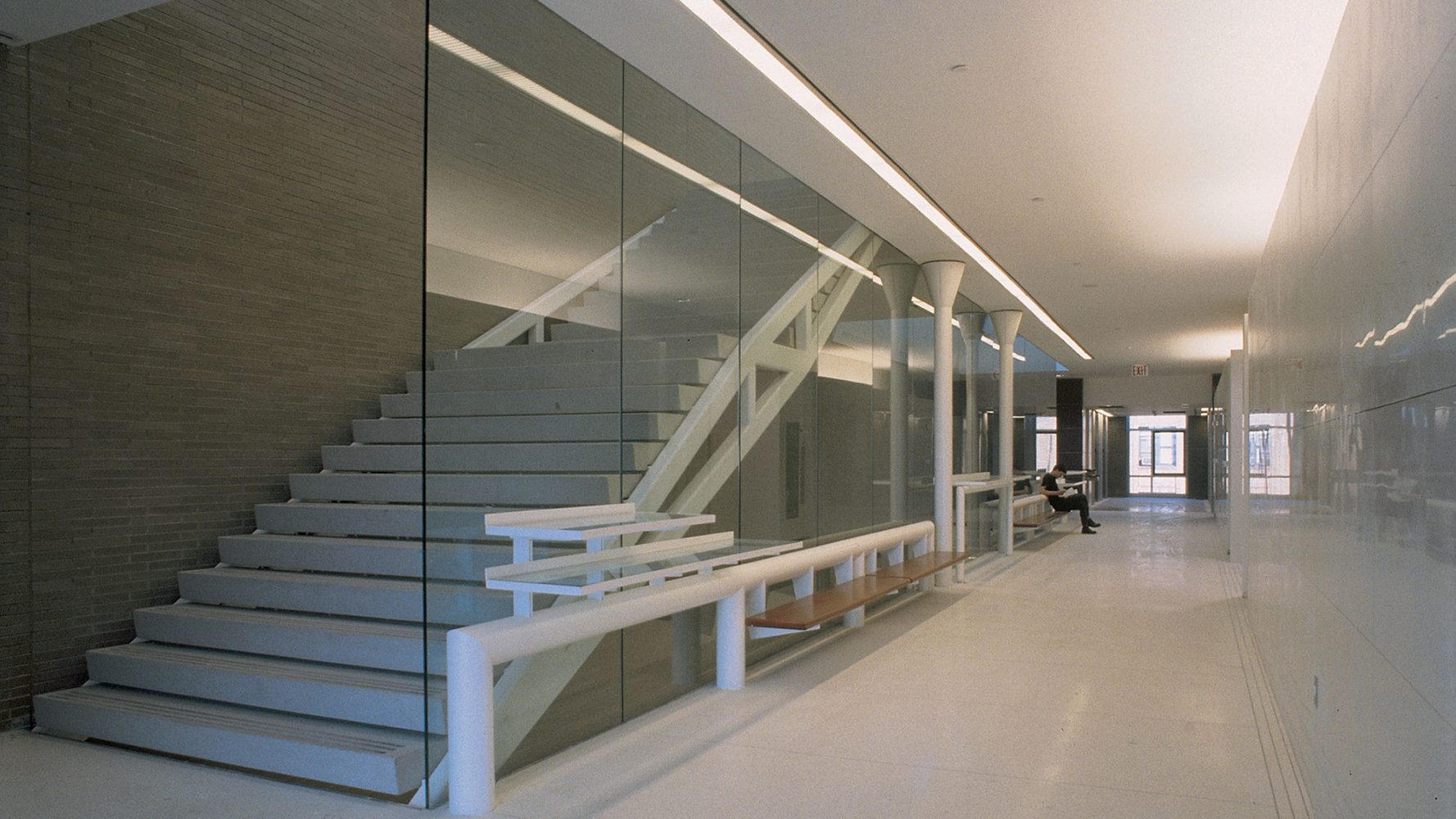
Walking into 1118 Grand Concourse is an experience. It's loud. It’s crowded. Honestly, it’s a lot to take in if you’re already stressed about your living situation. If you’ve got a date at the nyc housing court bronx, you probably aren't having a great week. Maybe you’re a tenant who fell behind because of a medical emergency, or maybe you’re a small landlord who hasn't seen a rent check in eight months and can’t pay the property taxes.
It’s a grind. If you enjoyed this article, you might want to look at: this related article.
Most people think they’ll walk in, talk to a judge for five minutes, and everything will be settled. That’s just not how it works. You’re going to wait. Then you’ll wait some more. You’ll sit in a plastic chair in a room that smells like wet umbrellas and floor wax while lawyers in cheap suits whisper in the hallways.
The Bronx is unique. It’s the busiest housing court in the city. The sheer volume of cases is staggering. According to recent data from the New York State Unified Court System, the Bronx consistently sees thousands of filings every single month, often outpacing Manhattan or Brooklyn in terms of sheer intensity. This isn't just a legal venue; it’s the front line of the city’s housing crisis. For another look on this story, see the recent coverage from BBC News.
The First Floor Chaos and Why It Matters
When you first enter 1118 Grand Concourse, you have to go through security. It’s basically like the airport but with more tension. Once you’re through, your first stop is usually the Clerk’s Office or the Help Center.
The Help Center is a lifesaver.
If you don't have a lawyer, go there. They can’t give you "legal advice" in the sense of telling you exactly how to win, but they explain the mechanics. They tell you which forms to fill out and where to go. It’s staffed by people who have seen every possible scenario a hundred times over. Don't be "that person" who tries to wing it without checking in.
Non-Payment vs. Holdover: Know Your Case
You’re either there for a non-payment case or a holdover case. There’s a big difference.
A non-payment case is exactly what it sounds like. The landlord says you owe money. You say you don't, or you have a reason why you haven't paid—like a broken boiler or a ceiling that’s currently decorating your living room floor. In the nyc housing court bronx, the "Warranty of Habitability" is a major player. This is a law that basically says a landlord must keep the apartment livable. If they don't, you might be entitled to a rent abatement.
- You show pictures of the mold.
- The judge looks at the inspection reports from HPD (Housing Preservation and Development).
- Sometimes, the rent is reduced.
But holdovers? Those are trickier. A holdover is when the landlord wants you out for a reason other than just rent. Maybe the lease expired. Maybe they claim you’re being too loud or have an unauthorized pet. These cases are more technical and, frankly, much harder to navigate without professional help.
Universal Access to Counsel: A Bronx Reality
New York City was the first in the nation to implement a "Right to Counsel" law. This is huge. If you’re a low-income tenant in the Bronx, you are likely eligible for a free lawyer.
Don't ignore this.
Before this law, landlords almost always had attorneys and tenants almost never did. It was a total mismatch. Now, the playing field is a bit more level. When you arrive at your hearing, look for the representatives from groups like The Legal Aid Society or Bronx Legal Services. They are usually stationed right there in the building. They know the judges. They know the law. Most importantly, they know how to negotiate a "Stipulation of Settlement."
The "Stip" – Where the Real Work Happens
Hardly anyone actually goes to trial. Most cases end in a "Stipulation of Settlement," or a "stip."
This is a written agreement between the landlord and the tenant. You’ll see people huddled in the hallways or in the back of the courtroom scribbling on carbon-copy forms. It feels informal, but it is a legally binding contract. If you sign a stip saying you’ll pay $3,000 by next Friday and you don't, you’ve basically handed the landlord an eviction warrant.
Never sign a stip you can’t fulfill. Ever.
The court attorneys—lawyers who work for the judge—often help facilitate these discussions. They are there to make sure the agreement is somewhat fair, but they aren't your lawyer. They just want the case resolved. If you feel pressured, tell the judge.
The Judge's Role and the Reality of 1118 Grand Concourse
The judges in the nyc housing court bronx are some of the hardest working in the state. They hear dozens of cases a day. They’ve heard every excuse in the book. If you’re going to speak to the judge, be brief. Be honest.
- Bring your evidence.
- Have your receipts in order.
- Don't get emotional or start shouting.
The judge isn't there to solve your life problems; they are there to apply the law to the facts. If the fact is that you haven't paid rent in six months and the landlord has done all the repairs, the judge’s hands are mostly tied. However, if you show that you’ve applied for "One-Shot Deal" emergency assistance from HRA (Human Resources Administration), the judge might give you more time.
Time is the currency of housing court.
Common Misconceptions That Get People Evicted
One of the biggest mistakes people make is thinking they can just stop paying rent because something is broken.
Do not do this.
Legally, you are supposed to put that money aside in an escrow account. If you show up to court and say, "I didn't pay because of the leaks," the first thing the judge or the landlord's lawyer will ask is, "Do you have the money now?" If the answer is no, your defense just lost a lot of its teeth.
Another myth? That the court will "fix everything." The court can order repairs, but they don't have a magic wand. You might have to come back five times for "compliance hearings" before the landlord actually sends a plumber who knows what they’re doing.
The Logistics: Getting There and Staying Sane
The court is located at 1118 Grand Concourse, near 166th Street. If you’re taking the subway, the 4, B, and D lines are your best bet. Give yourself an extra 45 minutes. Between the MTA being the MTA and the security line at the front door, you’ll need it.
The building is old. It’s loud. It’s often hot in the summer and drafty in the winter. Bring a bottle of water and a snack. You might be there from 9:00 AM until 4:30 PM just to have a two-minute conversation with a court clerk.
Navigating the HRA "One-Shot Deal"
In many non-payment cases, the solution involves the Human Resources Administration. This is the "One-Shot Deal." It’s an emergency grant to cover rent arrears.
The process is a bureaucratic nightmare.
You apply, you get an interview, they ask for fifty different documents, and then you wait. The nyc housing court bronx will often adjourn a case (put it off to a later date) to give HRA time to process an application. If you’re a tenant, getting that HRA "filing receipt" is the most important piece of paper you can own. It proves you’re trying.
Small Landlords Have It Tough Too
It’s easy to paint every landlord as a faceless corporation, but in the Bronx, many are "mom and pop" owners. They own a three-family house. They live on the first floor. If the tenant on the third floor doesn't pay for a year, the landlord can’t pay the mortgage.
The system is slow for them, too.
Small landlords often feel the court is biased toward tenants. They have to pay for an attorney, pay for filing fees, and wait months for a "Notice to Quit" to even get a court date. By the time they get in front of a judge, they might be in foreclosure themselves. The Bronx court tries to balance these interests, but "justice" in housing is often just a series of compromises that leave everyone slightly unhappy.
What To Do If You Get a Marshal’s Notice
If you see a notice from a New York City Marshal tacked to your door, the situation just got real. This is the final step before an actual eviction.
Don't pack your bags and give up yet.
You need to go back to 1118 Grand Concourse immediately and file an "Order to Show Cause." This is a request for the judge to stop the eviction and hear the case again. Maybe you have the money now. Maybe you never got the original court papers (that’s called "sewer service," and it’s a big deal). A judge can stay (pause) the eviction if you have a good enough reason.
Actionable Steps for Your Day in Court
If you have a date at the nyc housing court bronx, follow this checklist to avoid the most common pitfalls:
- Arrive early. Security lines peak at 9:15 AM. If you’re late, the judge might call your case and issue a "default judgment" against you.
- Bring your entire "paper trail." This includes your lease, any letters from the landlord, printouts of text messages about repairs, and every single rent receipt or cancelled check you have.
- Check the calendars. There are monitors in the lobby and outside each courtroom. Find your name and your "calendar number."
- Speak to the Help Center. Even if you think you know what you’re doing, just double-check.
- Ask for an interpreter. If English isn't your first language, you have a right to an interpreter. Use it. Legal terminology is hard enough in your native tongue.
- Take notes. When you’re talking to the landlord's lawyer or a court attorney, write down what they say. Memory is a fickle thing in a high-stress environment.
- Dress respectfully. You don't need a tuxedo, but looking like you take the proceedings seriously goes a long way with the judges.
The Bronx housing court isn't a place anyone wants to be, but it is a place where you can protect your rights if you stay organized. Whether you are fighting to keep your home or trying to protect your property investment, the key is persistence. It is a marathon, not a sprint. If you walk in expecting a quick fix, you’ll be disappointed. If you walk in prepared for a long day of negotiation and procedure, you’ve already won half the battle.
Keep your documents organized in a folder. Don't lose your temper. And most importantly, if you qualify for legal aid, take it. The law is too complex to navigate solo when your roof is on the line.