You're sitting in a cafe in Milan, espresso in hand, thinking about dinner in Lyon. It sounds romantic. It sounds like something out of a 1950s movie. But honestly, taking a train to France from Italy in 2026 is a bit of a mixed bag right now. It's not always the seamless "hop on and go" experience people imagine. Landslides, track maintenance, and competing rail companies have turned what used to be a simple journey into something you actually have to plan.
Don't get me wrong. I love it. If you liked this article, you should look at: this related article.
The view of the Alps out the window of a Frecciarossa beats a budget airline middle seat every single time. But if you just show up at Torino Porta Nuova expecting a breeze, you might be disappointed. Rail travel in Europe is undergoing a massive shift. You've got high-speed giants like Trenitalia and SNCF duking it out for passengers, while local regional lines offer a slower, grittier, and often more beautiful alternative.
The big disruption nobody mentions
Let's address the elephant in the room first. If you’re looking for the direct high-speed line between Milan and Paris, things are complicated. A massive rockfall in the Maurienne Valley back in 2023 really messed things up for the direct TGV and Frecciarossa services. For a long time, that direct link was severed. For another look on this event, refer to the latest update from National Geographic Travel.
While work is constantly ongoing to fully restore the line, many travelers are still being diverted. You might find yourself taking a bus for part of the journey near the border, or taking the long way around through Switzerland. It's annoying. It's slow. But if you know it’s coming, you can prepare. Always check the SNCF Connect or Trenitalia apps for the "Bus Substitution" tag. If you see it, your six-hour trip just became nine.
Routes that actually work right now
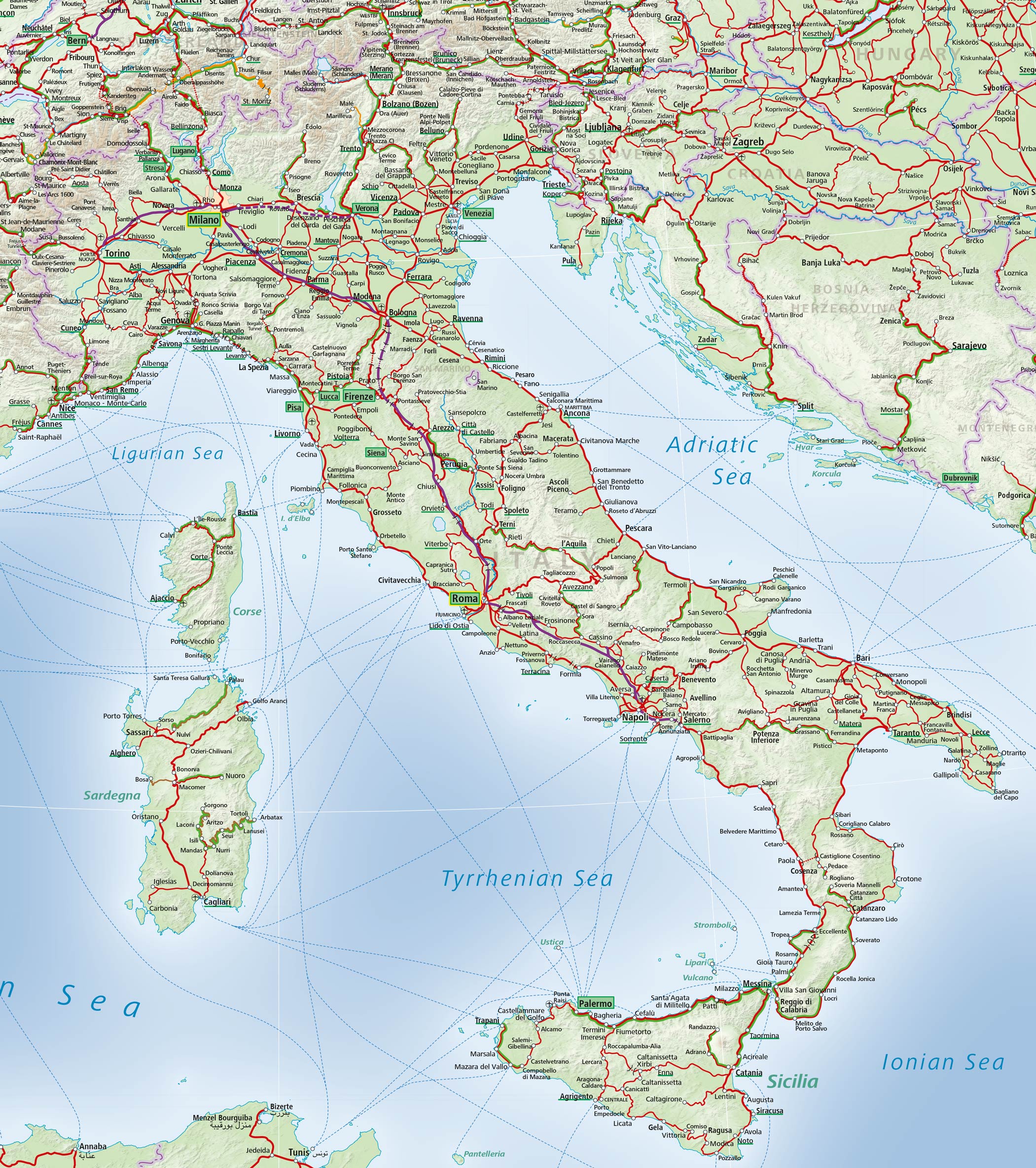
If you want to avoid the mountain drama, the coastal route is your best friend. This is the Ventimiglia crossing. You take a regional train from Genoa or Milan to Ventimiglia, walk across the platform, and hop on a French TER train to Nice, Cannes, or Marseille.
It’s local. It’s cheap.
The windows are usually a bit smudged, and there's no fancy dining car. But the view? You’re literally hugging the Mediterranean coast. You see the water turn from the deep Italian blue to that specific French Riviera turquoise. It’s stunning. Plus, you don't really need to book these regional trains months in advance. You can just buy a ticket at the kiosk and go.
The Swiss detour
Sometimes the fastest way to get a train to France from Italy is to leave Italy and France entirely for a few hours. Heading north from Milan toward Brig or Geneva in Switzerland puts you on some of the most reliable tracks in the world. From Geneva, the TGV Lyria shoots you straight into Paris Gare de Lyon in about three hours.
Yes, it’s more expensive. Swiss rail prices are no joke. But the efficiency is unmatched. You trade the coastal views for jagged peaks and glacial lakes. It’s a solid backup plan if the direct Fréjus Tunnel route is acting up or sold out.
Comparing the heavy hitters: Trenitalia vs. SNCF
This is where it gets interesting for the gearheads and the budget-conscious. For a long time, the French state-owned SNCF had a monopoly on this. Then the Italians brought the Frecciarossa 1000 to French tracks.
The Frecciarossa (the "Red Arrow") is widely considered one of the best trains in Europe. The Executive class has rotatable leather chairs and a proper meal service. Even Standard is pretty plush. On the other hand, the French TGV INOUI is a classic. It’s a double-decker (Duplex), which is cool if you get an upper-deck seat for the views, but the interiors can feel a bit tighter than the Italian sets.
- Booking Tip: Use Trainline or Omio to see both companies side-by-side. Sometimes Trenitalia is half the price of SNCF for the exact same route, or vice-versa.
- Luggage: Neither company is as strict as Ryanair, but SNCF has started introducing some baggage limits on their "Ouigo" low-cost lines. Keep an eye on that.
- WiFi: It’s hit or miss. Even in 2026, those tunnels through the Alps are black holes for signal. Don't plan a Zoom call.
The night train revival
I have to talk about the Intercity Notte. It’s not for everyone. If you’re a light sleeper, you’ll hate it. But there is something incredibly practical about falling asleep in Rome and waking up close to the French border.
The Thello night train used to be the go-to, but since it folded, the options have shifted. You’re often looking at a night train to a border town like Ventimiglia or a connection through Austria/Germany via the ÖBB Nightjet network. The Nightjet is the gold standard right now. They even have "mini-cabins" for solo travelers that look like something out of a sci-fi movie—little pods where you can actually lock the door and have some privacy.
Border checks and the Schengen reality
People forget that Italy and France are both in the Schengen Area. Usually, that means no passport control.
Usually.
But "temporary" border checks have become pretty common on the train to France from Italy. French police often board the train at Menton or Modane. They might walk through the aisles and glance at IDs. It’s rarely a long delay, but keep your passport in your pocket, not buried at the bottom of your suitcase. If you're not an EU citizen, make sure your entry stamp from whenever you landed in Europe is easy to find.
The cost of waiting too long
Rail pricing in Europe now mimics airline pricing. If you try to book a Milan to Paris seat two days before departure in July, you’re going to pay €200 or more. If you book four months out, you can get it for €29.
It’s a huge gap.
The booking windows usually open 90 to 120 days in advance. Mark your calendar. Especially if you want one of those fancy Italian Executive seats or a lower-deck TGV spot.
Real-world logistics: The "Gare" vs. "Stazione"
Don't get caught out by station names. In Milan, you want Milano Centrale. In Turin, it’s Torino Porta Susa (usually faster for France-bound trains than Porta Nuova). When you get to Paris, you’ll arrive at Gare de Lyon.
If you’re heading to the South of France, you’ll likely end up at Nice-Ville or Marseille Saint-Charles. These stations are all well-connected to the Metro, but they are big. Give yourself at least 20 minutes to find your platform. The French "Voie" (platform) might not be announced until 15 minutes before the train leaves, which leads to a frantic stampede of travelers that is honestly a bit of a local tradition.
Why the bus is actually a valid backup
I know, we’re talking about trains. But sometimes the rail network fails. A strike happens—and let’s be real, French and Italian rail workers love a good strike—or the tracks need emergency work.
FlixBus and BlaBlaCar Bus run the Milan-Turin-Lyon-Paris corridor constantly. It’s not as comfortable. It takes forever. But it’s reliable and dirt cheap. If you find the train to France from Italy is sold out or the prices are astronomical because of a holiday weekend, the bus will save your skin.
Making the trip better
Bring your own food.
Seriously. The cafe cars are okay, but a focaccia from a bakery near Milano Centrale is always going to be better than a plastic-wrapped sandwich on the train. Also, download your maps and entertainment beforehand. The Alps are beautiful, but they destroy cellular data.
If you're traveling with kids, the TGV Duplex has "Espace Famille" areas which are a lifesaver. More room, closer to the bathrooms, and less glares from business travelers when the toddler decides to have a meltdown.
Actionable steps for your journey
Start by checking the Trenitalia website specifically for the "Frecciarossa France" section. They often have deals that don't show up on the main French sites.
Next, verify the status of the Fréjus Tunnel. If there is a "bus bridge" in place, decide if you're okay with the extra three hours or if you'd rather fly or take the coastal route through Ventimiglia.
Book your tickets exactly 90 days out if you want the "Smart" or "Essential" fares. If you're doing the coastal route, don't stress—just buy the regional tickets on the day at the station.
Finally, check for strikes. Use a site like C'est la Grève for French updates or the Ministero delle Infrastrutture e dei Trasporti site for Italian ones. A little bit of checking 48 hours before you leave can save you from being stranded at a border station with nothing but a vending machine for company.
The trip is worth the effort. There is nothing quite like the transition from the industrial plains of Lombardy to the rolling vineyards of the Rhône Valley. You just have to navigate the logistics first.