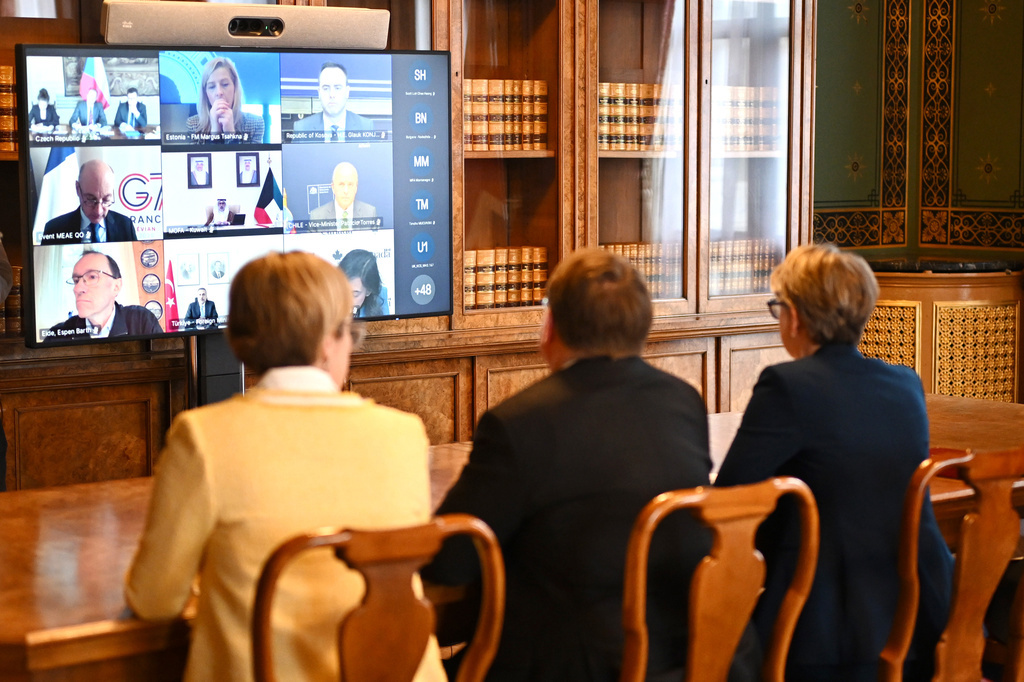
The global economy has a literal choke point. If you look at a map of the Middle East, that tiny sliver of water between Oman and Iran is the Strait of Hormuz. It's only about 21 miles wide at its narrowest. Yet, a massive chunk of the world's oil and liquefied natural gas passes through it every single day. When things get shaky there, the whole world feels the tremor at the gas pump and in the grocery store. Recently, representatives from more than 40 nations gathered to hammer out a plan to keep this waterway open. They aren't doing it out of the kindness of their hearts. They're doing it because their national interests are tied to those shipping lanes.
The sheer volume of traffic is staggering. Roughly one-fifth of the world's total oil consumption moves through the Strait. It's the only way out for petroleum from the biggest producers in the Persian Gulf. If that gate slams shut, the global energy market doesn't just stumble; it breaks. This meeting of 40-plus countries represents a massive coalition of the willing, but the politics behind it are messy. Also making headlines in related news: Finland Is Not Keeping Calm And The West Is Misreading The Silence.
The Reality of Maritime Security in the Gulf
Don't buy the idea that these meetings are just diplomatic fluff. They’re high-stakes strategy sessions. When ships get harassed or seized, insurance rates for cargo skyrocket. Those costs get passed down to you. The coalition focused on "maritime security," which is basically code for making sure tankers can sail without being hijacked or hit by a drone.
The primary concern is Iranian influence. Iran has repeatedly threatened to close the Strait of Hormuz if their own oil exports are blocked by sanctions. It's their biggest lever. They know that even a hint of a shutdown sends oil prices north. The nations meeting right now—including the U.S., European powers, and several Asian giants—are trying to build a collective shield. They want to show that any attempt to block the Strait won't just be an affront to one country, but a challenge to 40. Further information regarding the matter are covered by Al Jazeera.
History shows us why they're worried. We've seen "Tanker Wars" before. During the 1980s, Iran and Iraq targeted each other's commercial vessels. It took a massive international naval presence to keep the oil flowing. Today, the tech is different—think sea mines and suicide drones—but the goal remains the same. Control the water, control the world's energy.
Why Asia is Quietly the Biggest Stakeholder
Western media often frames this as a U.S.-versus-Iran standoff. That’s a mistake. The real players with the most to lose are in Asia. China, Japan, India, and South Korea are the primary destinations for the oil coming out of the Gulf. If the Strait of Hormuz gets blocked, Beijing and Tokyo feel the pain long before Washington does.
- China's Energy Hunger: China is the world's largest oil importer. A huge portion of their supply comes through this exact bottleneck. They can't afford a disruption.
- Japan's Dependence: Japan has almost no domestic energy resources. They rely on the Middle East for about 90% of their oil. A closed Strait is an existential threat to their economy.
- India's Growth: As India’s economy expands, its need for Persian Gulf energy grows. They’re walking a tightrope, trying to maintain ties with Iran while participating in security talks to keep the lanes open.
The presence of these nations at the table changes the dynamic. It’s no longer just a Western "police" action. It's a global necessity. When 40 nations talk, they’re discussing synchronized patrols and shared intelligence. They’re sharing satellite data to track "dark ships"—tankers that turn off their transponders to hide their location. This isn't just about big grey warships. It's about data.
The Problem with Shared Defense
Collective defense sounds great on paper. In practice, it’s a nightmare. Every country has a different appetite for risk. Some are happy to share data but won't send a single frigate. Others want to lead but don't want to pay the bill.
The legal side is even more complicated. The Strait of Hormuz falls within the territorial waters of Iran and Oman. Under the United Nations Convention on the Law of the Sea (UNCLOS), ships have the right of "transit passage." This means they can go through as long as they keep moving and don't threaten the coastal states. Iran, however, hasn't ratified every part of that treaty. They argue they have more control over who passes through than the international community likes to admit.
Practical Impacts You Should Care About
If you think this is just some distant geopolitical chess match, you’re wrong. The stability of the Strait of Hormuz dictates your cost of living.
- Gasoline Prices: This is the most obvious one. Any tension in the Strait adds a "risk premium" to the price of a barrel of oil. Even if no ships are actually hit, the fear that they might be hit drives prices up.
- Supply Chain Delays: It's not just oil. The Strait is a corridor for general cargo. If shipping companies decide the route is too dangerous, they reroute around Africa. That adds weeks to delivery times and increases fuel costs, which makes everything from electronics to sneakers more expensive.
- Global Inflation: Energy costs drive the price of everything. If it costs more to fuel a truck or a ship, it costs more to put bread on the shelf.
The 40 nations aren't just meeting to talk about "security" in the abstract. They’re trying to prevent a global inflationary spike that could trigger a recession.
The Military Muscle Behind the Talk
What does "securing the Strait" actually look like? It’s not just a few boats idling in the water. It’s a multi-layered defense system.
First, there’s minesweeping. The Strait is shallow, making it perfect for sea mines. Nations like the UK and the US keep specialized ships in the region specifically to find and neutralize these threats.
Second, there’s the aerial component. Drones are the new reality. Low-cost, "loitering munitions" can be launched from a hidden truck on a remote coastline. To counter this, the coalition is looking at integrated air defense. This means a French destroyer can talk to a Saudi radar station and a U.S. drone to intercept a threat before it hits a civilian tanker.
Third, there's the "human shield" approach. By having a massive international presence, you raise the stakes for any aggressor. If a country attacks a tanker and a ship from an international task force is nearby, they risk drawing 40 different nations into a conflict. It’s the ultimate deterrent.
What Happens Next
This meeting was a signal. It told the world—and specifically Tehran—that the Strait of Hormuz is international property in spirit, if not in strictly legal territorial terms. You can expect to see an increase in joint naval exercises. Don't be surprised if more "non-traditional" maritime powers start showing up in the Gulf.
The real test comes the next time a ship is seized. Will this coalition actually act together, or will it crumble into finger-pointing? To stay informed, watch the insurance markets. If the "war risk" premiums for ships entering the Persian Gulf start to drop, you’ll know the coalition's plan is working. If they stay high, the market doesn't believe the 40 nations can actually keep the peace.
Keep an eye on the Strait. It's the most important 21 miles of water on the planet.
.jpg)


