The flickering fluorescent light in a small apartment in Tehran doesn’t just illuminate a room. It hums with the pulse of a city of nine million people. For a nurse ending a double shift, that light is the signal that she can finally boil water for tea. For a student, it is the lifeline to a textbook. But today, that hum sounds like a countdown.
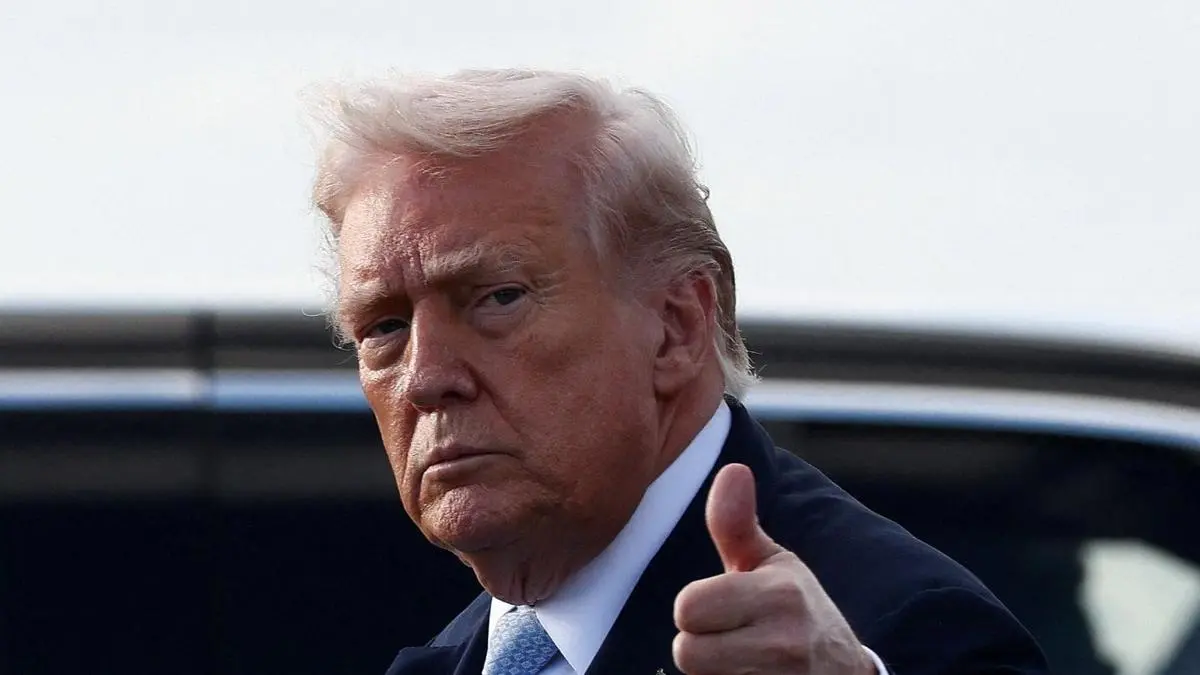
The threat didn't arrive in a sealed diplomatic envelope or a formal declaration of war. It arrived via the digital megaphone of a President who has never been known for subtlety. Donald Trump has issued a signature ultimatum: open the Strait of Hormuz in forty-eight hours, or the lights go out. Specifically, he has pointed the full might of the American military machine at Iran’s power grid.
This isn't just about geography or shipping lanes. It is about the fundamental architecture of modern survival.
The Chokehold on the World’s Artery
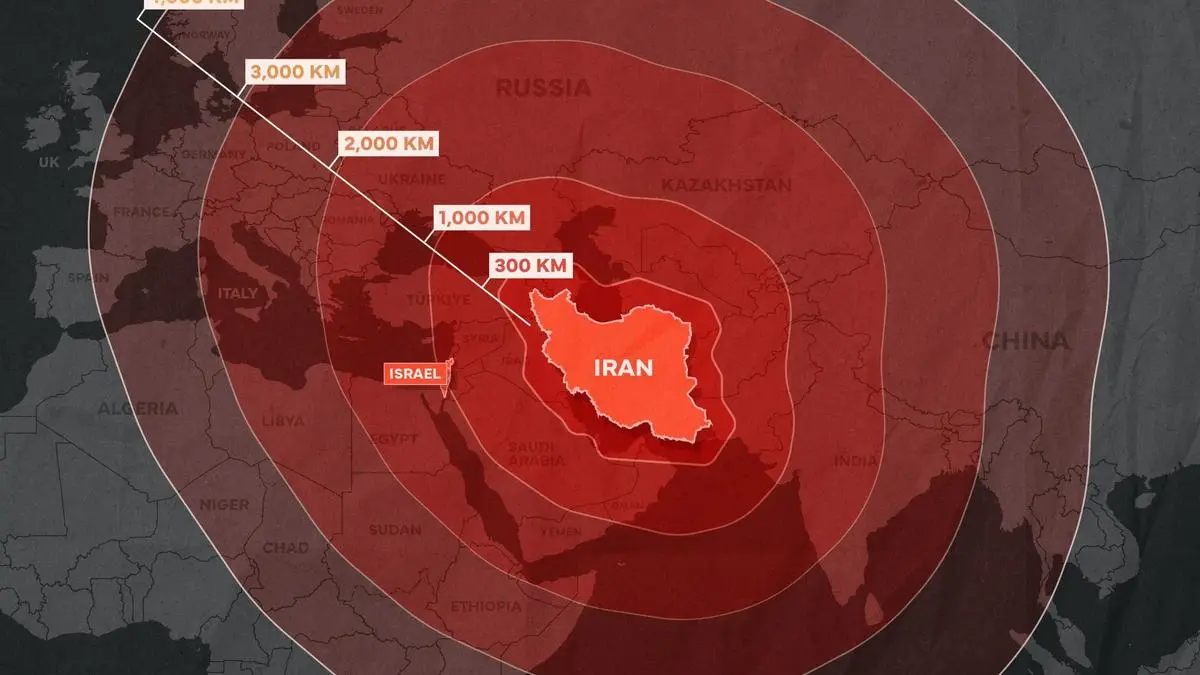
To understand why a billionaire in Washington is threatening the electricity of a family in Isfahan, you have to look at a map of the Persian Gulf. There is a tiny, hooked sliver of water known as the Strait of Hormuz. At its narrowest point, it is only twenty-one miles wide.
Imagine a straw through which the entire world drinks. Through this single, precarious passage, roughly twenty percent of the world’s total oil consumption flows every single day. If you drive a car in Berlin, if you heat a home in Tokyo, or if you buy a plastic toy in New York, you are tethered to this strip of blue water.
When Iran moves to "close" the Strait—typically through naval drills, mine-laying threats, or harassing tankers—they aren't just making a military move. They are putting a thumb on the carotid artery of the global economy. Prices spike. Markets tremble. The world holds its breath.
Trump’s response is a departure from the "proportional" shadow boxing of previous decades. Usually, if a boat is harassed, a boat is sunk. If a drone is shot down, a radar installation is targeted. This time, the stakes have shifted from the water to the wire. He isn't threatening to fight at sea; he is threatening to dismantle the infrastructure that keeps a nation functioning.
The Anatomy of a Blackout
What does it actually mean to strike a power plant? In the sterile language of a Pentagon briefing, it sounds like "degrading industrial capacity." In reality, it is a descent into the pre-modern era.
Modern power plants are cathedrals of heat and pressure. They take natural gas or oil and turn it into the kinetic energy of a spinning turbine. When a missile hits a transformer or a boiler room, the sequence of failure is instantaneous. The grid is a delicate balance of supply and demand. If one major plant goes offline unexpectedly, the surge can cascade, tripping breakers across hundreds of miles.
Consider a hypothetical hospital in Shiraz. They have diesel generators, of course. Those generators are designed to last for hours, maybe a couple of days. But in a country under a total blockade, where the Strait is closed and the sky is filled with strike aircraft, where does the next shipment of diesel come from?
The machines that keep premature babies breathing begin to slow. The refrigeration for insulin fails. The water pumps that rely on electric pressure to move liquid through city pipes go silent. A strike on a power plant is not a strike on a military target in the traditional sense; it is a strike on the very possibility of organized urban life.
The Psychology of the Ultimatum
Forty-eight hours.
It is a specific, calculated window of time. It is long enough for a government to panic, but too short for a military to fully reposition or for diplomats to fly across the world and negotiate a face-saving exit. It is a deadline designed to induce a fracture.
Trump’s strategy relies on the belief that the Iranian leadership fears its own people more than it fears American missiles. By targeting the power grid, the pressure moves from the generals to the citizens. If the air conditioning fails in the blistering heat of the Gulf summer, if the internet goes dark, if the food in the markets begins to rot, the internal pressure on the regime becomes a physical weight.
But history suggests this is a dangerous gamble. Nationalisms often harden under the heat of an external threat. A person sitting in the dark doesn't always blame the leader who provoked the strike; they often find a singular, burning hatred for the hand that pulled the trigger.
The invisible stakes here involve the "escalation ladder." If Iran blinks and opens the Strait, Trump wins a massive geopolitical victory without firing a shot. But if they don't? If they dig in? Then the President is forced to choose between backing down—losing all future credibility—or launching a campaign that could ignite a regional conflagration.
The Sound of a Silent Grid
There is a particular kind of silence that happens when a city loses power. The white noise of the world—the refrigerators, the hum of the streetlights, the distant buzz of machinery—simply vanishes.
If the deadline passes and the strikes commence, that silence will settle over Iran. It will be followed by the roar of jet engines and the thud of impact, but the silence of the grid is what will linger. This is the "broken glass" theory of warfare. You break the things that make life livable until the cost of resistance exceeds the cost of surrender.
The Strait of Hormuz remains a graveyard of ships and a theater of high-stakes poker. For decades, the game was played with tankers and mines. Now, the game has moved to the light switch.
As the clock ticks toward the end of those forty-eight hours, the world is watching the water. But the people living under the glow of those Iranian streetlights are watching the bulbs, wondering if this is the last night they will see the light before the long, manufactured dark.
A father in Tehran tucks his daughter into bed, glancing at the lamp on the nightstand. He knows nothing of shipping tonnages or maritime law. He only knows that in two days, the simple act of reading her a bedtime story might require a candle and a prayer that the sky stays quiet.
The hum of the electricity continues for now, steady and indifferent, as the seconds bleed away toward a deadline that no one is sure how to stop.